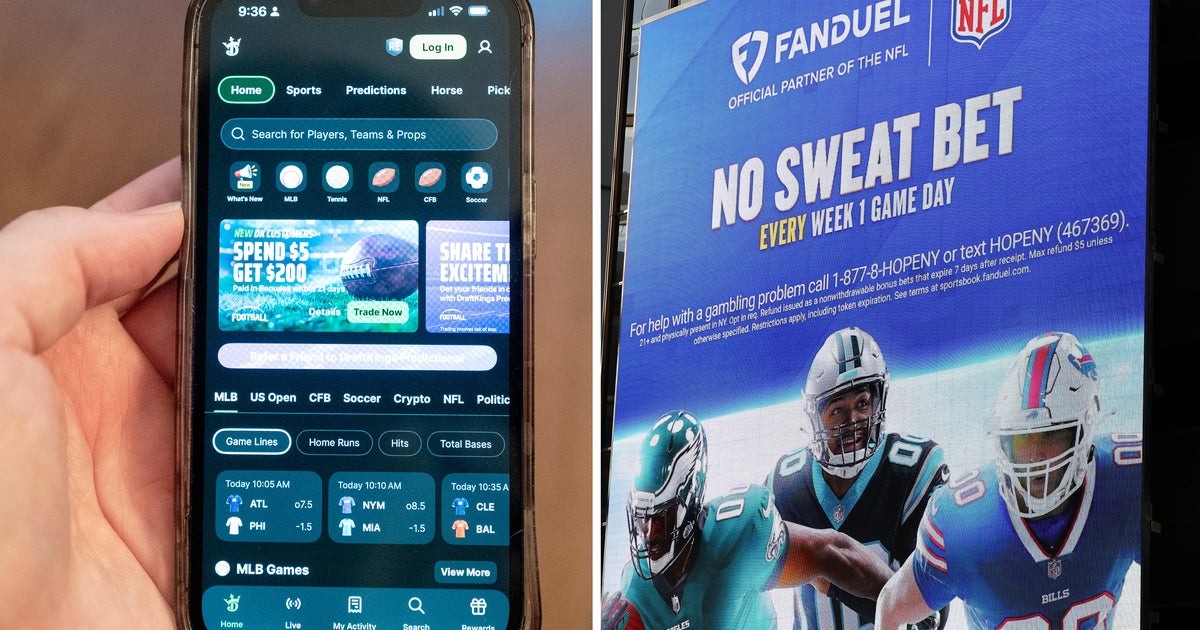
Attorney Jennifer Hoekstra has filed 15 lawsuits against FanDuel and DraftKings, the two largest sports gambling applications in the United States. The lawsuits allege that these platforms were designed to be addictive, utilizing workflows and notification systems similar to social media platforms. Hoekstra, whose firm was involved in recent litigation against Meta regarding platform design, stated that she represents individuals who have suffered significant financial and personal losses, including the loss of homes and families, due to sports betting.
The litigation follows a period of rapid growth for the industry, with the American Gaming Association reporting $167 billion wagered last year. A study from UCLA indicated that states legalizing online sports gambling saw a roughly 25% increase in bankruptcies and credit card delinquencies. Additionally, a survey by the National Council on Problem Gambling found that approximately 20 million American adults, or 8% of the population, reported experiencing at least one indicator of problematic gambling behavior many times in the past year.
Gaming companies have disputed the allegations, stating they actively monitor and address problematic behavior. FanDuel reported investing $158 million in responsible gaming last year and stated that its team conducted 58,000 manual account reviews, resulting in the removal of 5,700 users for responsible gaming reasons. DraftKings noted it employs a Chief Responsible Gaming Officer and a staff of more than 50 focused on responsible engagement. Both companies highlighted tools that allow users to set personal limits on deposits, wagers, and time spent on the apps.
However, some users and a former FanDuel employee described practices intended to maximize engagement. The former employee alleged that while the company possesses sophisticated data to track user activity, the internal focus was often on "slowing down" rather than cutting off prolific bettors. One bettor, Esteban Ruiz-Haynes, reported wagering between $80,000 and $120,000 annually—an amount roughly equal to his yearly salary—while receiving VIP perks such as luxury suite access and gifts from FanDuel. Another user, Louis Ruggiero, described being offered VIP status after losing $100,000 over three months, characterizing the incentives as "predatory retention."
The financial scale of the impact is documented by reports of a 25% rise in bankruptcies and credit card delinquencies in states with legal online betting. For an individual bettor like those cited in the lawsuits, the personal cost can reach $120,000 a year, or roughly 100% of their annual income. The legal theory behind these cases follows a March ruling where a jury found Meta and YouTube negligent and ordered the companies to pay a combined $6 million in damages, suggesting that if these gambling lawsuits succeed, the gaming industry may face similar liability for software architecture.
What happens next depends on the progression of the 15 filed cases through the court system. While DraftKings and FanDuel have stated they will vigorously defend their practices, no specific trial dates or deadlines for preliminary motions were reported. The industry currently utilizes a model involving user-set limits and internal monitoring, but these lawsuits seek to shift the legal responsibility for addiction from the individual bettor to the software developers. A specific date for the next hearing was not reported.