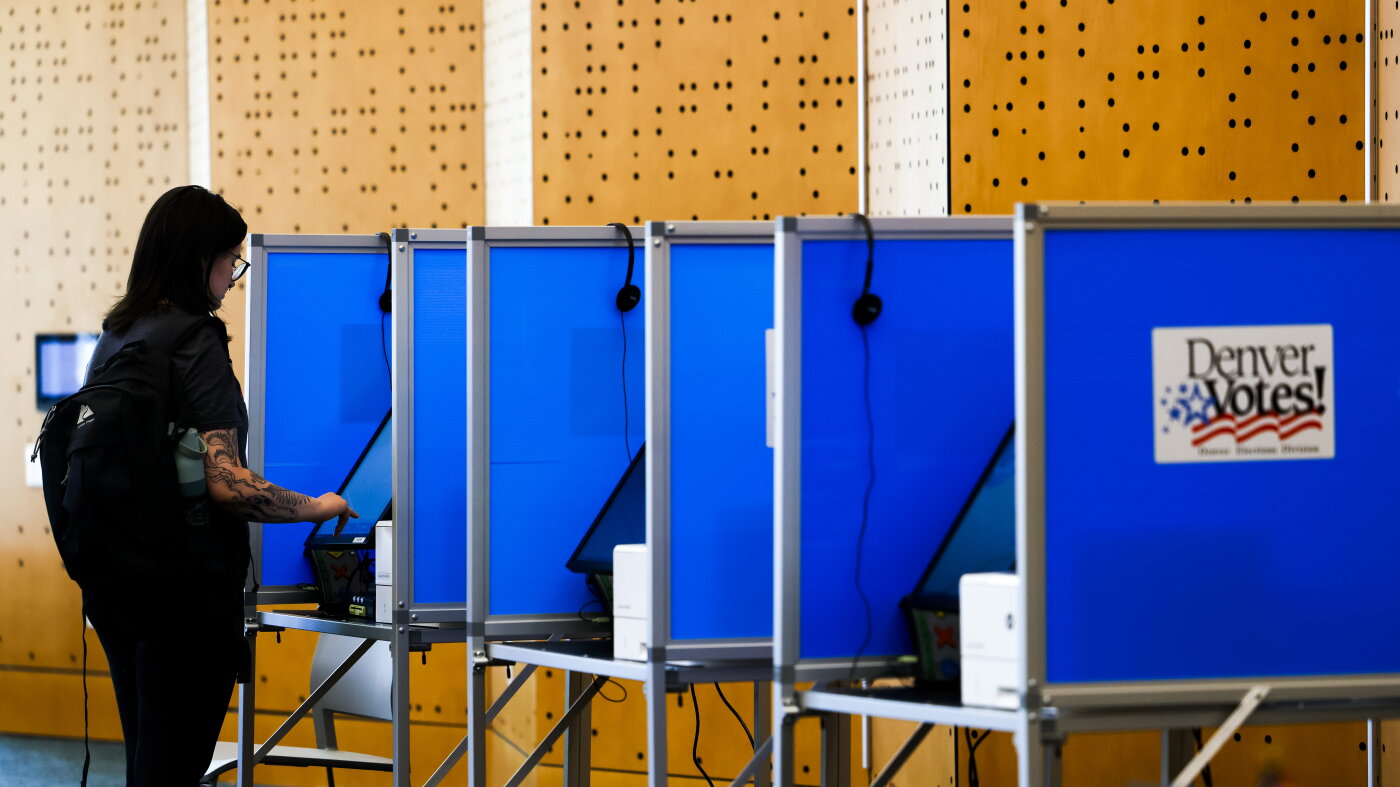
Multiple coalitions of civil rights groups and unions have filed lawsuits to prevent federal law enforcement officers from being deployed to polling locations. One legal challenge, filed in a Washington, D.C. federal court, argues that administration statements regarding potential agent presence at the polls constitute illegal voter intimidation. These lawsuits cite both Civil War-era statutes and the 1965 Voting Rights Act, which prohibits actions that intimidate or deter individuals from casting their ballots.
The legal actions follow several statements from administration officials regarding election security. In May, President Trump stated he would do "anything necessary" to ensure "honest" elections when asked about deploying agents. Department of Homeland Security (DHS) Secretary Markwayne Mullin said U.S. Immigration and Customs Enforcement (ICE) agents could serve warrants at polling sites, while FBI Director Kash Patel declined during a congressional hearing to rule out the presence of agents, though he stated they would follow the law.
The DHS has stated it is "not planning operations targeting polling locations" but noted that agents may conduct targeted enforcement if an "active public safety threat" occurs. Simultaneously, a whistleblower report alleged that a DHS program called the Unlawful Voter Initiative is using unreliable data to identify non-U.S. citizens on voter rolls. While federal authorities have recently charged several individuals with illegal voting, audits have historically found noncitizen voting to be rare.
On a broader scale, the outcome of these lawsuits involves the extent of federal authority at polling places. Election officials, such as Denver Clerk and Recorder Paul López, have expressed that federal presence could lead to arrests of agents by local authorities if their presence violates state laws. A ruling in favor of the plaintiffs would reinforce the legal precedent that prohibits armed federal troops or officers at polling places.
The immediate impact for voters involves the clarity of their rights before heading to the polls. If the courts do not issue injunctions, the presence or absence of agents will depend on DHS and FBI operational decisions on election day. The lawsuits are currently moving through federal courts, with plaintiffs seeking relief to prevent what they characterize as a climate of fear. No specific trial dates were reported, but the organizations involved, including the NAACP and various labor unions, are urging voters to proceed with their voting plans while the legal process continues.