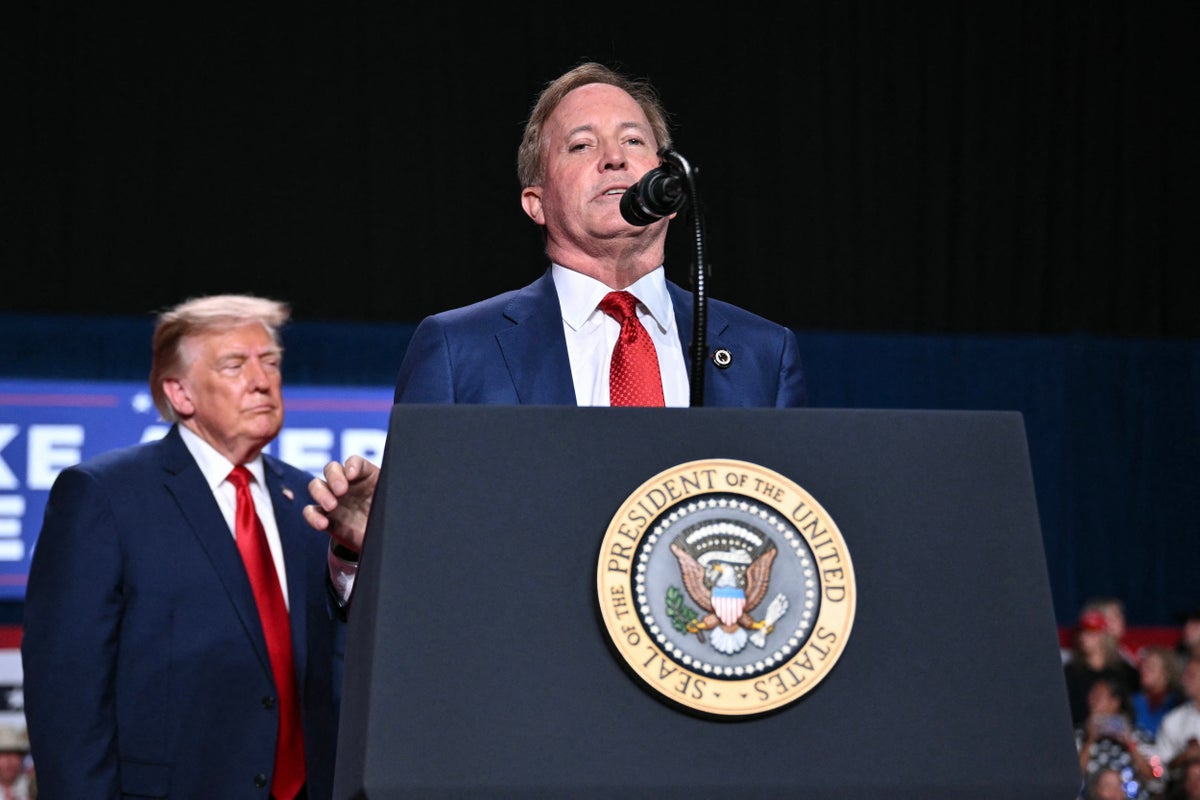
Leaked audio recordings from a private September 24 fundraiser in Washington, D.C., show Texas Attorney General Ken Paxton (R) discussing federal spending cuts and the impact of national issues on his U.S. Senate campaign. In the recordings, obtained by The Texas Tribune and Axios, Paxton told donors and lobbyists that reducing the federal deficit would require "reasonable cuts to mandatory spending." He described current federal spending levels as unsustainable and warned they could lead to national bankruptcy.
The release of the audio comes as Paxton remains in a competitive race against Democratic state representative James Talarico for a U.S. Senate seat. Recent polling from UMass Lowell and YouGov showed the candidates tied at 45 percent, while other surveys from The New York Times/Siena and YouGov reported Talarico leading by 6 percentage points. The recordings surface as President Donald Trump, who has endorsed Paxton, campaigns for Republican candidates ahead of the November 3 midterm elections.
In the leaked clips, Paxton identified the conflict in Iran and rising energy costs as primary challenges for his campaign, noting that diesel prices exceeding $6 per gallon were affecting voters. "Affordability is by far our biggest problem," Paxton said in the recording. He also characterized the recent Republican midterm convention in Dallas as a factor that negatively affected polling numbers for GOP candidates. In a statement following the leak, Paxton accused the media of using "cherry-picked audio" and clarified that he would not support cutting Social Security benefits for those who have earned them.
The focus on fuel prices highlights a concrete economic change noticed by Texas residents at the pump and the grocery store. With diesel prices reportedly over $6 per gallon, the increased cost of transporting goods has led to higher prices for food and consumer products. These costs are directly tied to the ongoing eight-month war with Iran, which an AP-NORC poll found is opposed by 71 percent of Americans. Voters are feeling these impacts in their daily budgets, which Paxton cited as the reason he feels he has less control over the local campaign narrative.
The public-private dynamic between Paxton and President Trump sets a precedent for how candidates in competitive districts manage their association with the White House. A Reuters report found that candidates in 41 out of 62 tight congressional races are currently distancing themselves from the president as his approval rating reached a record low of 31 percent. What happens next depends on the November 3 election results; if Republicans maintain control of Congress, the president has proposed a $5,000 "Trump dividend" check for adults, though the feasibility of this and any potential spending cuts would be determined by the incoming legislature.