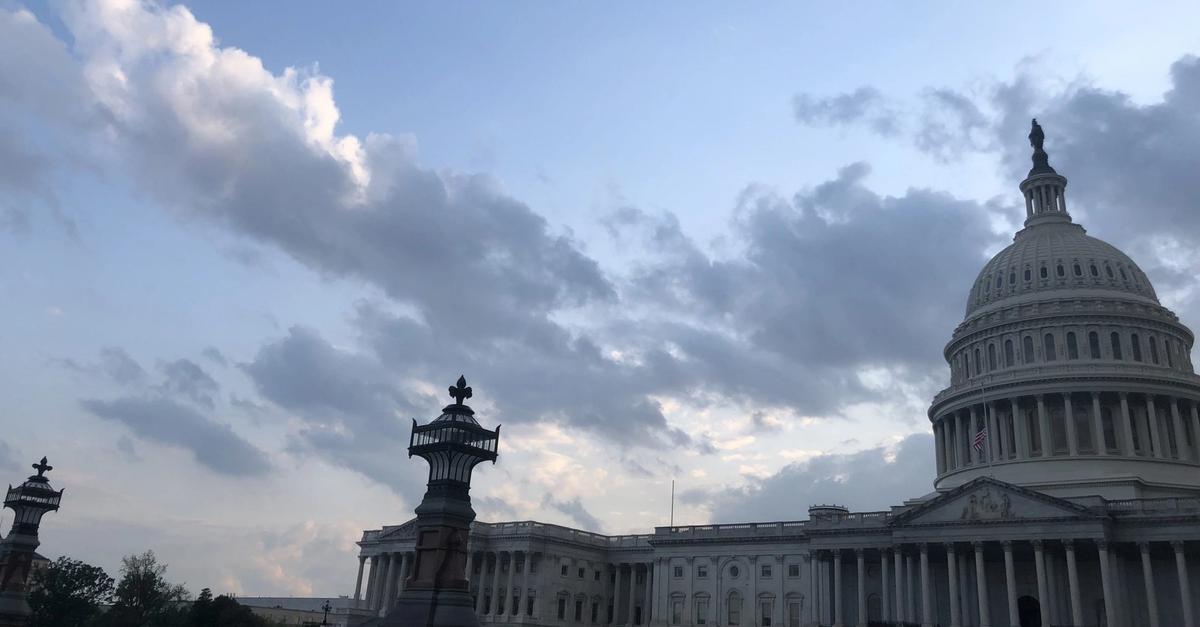
Legal analysts James Valvo and Cindy Crawford of the Americans for Prosperity Foundation reported on Wednesday that the U.S. Congress has an opportunity to respond to several recent Supreme Court rulings by amending federal statutes. The analysts stated that legislative action following the court’s summer term is a necessary part of the separation of powers, citing past examples where Congress revised laws to clarify its intent after judicial interpretations.
The report identified four specific cases from the 2025-26 term where legislative changes could be applied: Learning Resources v. Trump, FCC v. AT&T, Rutherford v. United States, and Sripetch v. SEC. These cases involve issues ranging from presidential tariff authority and administrative penalties to compassionate release for prisoners and financial disgorgement rules within the Securities and Exchange Commission (SEC).
In Learning Resources v. Trump, the Supreme Court ruled that the International Emergency Economic Powers Act (IEEPA) does not grant the president the power to impose unilateral tariffs or duties. Valvo and Crawford suggested that Congress could review the act to include a 30-day sunset provision on emergency declarations unless expressly extended by legislators. In Sripetch v. SEC, the court held that the SEC is not required to prove monetary loss by victims to obtain disgorgement, or the surrender of profits from illegal activities. The analysts noted that Congress could amend the law to require proof of harm in a court with a jury.
The scale of these changes involves the administration of billions of dollars in potential tariffs and regulatory penalties. Under the Sripetch v. SEC proposal, the SEC would be required to establish monetary harm in an Article III court before seizing profits, and any recovered funds would be mandated for distribution to victims rather than held by the government. This would shift the legal burden of proof to the agency and provide a concrete change in how restitution is handled for individual investors. The report notes that between 1991 and 2012, Congress used statutes to supersede Supreme Court decisions approximately 30 times, though the analysts stated such actions have become less common in recent years.
The knock-on effects of these legislative actions would impact the balance of power between the executive and legislative branches, particularly regarding the use of emergency economic powers. By setting a precedent for regular statutory reviews at the end of each judicial term, Congress could establish a consistent mechanism for resolving disagreements over statutory interpretation. What happens next depends on whether members of Congress introduce bills to address these specific rulings. While the analysts from Americans for Prosperity have published these suggestions, no specific dates for legislative votes or committee hearings on these matters were reported.