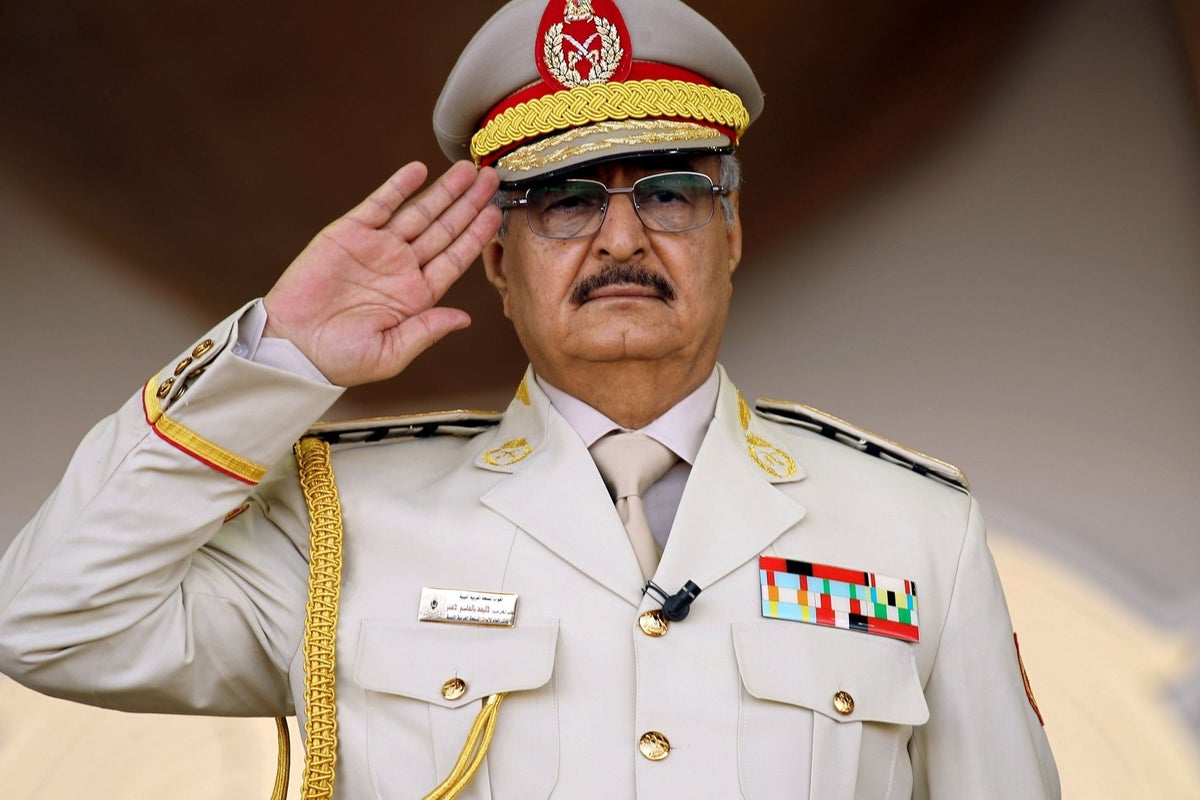
The Libyan Arab Armed Forces (LAAF), the military organization controlling eastern Libya, has executed 31 people since August 2026, ending a 15-year de facto moratorium on capital punishment. According to human rights organizations, these are the first known executions in the country since 2010. Human Rights Watch reported that at least 50 additional individuals are currently at risk of execution under the same authority.
The resumption of executions follows the death of Major-General Fawzi al-Mansouri, a military intelligence chief for the LAAF, who was killed in a car bombing in Benghazi in August. Approximately two weeks after that event, on August 23, 2026, the military prosecutor's office announced the execution of 10 individuals. The LAAF stated these individuals were convicted of terrorism-related offenses, including participation in assassination attempts against military personnel and membership in banned organizations.
Human rights groups, including Amnesty International and Human Rights Watch, have challenged the legality of the proceedings. Amnesty International reported that the individuals were convicted in secret military trials and that some convictions were based on confessions allegedly obtained through torture, including electric shocks and beatings. In at least two instances, Amnesty stated that the LAAF executed individuals whose death sentences had already been reduced to life imprisonment by an appeals court. Human Rights Watch noted that defendants were denied private access to lawyers and were not provided with written judgments.
For the families of the 31 people executed and the 50 currently at risk, the change manifests as a loss of legal recourse and transparency. Human Rights Watch reported that families and journalists were barred from the trials and were not given prior notice of the executions. This shift in judicial practice occurs within a broader political division between the LAAF-aligned eastern government and the United Nations-backed Government of National Unity in Tripoli. Rights researchers indicate that if these practices are not reversed, the lack of accountability could be integrated into future unified state institutions.
The next steps depend on the actions of the LAAF leadership and the international governments that provide them with support. Human rights advocates are calling for an immediate halt to all pending executions and a reversal of the current policy. While no specific dates for the remaining 50 executions have been made public, Amnesty International stated there is no indication the LAAF intends to change its course. The legal status of these prisoners remains under scrutiny by international observers as the political divide in Libya continues.