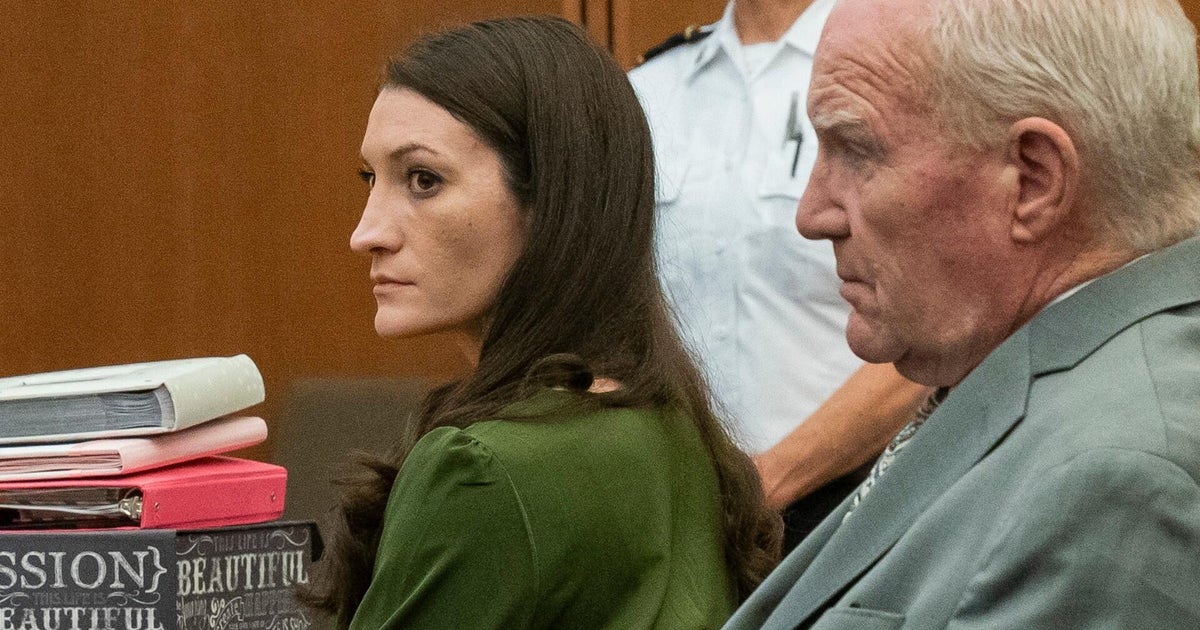
The murder trial of Lindsay Clancy resumed in Massachusetts on Thursday, with the defense expected to call its final witness. Clancy, 36, has pleaded not guilty to first-degree murder in the January 2023 deaths of her three children: 5-year-old Cora, 3-year-old Dawson, and 8-month-old Callan. The defense is seeking a verdict of not criminally responsible, while the prosecution alleges the acts were planned.
The proceedings follow a trial day that ended early due to an unforeseen circumstance after testimony from Dr. Paul Zeizel, a psychologist who has met with the defendant. Defense attorney Kevin Reddington has argued that Clancy was overmedicated and suffering from postpartum psychosis, a severe mental health condition. A defense psychologist previously testified that Clancy reported hearing a voice ordering her to kill her children.
Prosecutors Jennifer Sprague and Shanan Buckingham have argued that Clancy faked a suicide attempt after the killings and planned the events at the family’s Duxbury home. Following the defense's conclusion, the prosecution is expected to call several rebuttal witnesses before the case moves to closing arguments. Outside the Plymouth Superior Court on Thursday morning, dozens of women dressed in pink gathered to advocate for improved postpartum healthcare and mental health treatment.
The scale of the case's public impact is evidenced by supporters traveling from states as far as Florida, Tennessee, and New York to attend the proceedings. These observers, including mental health workers, told reporters they are advocating for systemic changes in how healthcare providers communicate and treat postpartum disorders. For families and healthcare providers, the trial serves as a focal point for discussions on the adequacy of existing mental health resources and the legal standards for criminal responsibility.
A verdict will determine the long-term custody and care of the defendant, who remains paralyzed and uses a wheelchair following the events of January 2023. The trial's conclusion will set a precedent for how Massachusetts courts handle similar cases involving allegations of postpartum psychosis. Following the rebuttal witnesses and closing arguments, the case will be handed to the jury for deliberations. Judge William Sullivan has not yet announced a specific date for when the jury will begin those deliberations.