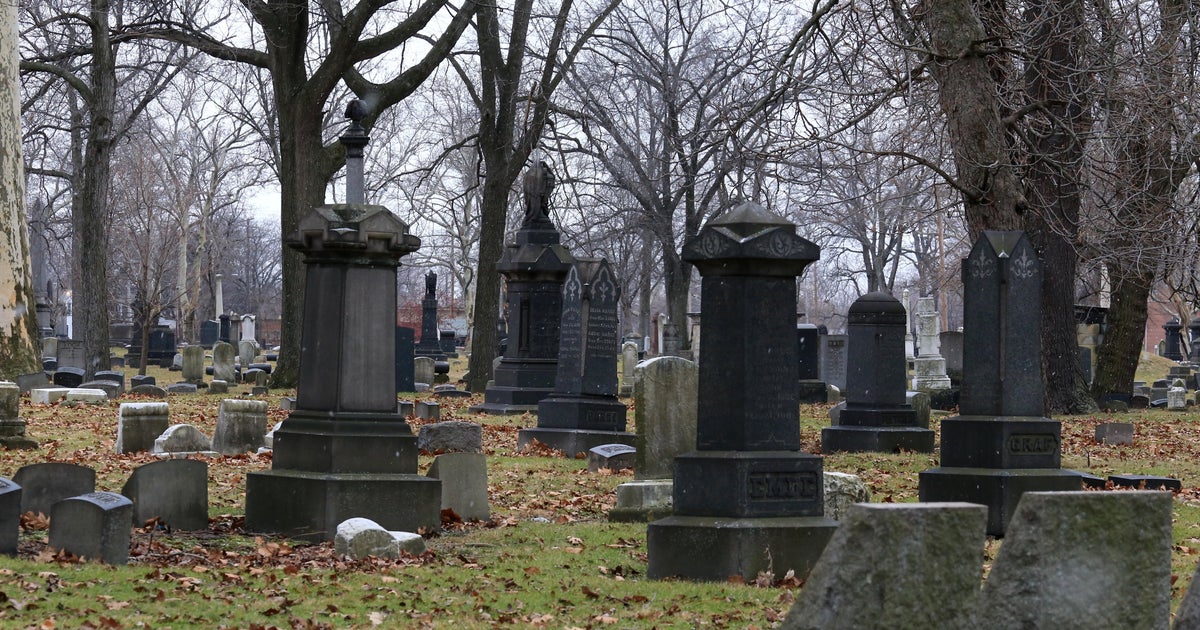
While the terms "graveyard" and "cemetery" are frequently used interchangeably, they possess distinct historical and logistical definitions. A graveyard specifically refers to an area of land, typically situated adjacent to a church, used for interring the dead. By contrast, a cemetery is a designated burial site that is usually not affiliated with a specific church or place of worship.
Historically, influential Christians during the Middle Ages were often interred inside church crypts, while others were buried in the surrounding churchyard, which became known as the graveyard. The word is derived from the proto-Germanic terms "graban," meaning "to dig," and "gardan," meaning an "enclosed area." These sites are characterized by their smaller size, older tombstones, and sometimes less uniform maintenance compared to modern sites.
The concept of the cemetery emerged in the early 19th century as rapid population growth led to church graveyards reaching capacity. These newer, independent sites were often located away from city centers to provide more space. The word stems from the Greek "koimeterion," meaning "resting place" or "dormitory." Unlike graveyards, cemeteries are generally larger, organized into neat rows of plots, and may include modern family plots.
The distinction affects burial eligibility and site management. Those seeking burial in a graveyard must typically be congregants of a specific church, whereas cemeteries are open to the general public regardless of religious affiliation. This determines the proximity of the burial to a local community center versus a larger, suburban or rural tract.
For individuals planning for end-of-life expenses, the scale of these facilities dictates capacity. While specific dollar amounts for plots were not reported, the physical scale of cemeteries allows for more capacity than the limited acreage of church graveyards. A person choosing a cemetery would notice more organized maintenance and the availability of larger family plots, whereas a graveyard burial involves a site that is often less manicured.
The transition from graveyards to cemeteries reflects a shift in land use that began two centuries ago. This established the model for modern burial grounds that operate independently of a specific place of worship. No specific upcoming legislative deadlines or court dates regarding these definitions were reported.