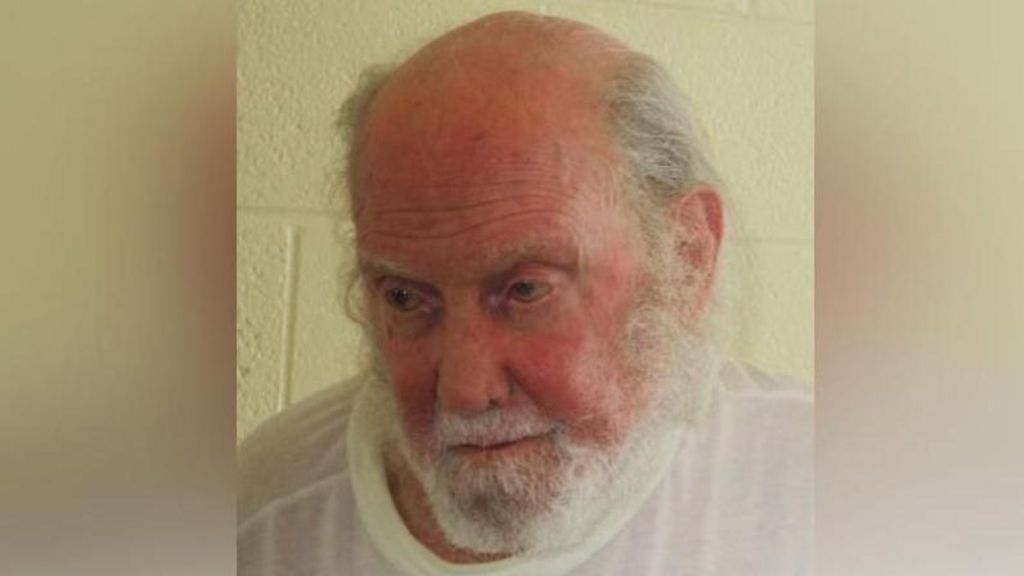
Francis Clifford Smith, who was identified as the longest-serving prisoner in the United States, died in June at the age of 101. Smith was convicted of first-degree murder in 1950 and spent more than 70 years in the justice system before his death at a specialized nursing facility. David Skoczulek, a spokesperson for the 60 West facility, stated that Smith died of old age in his sleep and was subsequently cremated.
Smith’s legal history began in 1949 when he was accused of murdering Grover Hart, a night watchman at a Connecticut yacht club. While Smith maintained his innocence, he was convicted based on evidence from a co-defendant who accepted a plea deal. Over the following decades, Smith was scheduled for execution eight times and received eight last meals, but he was spared on each occasion. His conviction was later questioned after witnesses recanted statements and another inmate reportedly confessed to the crime.
During his decades of incarceration, Smith spent time at Osborn prison, where he was known by the nickname "The Birdman of Osborn" for feeding bread to birds. Though he escaped for 12 days in 1967 and had brief periods of parole or holiday leave in the 1970s, he remained in the system for the majority of his adult life. In 2020, he was granted supervised parole and moved to MissionCare Health’s 60 West facility, which provides long-term nursing care for individuals within the justice system.
For the incarcerated individuals and facility staff, this trend manifests in increased rates of dementia, hearing impairment, incontinence, and fall risks. These conditions require specialized medical environments rather than standard regimented prison settings. Researchers such as Dr. Stephanie Prost note that these issues are not unique to the U.S., as similar aging-related concerns are emerging in Australia and England. The demand for "smart de-carceration" policies—such as compassionate release or medical parole—is driven by the high cost of providing skilled nursing care to a population that remains under state supervision.
The death of Francis Smith marks the end of a legal tenure that spanned seven decades, setting a precedent for how the justice system manages lifelong inmates with declining health. While programs like MissionCare Health offer a model for supervised elderly care, experts indicate there are currently few such facilities willing to accept convicted prisoners. As the incarcerated population continues to age, policymakers will likely face decisions regarding the expansion of specialized nursing homes for parolees and the implementation of elderly parole dates. Smith's passing in June concluded his supervised parole, which began in 2020.