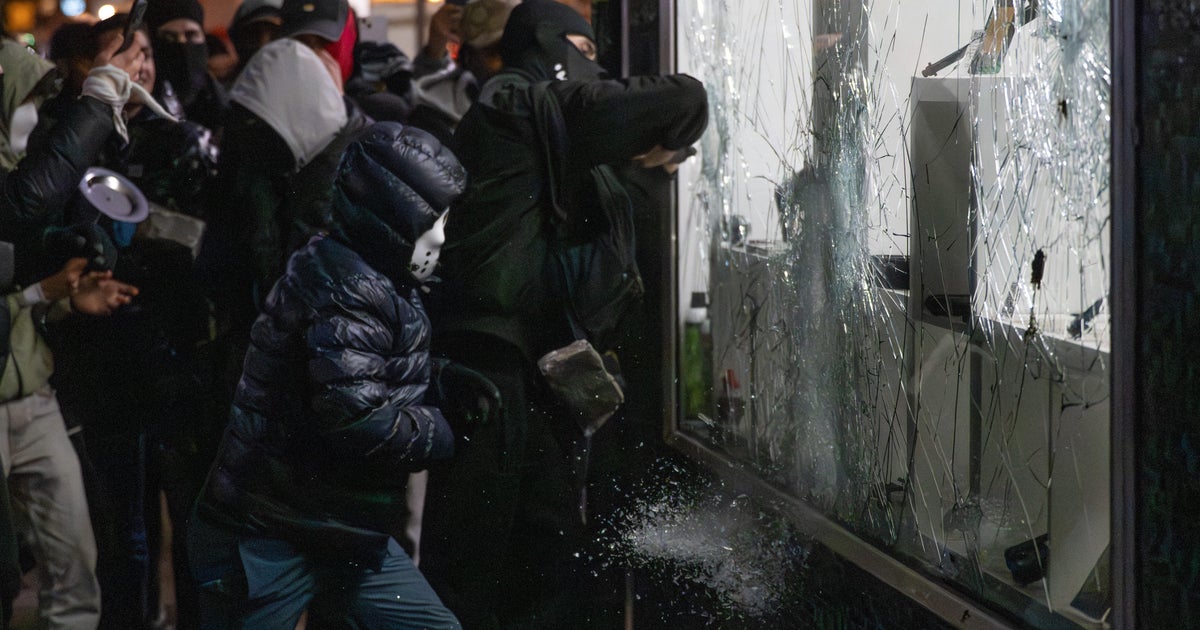
Masked rioters smashed storefronts and looted goods in Frankfurt on Saturday night following nationwide protests over the rising cost of living and education funding. While many of the demonstrations held across more than 30 German cities were peaceful during the day, violence broke out in the evening in Frankfurt, Berlin, Cologne, and Hamburg. Frankfurt police reported that some individuals threw Molotov cocktails, stones, and fireworks at emergency services, while others briefly took weapons from a gun store before authorities retrieved them.
The protests were organized by a youth initiative known as "Gen Z regelt" (Gen Z takes charge), which called for increased investment in education, healthcare, and climate protection. The group also stated its opposition to the return of any form of military conscription. Organizers reported that tens of thousands of people participated across the country, though official police estimates in major hubs like Berlin, Munich, and Frankfurt totaled approximately 18,000—roughly half the number cited on the organizers' website.
In Berlin, students gathered at the Brandenburg Gate to highlight the poor condition of school and university buildings, citing water damage and teacher shortages. As the evening progressed, tensions rose; in Hamburg, protesters set fire to barricades and launched pyrotechnics at police, who responded with water cannons and tear gas. Prior to the events, some businesses on Berlin’s Kurfuerstendamm shopping boulevard boarded up windows due to concerns regarding unrest, following a pattern of similar youth-led protests elsewhere in Europe.
The scale of the movement reached 34 cities, with organizers originally expecting up to 182,000 participants nationwide. While the turnout was lower, with police counting 18,000 in the largest cities, the economic impact includes the cost of police deployments and property repairs. German officials, including Hesse Interior Minister Roman Poseck, expressed concern that extremist groups might attempt to exploit the youth movement, citing recent violent unrest in France as a scenario they sought to avoid. The protests occur as Germany face economic stagnation and a shrinking working-age population, which places additional pressure on public services and pensions.
What happens next remains centered on the response from Chancellor Friedrich Merz’s government. Protesters stated they would continue to exercise their right to assemble until their concerns regarding the cost of living and education are addressed. A separate day of protest has already been scheduled for November 20 by the BSK, Germany’s national school student umbrella organization, which distanced itself from the "Gen Z regelt" initiative. It is not yet known if the government will propose new spending measures or policy changes regarding conscription in response to these events.