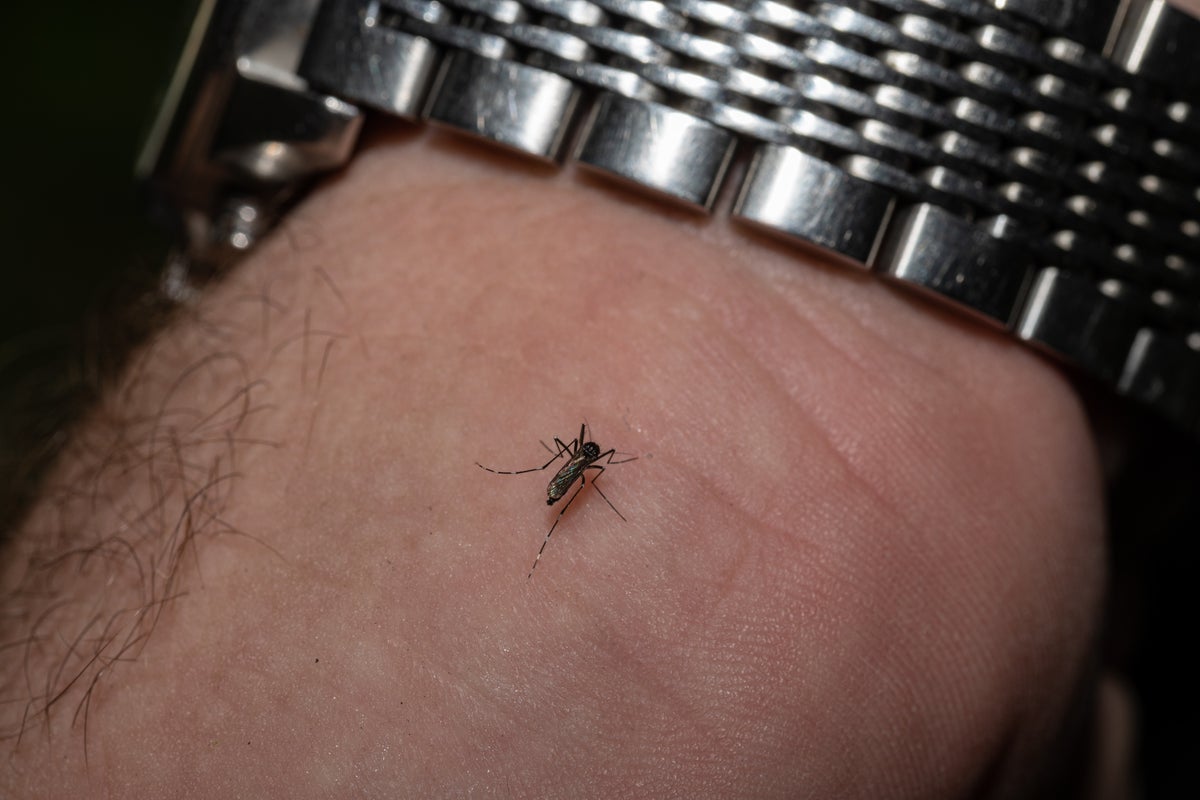
Public health authorities in Los Angeles County reported the area's first death linked to the West Nile virus this year, occurring as California officials warn of the highest virus activity in five years. The Centers for Disease Control and Prevention (CDC) has documented more than 222 cases across 32 states so far this year, with at least eight deaths reported nationwide as of August 18.
The fatal case in Los Angeles County involved a resident of the San Fernando Valley who was hospitalized with a neurological condition resulting from the virus. While most individuals infected with West Nile virus show no symptoms, health officials noted that roughly one in five develop flu-like symptoms, and one in 150 develop severe complications such as encephalitis or meningitis.
Data from the California Department of Public Health (CDPH) indicates that 30 human infections and three deaths were identified in the state through August 14. Surveillance of local wildlife and mosquito populations shows elevated infection rates, with 24% of dead birds testing positive for the virus—nearly double the five-year average of 13%. Additionally, eight out of every 1,000 mosquitoes sampled in California have tested positive for the virus.
The scale of the current outbreak is reflected in the 222 cases reported nationally, occurring as the U.S. enters the peak transmission months of August and September. In California, the detection of the virus began nearly two months earlier than usual following the warmest winter on record. For the 1 in 150 people who develop severe neurological symptoms—such as paralysis, neck stiffness, or vision loss—the condition can be fatal. The CDC reports that approximately 10% of those who develop severe illness affecting the central nervous system die.
Residents in affected areas will notice increased messaging from public health agencies regarding mosquito protection, including recommendations to use insect repellent, remove standing water on their property, and repair window screens. There is currently no vaccine or targeted treatment available for the virus. Health officials state that transmission typically peaks in August and September, meaning elevated risk levels are expected to persist through the end of next month across much of the contiguous United States. Individuals who suspect they have contracted the virus are advised to monitor for symptoms that typically appear two to six days after a mosquito bite.