The Plain Record

Neutral daily news — clear headlines, complete facts.

National

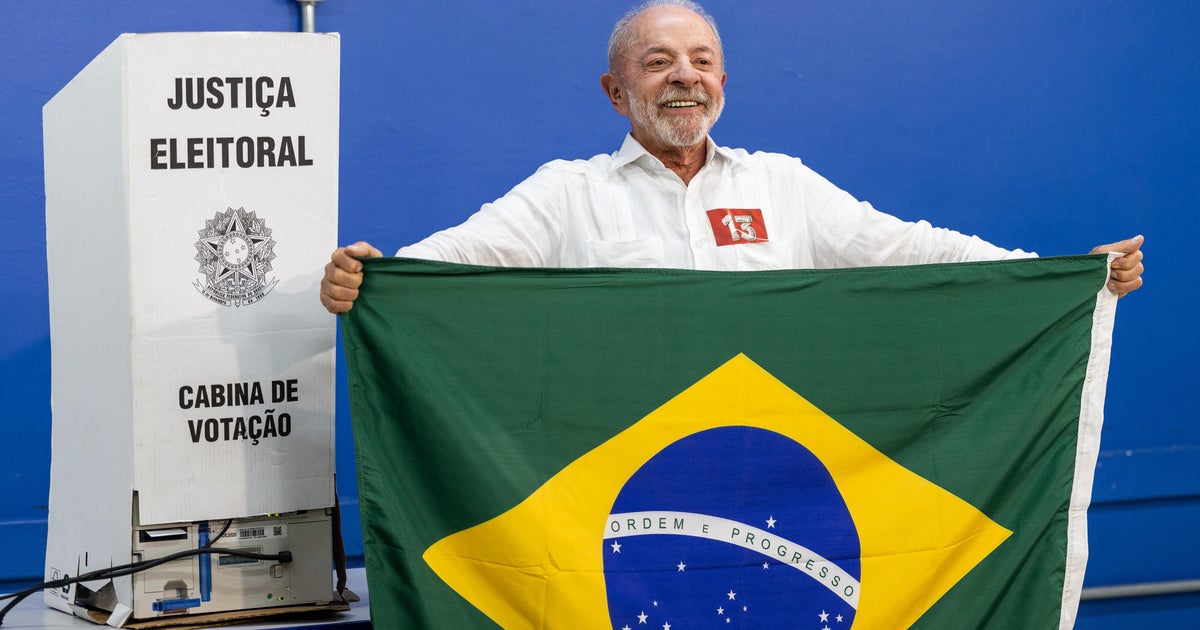
Lula da Silva Elected to Fourth Term as Brazil’s President Following Runoff

Luiz Inácio Lula da Silva defeated Sen. Flávio Bolsonaro in a runoff election on Oct. 25, 2026, to secure his fourth non-consecutive term as Brazil's president.

Background: The Electoral College, explained: how the United States actually elects a president

By The Plain RecordUpdated October 26, 2026 at 4:20 AM EDT
Published October 26, 2026 at 3:20 AM EDT

The short answer

Luiz Inácio Lula da Silva defeated Sen. Flávio Bolsonaro in a runoff election on Oct. 25, 2026, to secure his fourth non-consecutive term as Brazil's president.

Updates (3)

  • Update — October 26, 2026 at 4:20 AM EDT: Luiz Inácio Lula da Silva defeated Sen. Flávio Bolsonaro in a runoff election on Oct. 25, 2026, to secure a fourth presidential term.
  • Update — October 26, 2026 at 3:20 AM EDT: Polls had put the two party leaders neck and neck in the run up to the vote
  • Update — October 26, 2026 at 3:20 AM EDT: Brazil's 80-year-old left-wing leader President Lula defeats Flávio Bolsonaro in a bitterly contested runoff.
Lula da Silva Elected to Fourth Term as Brazil’s President Following Runoff

The Facts

Who
Luiz Inácio Lula da Silva, Sen. Flávio Bolsonaro, and Brazil's Superior Electoral Court
What
Luiz Inácio Lula da Silva won the Brazilian presidential runoff election against Sen. Flávio Bolsonaro.
When
Sunday, October 25, 2026
Where
Brazil
Why
Lula won 51.8% of the vote to secure a fourth term, maintaining a left-of-center government in Latin America's largest economy despite legal challenges and voting delays.

Luiz Inácio Lula da Silva was elected to a fourth, non-consecutive term as president of Brazil on Sunday, October 25, 2026. With 100% of the vote counted, Brazil’s electoral court announced that Lula secured 51.8% of the total vote, defeating Sen. Flávio Bolsonaro, who received approximately 48.2%. The victory marks the first time since 1989 that a candidate who trailed in the first round of voting successfully overcame that deficit in a runoff election.

The results followed an evening of procedural complications at polling stations throughout the country. Three minutes before the scheduled close of polls, Supreme Court Justice Cristiano Zanin ruled to extend voting by two hours following requests from both campaigns. Lula’s campaign cited transportation issues in São Paulo and Salvador, while Bolsonaro’s campaign noted heavy rains in the southern region. Some polling machines had already been deactivated by the time the extension was announced and could not be restarted.

Lula, who will be 81 when his term begins on January 5, 2027, ran on a platform focused on social spending and maintaining Brazilian sovereignty. During the campaign, he emphasized his track record of reducing poverty and proposed a debt relief program for small businesses. Flávio Bolsonaro, the 45-year-old son of former President Jair Bolsonaro, campaigned on a tough-on-crime platform and proposed pardoning his father, who is currently under house arrest for plotting a coup. Following the results, Bolsonaro called the outcome "inexplicable" and stated he would seek to annul the vote.

The election also maintains a shift in regional governance, as Brazil and Mexico, the two most populous nations in Latin America, are now both led by left-of-center presidents. This positioning may lead to continued friction with the U.S. government, particularly regarding trade tariffs and security policy. The Trump administration previously imposed 25% tariffs on Brazilian exports and classified drug-trafficking groups as foreign terrorist organizations, moves Lula characterized as intervention. While Bolsonaro sought closer ties with Washington to develop Brazil's estimated 21 million tons of rare mineral deposits, Lula has signaled a preference for maintaining the nation’s independence from U.S. influence.

Legal and administrative challenges are expected to follow the declaration of the results. Flávio Bolsonaro’s intention to seek an annulment of the vote may lead to proceedings in Brazil's Superior Electoral Court. Additionally, electoral authorities are investigating reports that at least 75 public buses were prevented from operating in Bahia state, a Lula stronghold, which led to the arrest of Salvador’s mobility secretary, Pablo Souza. The next formal step is the presidential inauguration, currently scheduled for January 5, 2027.

Timeline of what happened

Key dates and decisions, in the order they occurred.

  1. October 30, 2022

    Lula defeats Jair Bolsonaro in presidential election

  2. October 4, 2026

    First round of voting concludes with Bolsonaro leading Lula by 2.2 million votes

  3. October 25, 2026

    Runoff election held; Supreme Court justice extends voting by two hours

  4. January 5, 2027

    Scheduled date for presidential inauguration

Summaries are written by The Plain Record to state the facts of a story plainly and without political slant. Drafted with AI assistance and checked against the source record before publication. See how we report, or report a correction.

← Back to the front page

Questions readers ask

What happened: Lula da Silva Elected to Fourth Term as Brazil’s President Following Runoff?

Luiz Inácio Lula da Silva won the Brazilian presidential runoff election against Sen. Flávio Bolsonaro.

Who is involved?

Luiz Inácio Lula da Silva, Sen. Flávio Bolsonaro, and Brazil's Superior Electoral Court

When did this happen?

Sunday, October 25, 2026

Where did this happen?

Brazil

Why does this matter?

Lula won 51.8% of the vote to secure a fourth term, maintaining a left-of-center government in Latin America's largest economy despite legal challenges and voting delays.