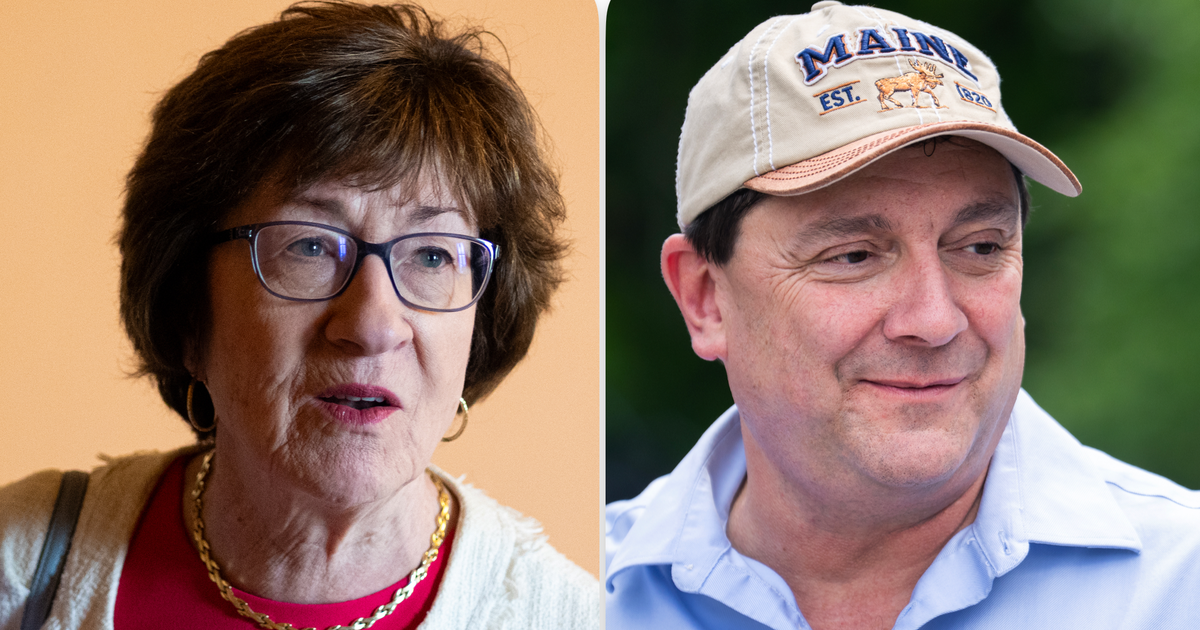
A CBS News/YouGov survey released on October 2, 2026, shows a close race for the U.S. Senate in Maine between Republican incumbent Susan Collins and Democratic challenger Troy Jackson. The poll of 1,114 registered voters found the race tied, with Collins supported by 49% of respondents and Jackson by 46%, which falls within the survey's margin of error of +/- 4.7 percentage points.
The tied race occurs in a state that has historically leaned toward the Democratic Party. While Kamala Harris won the state in the 2024 presidential election, the poll indicates that Collins is maintaining support by attracting voters who say they prioritize state issues over national politics. Additionally, the poll shows Collins is supported by one in five Maine voters who say they disapprove of President Donald Trump.
Jackson’s support is partly driven by voters who believe Collins aligns too closely with President Trump and those who seek to give national Democrats control of the Senate. The poll also found that 40% of Democrats and a majority of independents surveyed wish someone else were the Democratic nominee. In the concurrent gubernatorial race, Democratic nominee Hannah Pingree holds a lead that the poll states hews more closely to the state's partisan history.
The survey indicates that 10% of voters remain open to changing their minds. For Maine residents, the outcome of the race may influence federal funding directed toward the state, as Collins currently holds an edge among voters on the question of who would bring back more federal dollars. The survey found that while many voters feel President Trump's policies have hurt the state economy, nearly 20% of those who believe Jackson’s policies would benefit them financially are still supporting Collins.
The race remains fluid as the candidates move toward the general election date in November 2026. The CBS News/YouGov survey suggests that neither candidate has established a definitive lead, leaving the final outcome to be determined by turnout and the decisions of the remaining undecided voters.