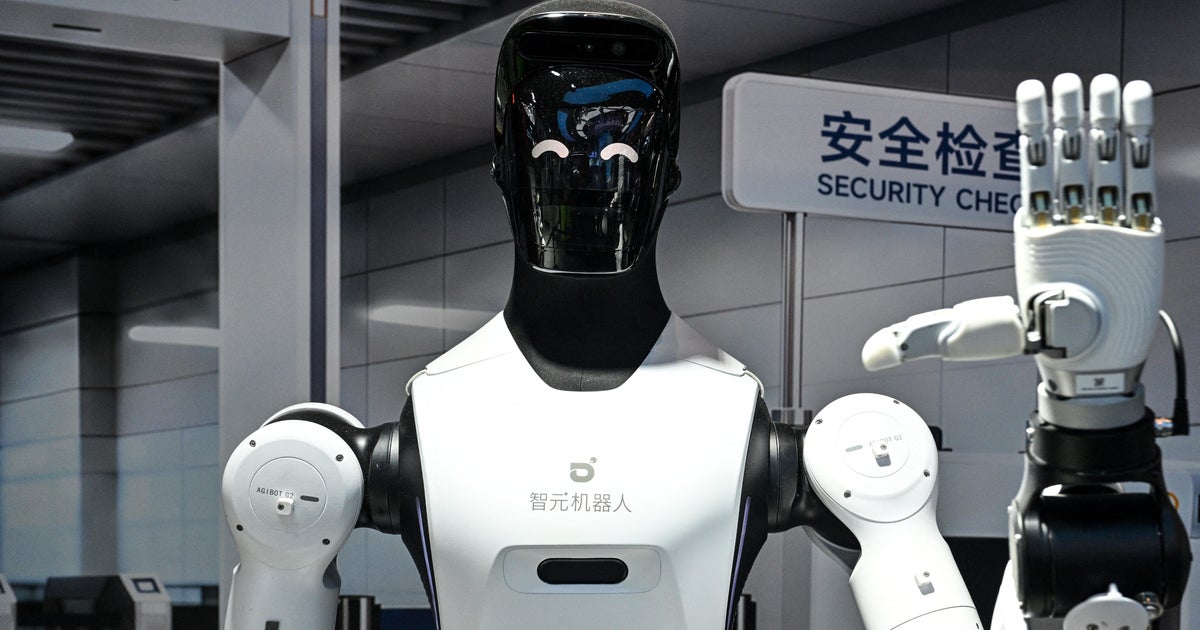
American Airlines announced a new policy on Friday banning humanoid and animal-like robots from its flights, joining several other major U.S. carriers that have recently implemented similar restrictions. The ban, which went into effect the following Monday, applies to both the aircraft cabin and checked baggage.
The move follows a series of policy changes by other airlines over the last several months. Southwest Airlines announced a ban in May after a passenger boarded a flight with a robot companion earlier in the year. Delta Air Lines instituted a similar prohibition in June, followed by United Airlines on July 23.
Airlines cited safety concerns regarding the lithium-ion batteries that power these machines. American Airlines defines a humanoid robot as a machine designed to resemble or imitate human appearance, movement, or behavior. Delta specifically noted that the devices contain lithium batteries that exceed permitted watt-hour limitations, posing potential fire and security risks.
Ravinder Dahiya, a professor and roboticist at Northeastern University’s College of Engineering, stated that most current humanoid robots use heavy lithium-ion batteries. These power sources can present a fire hazard if they explode or are mishandled. Dahiya noted that while he supports safety measures, the bans may hinder researchers who need to transport robots for demonstrations.
The scale of the impact is tied to the physical specifications of the robots' power sources. Under these policies, travelers will notice that machines mimicking human or animal behavior are prohibited if they utilize lithium batteries exceeding standard watt-hour limits. This change effectively removes the possibility of "companion" robots traveling in the cabin, a practice that occurred as recently as earlier this year on Southwest. For professionals in the field, this creates a logistical barrier for demonstrations and field tests, as they can no longer use standard commercial flights to move large-scale prototypes.
The knock-on effects include a clear regulatory precedent for how airlines treat emerging autonomous technologies. By classifying these robots primarily as battery hazards rather than standard electronics or luggage, carriers have set a baseline for future technology integration in air travel. JetBlue has not yet implemented a similar ban, and it remains unknown if other smaller carriers will follow. The policies at American, Delta, United, and Southwest are currently in effect as of August 2026.