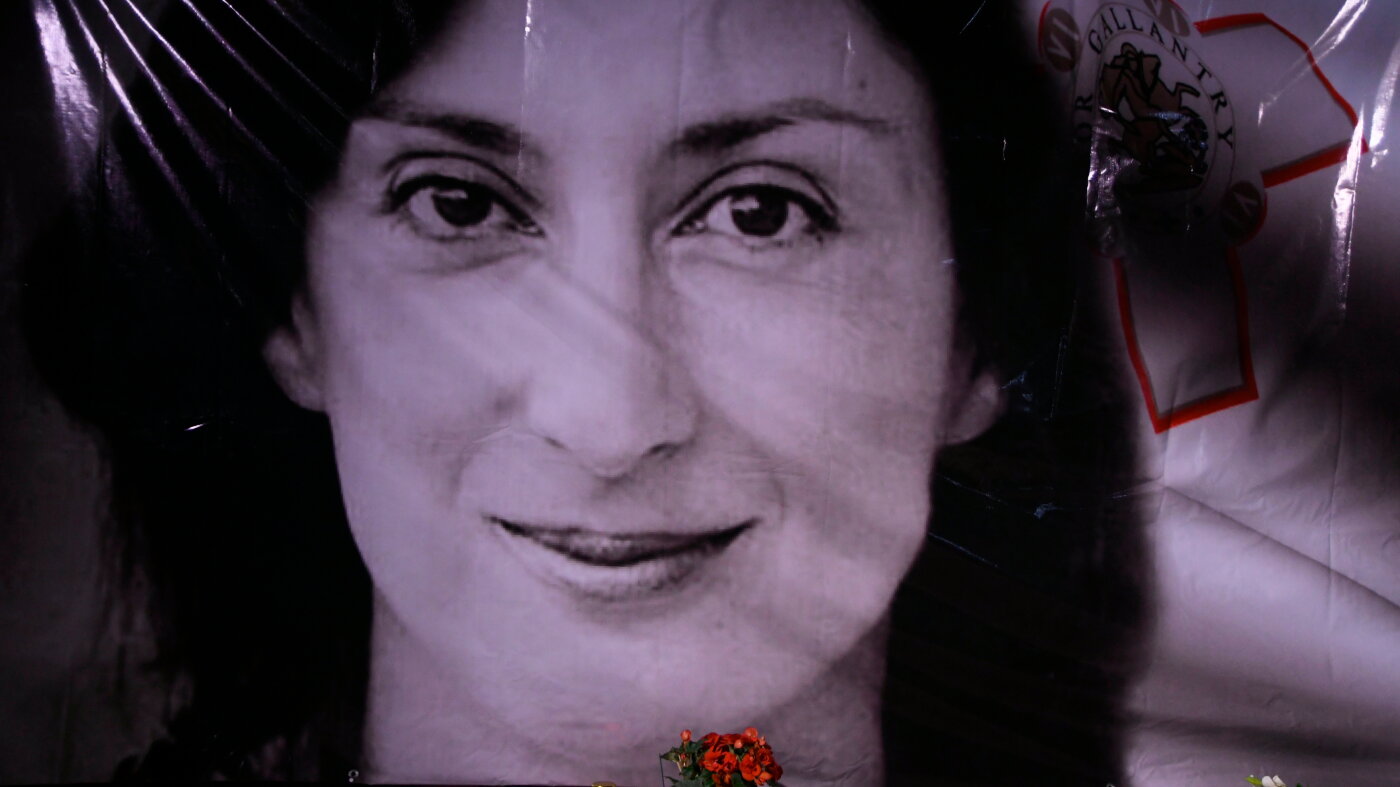
A jury in Malta on Wednesday, September 2, 2026, acquitted businessman Yorgen Fenech of charges that he orchestrated the 2017 car bomb killing of investigative journalist Daphne Caruana Galizia. Fenech, who had been indicted in 2021 for complicity and criminal conspiracy, pleaded not guilty to the charges. The jury returned a not-guilty verdict on both counts with an 8-1 vote.
The 2017 assassination of Caruana Galizia, a prominent blogger and columnist, triggered international condemnation and domestic political upheaval. An independent inquiry published in 2021 concluded that the Maltese state bore responsibility for the killing due to a "culture of impunity" at high government levels, though it did not find proof of direct government involvement. The fallout from the investigation and Fenech's 2019 arrest led to mass protests and the eventual resignation of then-Prime Minister Joseph Muscat.
Fenech, involved in a consortium that won a government power station contract, was the last of six individuals to face prosecution in the case. During the trial, his defense argued that the jury should not believe a key prosecution witness, taxi driver Melvin Theuma, who was granted a presidential pardon in exchange for his testimony. Following the verdict, Fenech exited the courtroom to a crowd of hecklers but made no public comment.
The scale of the legal proceedings involved six defendants and multiple years of international investigation. To date, five others have been convicted: George and Alfred Degiorgio are serving 40-year sentences for carrying out the bombing; Jamie Vella and Robert Agius were sentenced to life in 2025 for supplying the explosive; and Vincent Muscat was sentenced to 15 years in 2021. For ordinary Maltese citizens, the case has been a primary driver of institutional scrutiny, as the 2021 inquiry noted that the "favorable climate" for the murder was created by failures within the highest levels of the national government.
The concrete day-to-day impact for journalists and activists includes a continued focus on legal reforms and protection for investigators. Caruana Galizia was facing more than 40 libel suits at the time of her death, and groups like the Committee to Protect Journalists stated they would continue to seek accountability for all involved. The Maltese government stated on Wednesday that it remains committed to justice and noted the lengthy prison terms already handed down to other participants. The next steps in the legal process or potential appeals were not reported.