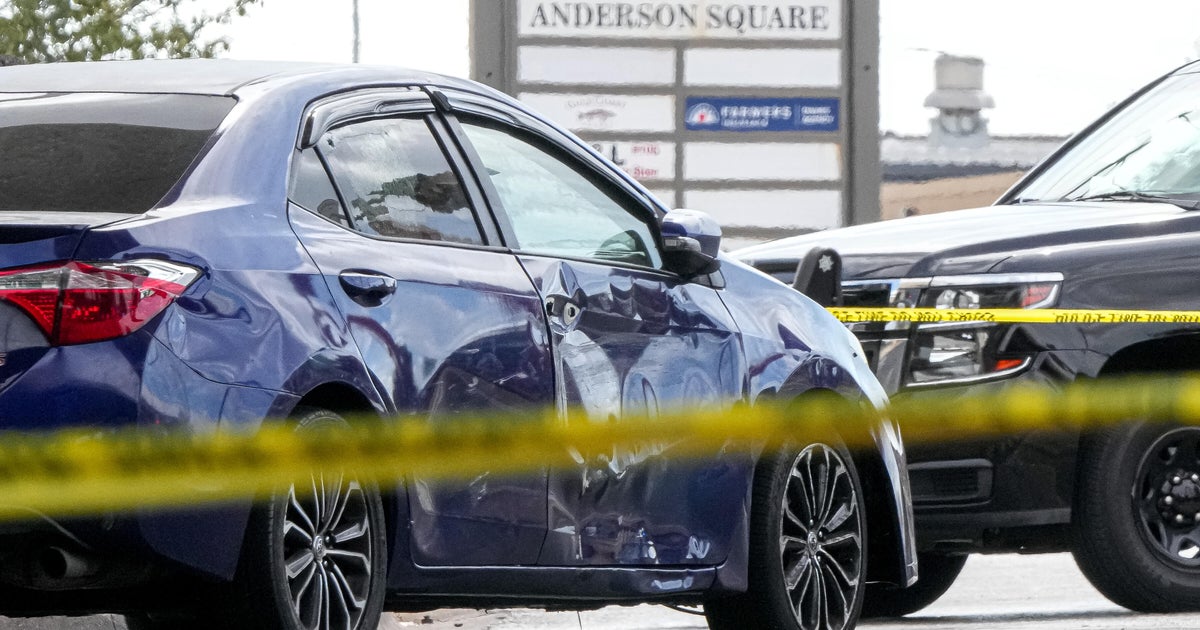
A 28-year-old Venezuelan national was transferred to a federal detention center with a bullet lodged in his back on Monday, after an Immigration and Customs Enforcement (ICE) officer shot him during a vehicle stop in Austin, Texas, on Sunday. Attorney Kate Lincoln-Goldfinch stated that her client, Wilber Rafael Garces Perez, is in significant pain and has not received adequate medical attention or pain medication at the South Texas Processing Center in Pearsall. The officer involved in the shooting has been placed on administrative leave pending an investigation led by Homeland Security Investigations (HSI) and the FBI.
The shooting occurred just before 1 p.m. Sunday in North Austin while Garces Perez was working as a DoorDash delivery driver. According to a source familiar with the incident, ICE officers were conducting enforcement operations based on license plate checks when they identified a vehicle registered to Garces Perez. The Department of Homeland Security (DHS) stated that Garces Perez had illegally entered the U.S. and was subject to a final order of removal. His attorney countered that he had entered using the CBP One app and had a work permit, but received a deportation order after missing a court hearing because the notice was sent to a previous address.
Witness video from the scene captured the sound of gunfire and showed Garces Perez handcuffed on the ground with a visible wound in his back. Lincoln-Goldfinch alleged that an unmarked vehicle rammed Garces Perez's car twice before the shooting, and that he was unaware he was interacting with law enforcement until he was shot. Local officials, including Austin Mayor Kirk Watson and Rep. Greg Casar (D-TX), have criticized the agency's tactics and called for the release of body camera footage. The Travis County District Attorney's office has requested an independent investigation to determine if any state laws were violated.
The concrete day-to-day change for affected individuals is a reported increase in "targeted immigration enforcement" during routine activities like driving or working. According to federal data cited by Rep. Casar, immigration arrests of people without criminal records reached a record high in July. For a person in Garces Perez’s position, this results in a transition from active employment with a work permit to indefinite detention in an infirmary without a bed, as he reported during a phone call from the facility. The situation highlights a procedural risk where administrative errors, such as a missed court notice due to a change of address, can lead to a final removal order and subsequent high-stakes law enforcement encounters.
The knock-on effects include increased tension between federal agencies and municipal governments. The Travis County District Attorney’s demand for a "co-equal" role in the investigation sets a precedent for how local prosecutors may challenge federal immunity in use-of-force cases. Furthermore, the removal of detainee locations from online databases, as reported by the AP, complicates the ability of legal representatives to track and assist their clients. What happens next includes the results of the HSI and FBI investigation, potential state-level inquiries by the Texas Rangers, and the scheduling of deportation proceedings for Garces Perez, though no specific court dates were reported.