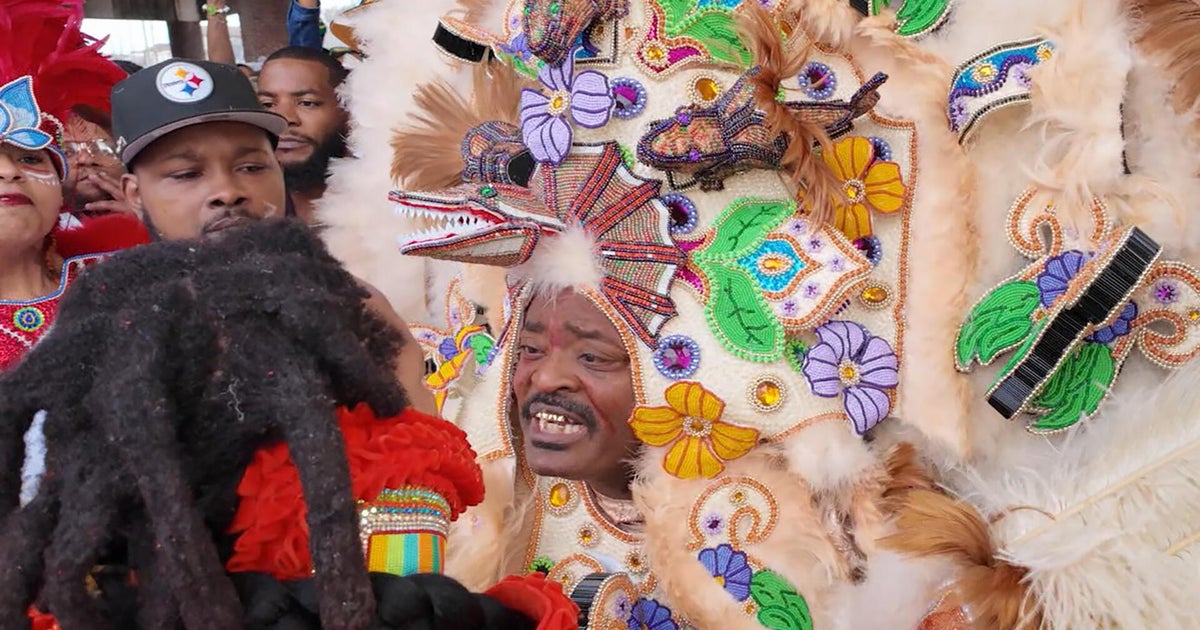
Members of the Mardi Gras Indian tribes in New Orleans participate in a long-standing tradition involving elaborate, hand-sewn suits and mock street confrontations. These groups, also known as Black Masking Indians, spend an entire year constructing detailed costumes decorated with beads, feathers, and rhinestones to debut on Mardi Gras day. During the festivities, tribes navigate the streets without fixed routes, seeking out other groups for non-physical showdowns to determine which tribe is the "prettiest" based on the craftsmanship of their attire.
The tradition is rooted in New Orleans history, with historians tracing its origins back to the 1800s. According to local lore, the practice originated as a gesture of respect toward Native Americans who provided refuge to enslaved Black individuals who had escaped servitude. Furthermore, it served as a cultural outlet for the Black community during eras when they were excluded from the city's primary Mardi Gras parade routes.
Each tribe operates with a specific hierarchy of roles during the processions. A "spy boy" moves at the front to scout for other tribes and signal back to the group using secret hand signs, while a "flag boy" transmits these signals to the "big chief," the tribe's leader. A "wild man" is responsible for clearing physical space in the crowd to allow the big chiefs from opposing tribes to face off. According to tribe members Walter Fair and Askia Bennett, the winners of these confrontations are determined by the verbal reactions and "oohs and ahs" of the observing crowd.
On a per-household basis, the cost of participation is significant, as suits are hand-sewn and detailed with expensive materials like rhinestones and large plumes of feathers. The impact is most visible to residents and visitors in New Orleans on Mardi Gras morning, when these unannounced processions move through working-class neighborhoods. Unlike traditional parades, these events do not follow city-sanctioned schedules, meaning the primary audience consists of local neighbors rather than commercial tourists.
The continued practice of these showdowns preserves a specific historical narrative regarding the intersection of Black and Native American histories in Louisiana. By maintaining these roles and signals, the tribes pass down specialized craft skills and social structures to younger generations, such as Joseph Boudreaux Jr., who recently formed his own tribe. The next major public display is scheduled for the next Mardi Gras day, though specific times and locations remain unlisted to preserve the tradition's spontaneous nature.