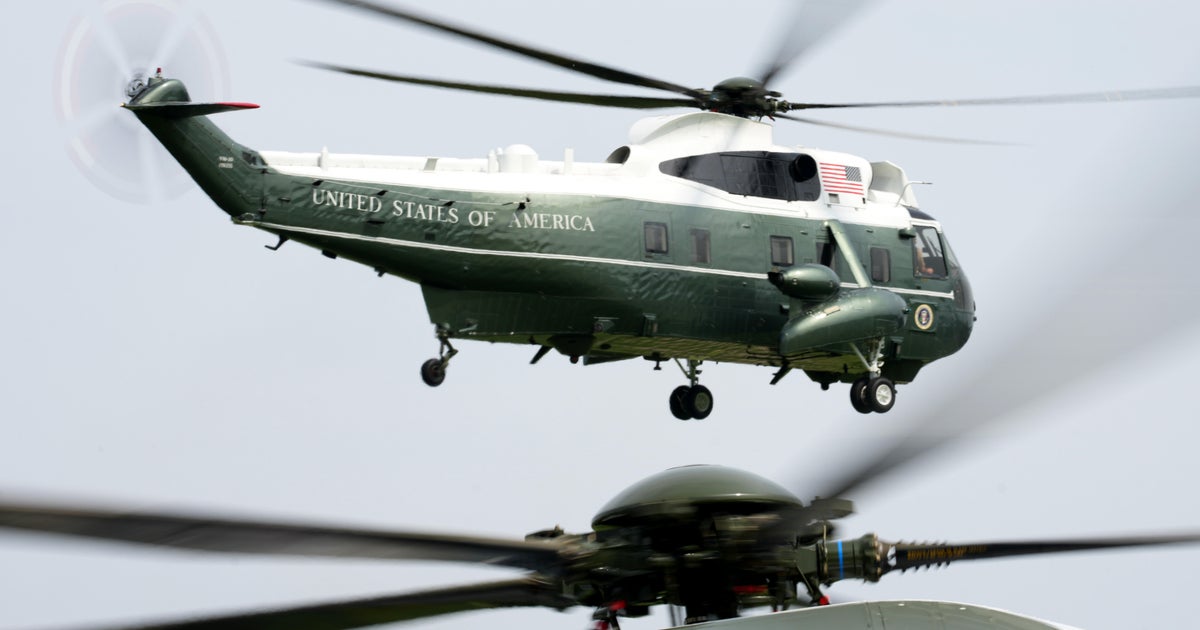
President Donald Trump’s Marine One helicopter experienced radio communication difficulties with air traffic controllers on Thursday, marking the second such occurrence this month. During a scheduled departure from Washington, D.C., controllers did not receive the helicopter's calls, requiring another pilot to intervene to facilitate communication. The Federal Aviation Administration (FAA) confirmed in a statement that contact was eventually established before takeoff but did not elaborate on the specific radio issues.
The event took place shortly after the National Transportation Safety Board (NTSB) released findings regarding a similar incident on Aug. 4. In that earlier case, Marine One, with the president on board, flew within one mile of a commercial jet departing from Ronald Reagan Washington National Airport. The NTSB report stated that the helicopter's initial radio transmission was not received and a second attempt was "broken and completely unreadable."
FAA technicians attributed the August communication failure to a lack of "adequate line-of-sight" for transmissions from the Ellipse. This lawn near the White House has served as the temporary launch site for Marine One due to ongoing construction at the executive mansion. On Aug. 11, Transportation Secretary Sean Duffy stated that a fix involving antenna interference had been implemented to prevent a recurrence of the problem.
For the traveling public and nearby residents, these technical failures highlight potential safety risks in one of the most heavily monitored flight corridors in the world. A person aboard a commercial flight at Reagan National Airport would notice the effects of these lapses only if they resulted in a sudden change in flight path or a delay in takeoff. The recurrence of the issue on Thursday suggests that the technical solutions previously announced by the Department of Transportation have not yet fully resolved the signal interference caused by new infrastructure or the temporary relocation of the landing zone.
The knock-on effects include continued scrutiny of FAA and NTSB safety protocols regarding executive transport. If the "line-of-sight" issues at the Ellipse cannot be reliably corrected, it may force a change in where the president is permitted to board aircraft during White House construction. What happens next depends on the findings of a new NTSB investigation into the Thursday incident. No specific deadlines for a final report or new technical adjustments were provided, though the FAA maintains that communications were established before the helicopter departed.