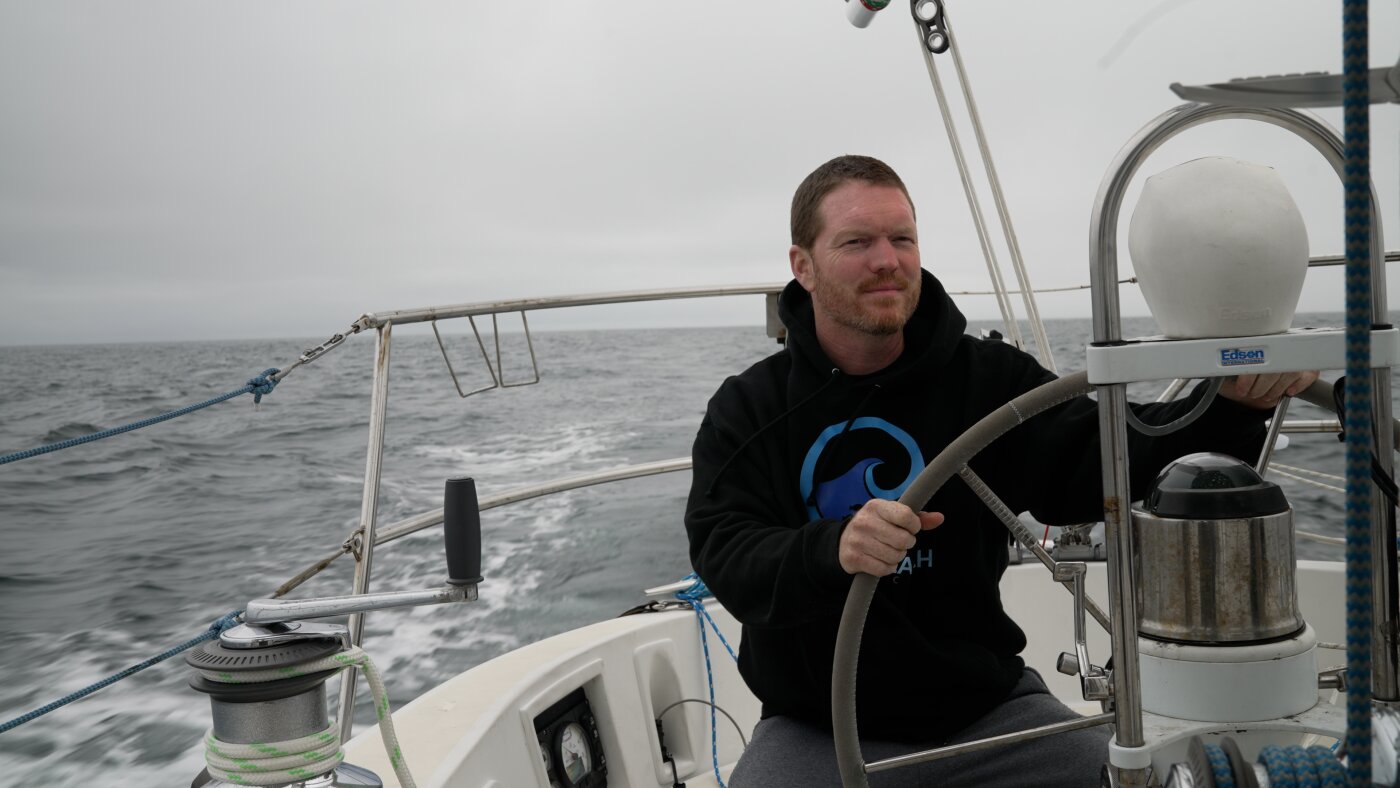
Matt Rutherford, a 45-year-old sailor from Annapolis, Maryland, is attempting to become the first person to circumnavigate the Arctic Ocean alone and unassisted. Speaking from his 42-foot sailboat in the Barents Sea, Rutherford detailed his 10,000-nautical-mile journey, which involves navigating ice floes and gales through the North Atlantic, the Russian Arctic coast, and the Northwest Passage.
The voyage serves as a fundraiser for Rutherford’s nonprofit climate science organization, the Ocean Research Project. Rutherford reported that the federal government has reduced funding for climate science over the last two years, leaving his group’s research schooner in need of a new engine and repairs. The solo trip follows a period where Rutherford’s primary work involving glacier study in Greenland was paused due to these funding constraints.
Rutherford began his journey on June 25 from the western coast of Greenland. He recently passed Norway and Sweden and entered Russian-controlled waters this past weekend. Navigation through the Northern Sea Route requires daily check-ins with Moscow and position reports to the FSB, Russia’s security service, when near the shore. Rutherford noted that he expects to lose Starlink communication for several weeks while in Russian waters.
The mission highlights the logistical and political complexities of Arctic travel, where a single private citizen must navigate the regulatory requirements of the Russian government and the physical danger of ice strikes that could lead to the loss of the vessel. Rutherford uses radar for large ice and thermal binoculars for smaller hazards, but he noted that the onset of autumn will bring darkness, making visual identification of ice significantly more difficult.
What happens next depends on the timing of the seasonal freeze. Rutherford must clear the high-density ice patches of the Northwest Passage before the fall transition. If he succeeds, he will establish the first recorded solo, unassisted circumnavigation of the Arctic Ocean. Failure to stay ahead of the freezing pack ice would end the expedition and potentially leave the sailor stranded. No specific completion date was reported.