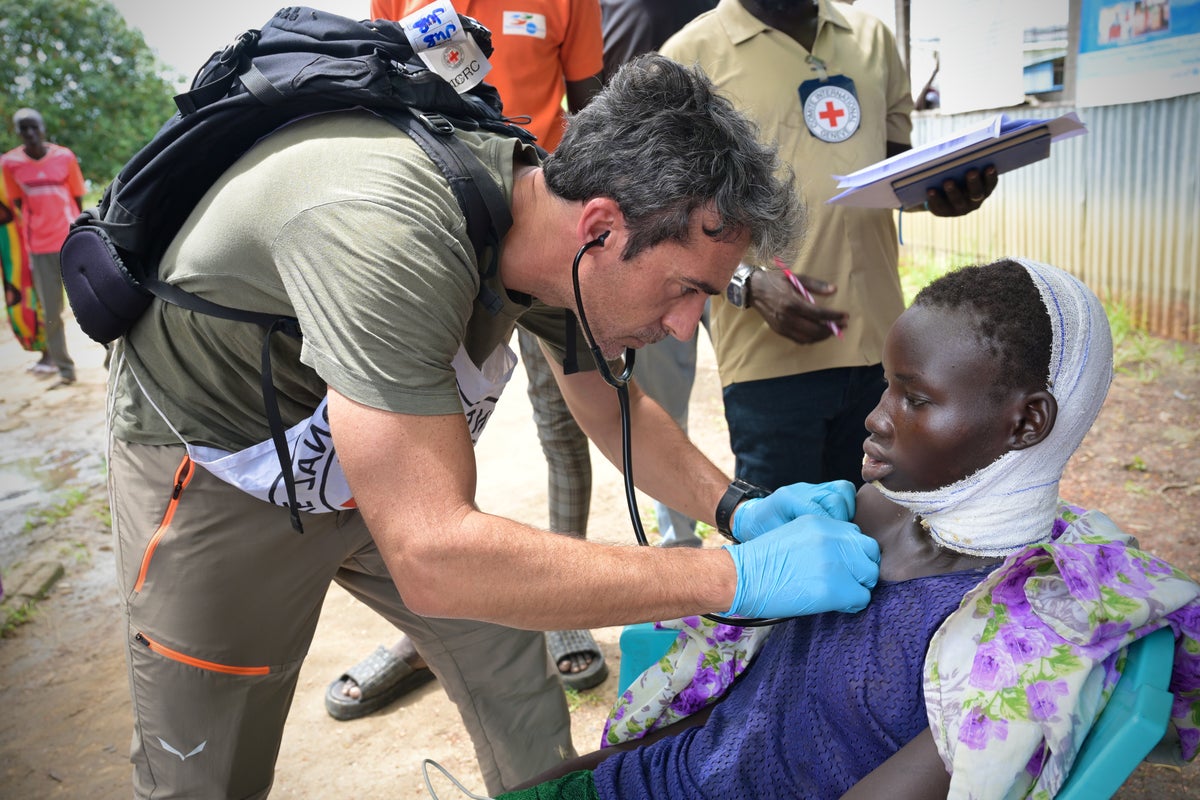
Medical facilities in South Sudan are reporting a significant increase in trauma patients as armed conflict intensifies across the country. The International Committee of the Red Cross (ICRC), a humanitarian organization, reported that hospital admissions rose by more than 50% during the first six months of 2026 compared to the same period in 2025.
The surge in casualties follows a rise in clashes between government and opposition forces in Jonglei and Upper Nile states, alongside increased intercommunal violence. United Nations officials have issued warnings regarding a potential return to full-scale civil war as the nation marks 15 years of independence. These conflicts are occurring simultaneously with environmental shocks and the arrival of approximately 1.2 million refugees and returnees from neighboring Sudan.
At Juba Military Hospital, one of the nation's primary trauma centers, staff report that more than 90% of patients arrive with gunshot wounds. The surgical department has seen a 30% increase in operations year-over-year and is currently operating beyond its maximum capacity. Paul Abraham, an assistant head nurse, stated the facility receives between 20 and 30 weapon-wounded patients per week and has managed four mass casualty incidents—events involving more than 15 simultaneous patients—since the start of the year.
The strain on the healthcare system is compounded by a reduction in global aid funds, which Rose Ochieng, ICRC health coordinator, said is causing service provision to decline across all levels of healthcare. This reduction in resources arrives at the same time as an increase in patients, meaning residents will notice fewer available staff and supplies at local clinics. Furthermore, the safety of aid delivery is at risk; five humanitarian workers were killed and four were injured in a single ambush in Jonglei State last month, which could further restrict the movement of life-saving supplies to remote areas where they are most needed.
The current situation sets a precedent of extreme pressure on the world's youngest nation as it faces the combined challenges of war, climate events, and funding cuts. If the trend of intensifying conflict continues as the UN warns, the healthcare infrastructure may face total exhaustion. The immediate focus remains on the ongoing treatment of mass casualty events and the continued arrival of refugees from Sudan. No specific dates for future peace talks or funding renewals were reported, leaving the current medical and humanitarian response in a state of high demand for the foreseeable future.