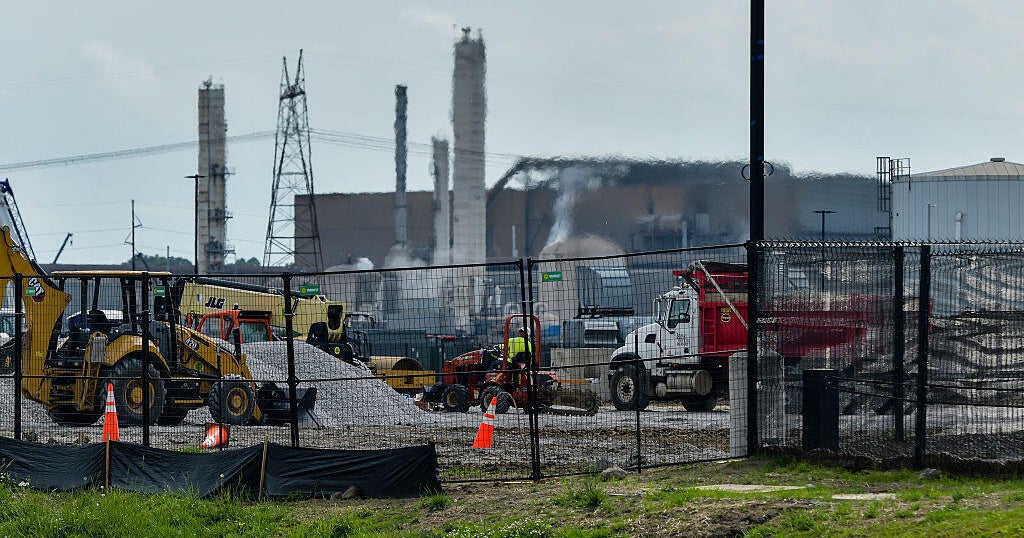
The Memphis City Council voted on Tuesday, Oct. 20, 2026, to reject a proposed 18-month moratorium on new data center development, instead passing a 135-day halt to construction. The decision followed a 6-6 tie vote on the longer-term ban, which sought to pause the expansion of facilities driven by Elon Musk's xAI.
The vote occurred amid friction between local residents and data center developers. In 2024, xAI established the "Colossus" data center in a former factory in southwest Memphis. The company also has facilities in Southaven, Mississippi. Community members and organizations like the NAACP have raised concerns regarding noise and emissions from gas-powered turbines used at these sites, leading to a lawsuit under the Clean Air Act.
The substitute ordinance passed by the council on Tuesday establishes a 135-day pause to allow for studies on the impact of data centers on air quality, electrical infrastructure, and water protection. This measure is intended to complement a 90-day study recently ordered by Memphis Mayor Paul Young. Supporters of data centers, including local union workers, argue the facilities provide infrastructure for artificial intelligence and create jobs, while opponents contend the city needs stricter zoning and environmental protections.
The scale of the development involves "hyperscale" data centers. Residents in Southaven have reportedly been offered home buyouts by xAI in exchange for not joining class-action lawsuits. For citizens, the 135-day pause means that while immediate new construction is halted, the long-term regulatory framework for these facilities remains undecided, potentially affecting property values and utility reliability.
The rejection of the 18-month ban followed a period of legal and civil tension. On Tuesday, a federal judge blocked a bid to dismiss a pollution lawsuit against xAI, and a separate ruling allowed previously barred activists to attend the council meeting. What happens next involves the completion of the mayor's 90-day study and the council's development of zoning regulations, with a deadline for new legislation expected before the 135-day halt expires.