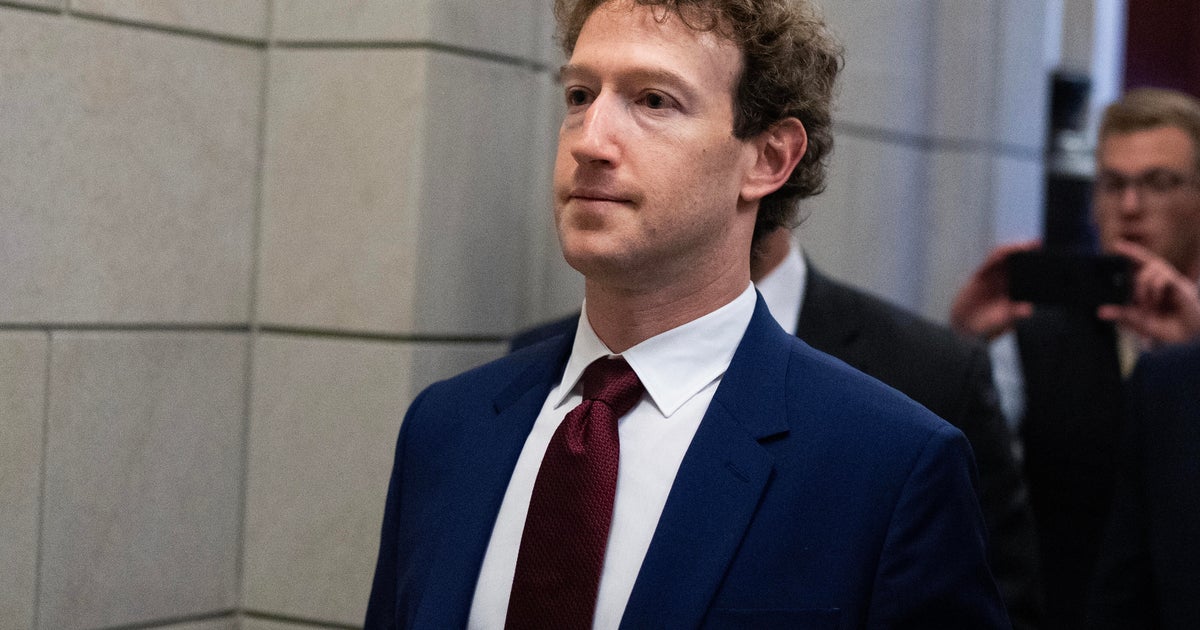
Meta CEO Mark Zuckerberg outlined a vision for the future of artificial intelligence in a 6,500-word essay published Monday, advocating for "superintelligence" tools to be shared broadly with the public and private sectors. The post argues that widespread access to advanced AI will support national security and economic growth while assisting individuals with health, finance, and career management.
The essay comes as major technology companies, including Meta, Alphabet, Amazon, and Microsoft, compete to develop AI models and build the infrastructure required to support them. These efforts have faced public opposition in some regions due to environmental and economic concerns regarding the construction of large-scale data centers.
Zuckerberg stated that Meta intends to provide free versions of its AI tools to "billions of people" and plans to offer technology access at the "lowest price possible." To address privacy concerns, he pledged to develop a "fully private mode" for personal AI agents, which he said would prevent Meta and other providers from viewing a user's personal information. Zuckerberg also addressed workforce concerns, stating that superintelligence would act as a "tool of invention" that creates new job categories rather than simply automating existing ones.
To manage the physical impact of AI development, Zuckerberg announced the creation of the "Future is for Everyone Fund," a $1 billion investment initiative aimed at benefiting communities where Meta builds data centers. The company’s 2026 capital spending budget, totaling $145 billion, is designated primarily for data center construction. Additionally, Zuckerberg committed to keeping electricity prices low, restoring local water supplies, and providing job training for local workers in these areas.
The shift toward smaller, AI-enabled companies could change the day-to-day experience for workers. Zuckerberg projects that while individual company sizes may shrink, the total number of employers will increase, potentially altering the traditional corporate structure for employees in various sectors. Users will notice a change in how they interact with technology through personal AI agents that manage sensitive data, though the effectiveness of the promised "fully private mode" will depend on Meta’s technical implementation and its ability to keep data hidden from its own systems.
The strategy also signals a shift in how U.S. tech firms interact with the government. Zuckerberg proposed sharing "intermediate training checkpoints" of new AI models with federal authorities to identify security risks early. This sets a precedent for collaboration between private AI labs and law enforcement to monitor for misuse. Next steps include the expected launch of "Muse Glimmer" and an open-weight version of the "Muse Spark 1.2" coding model, as Meta plans to resume the release of open-source models in the near future.