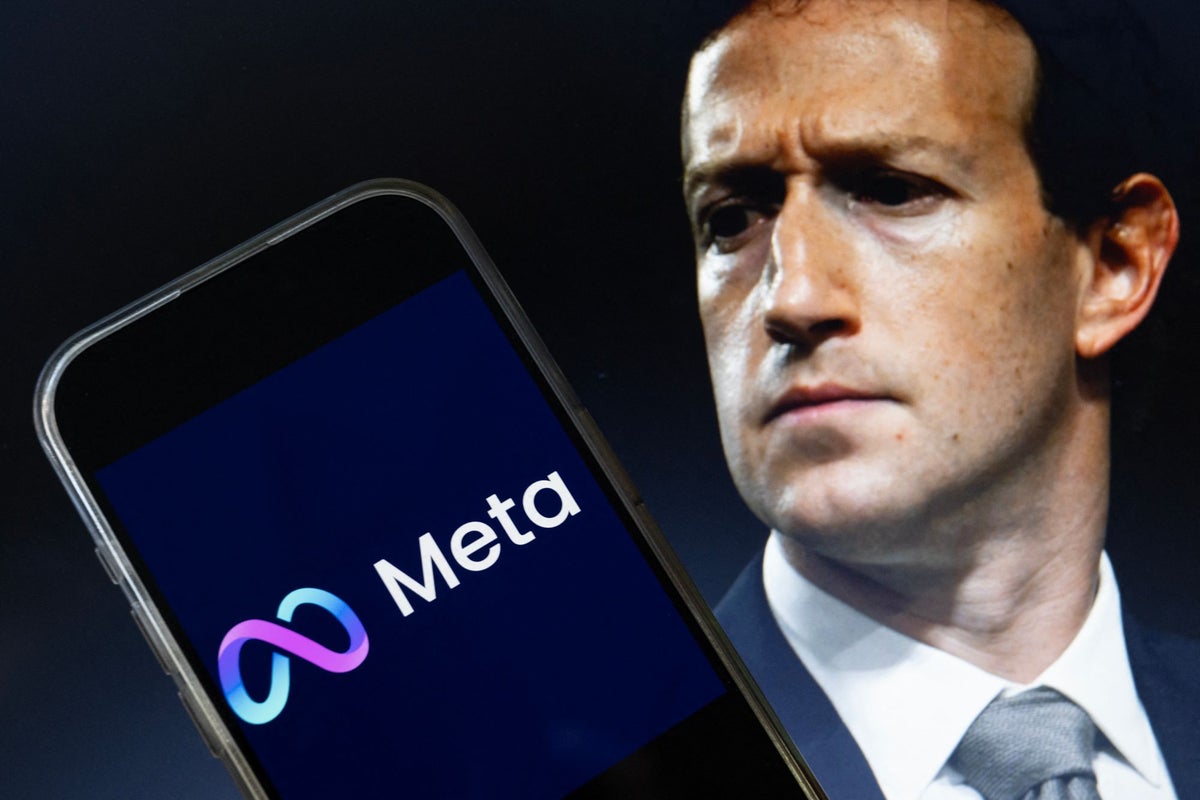
A federal trial is scheduled to begin Tuesday in Oakland, California, where four states are suing Meta Platforms, the parent company of Facebook and Instagram. The lawsuit, brought by California, Colorado, Kentucky, and New Jersey, alleges that Meta knowingly designed features to addict children to its platforms and illegally collected data on users under the age of 13 without parental consent. The states are seeking significant operational changes to the platforms and financial damages that Meta estimated in a legal filing could theoretically reach $1.4 trillion.
The litigation follows three years of legal action initiated by dozens of states. The Oakland trial represents the first group of plaintiffs, while another 25 states are expected to go to trial at a later date. Meta has disputed the allegations, stating that the company has worked with experts, parents, and law enforcement to develop safety tools. The company recently reported that legal expenses contributed to a $2.4 billion impact on its profits, and it has indicated it plans to appeal recent unfavorable rulings in other jurisdictions.
Legal experts noted that the $1.4 trillion figure cited by Meta is nearly equivalent to the company's entire market capitalization. While the states are pursuing these damages under child privacy, false advertising, and unfair competition statutes, law professors James Grimmelmann and Rebecca Allensworth suggested that a penalty of that magnitude is unlikely, as it would potentially force the company into bankruptcy. Meta has characterized the potential penalty as having no analog in the history of consumer protection enforcement.
For Meta, the financial scale of the litigation is significant. The $1.4 trillion theoretical maximum penalty, if even partially realized, would be assessed against a company that recently reported $2.4 billion in legal costs. While experts like Cornell's James Grimmelmann believe a maximum award is improbable, even a fraction of that amount would represent a historic penalty for a technology company. Any financial judgment or required operational overhaul would likely set a precedent for how tech companies handle youth data and engagement features across the United States, potentially shifting the legal responsibility for social media addiction from parents to the platforms themselves.
The trial beginning this Tuesday will focus on specific violations of state and federal law, rather than general negligence. A jury in a separate "bellwether" case in Los Angeles recently awarded $6 million to a single plaintiff, finding Meta and Google's YouTube negligent in their platform designs. The Oakland case will determine if Meta's business practices violated statutes regarding unfair competition and child privacy. Following the conclusion of this trial, the court will decide on any financial penalties or structural remedies, while the remaining 25 states will wait for their own trial dates to be set. Meta has already stated its intention to appeal adverse findings.