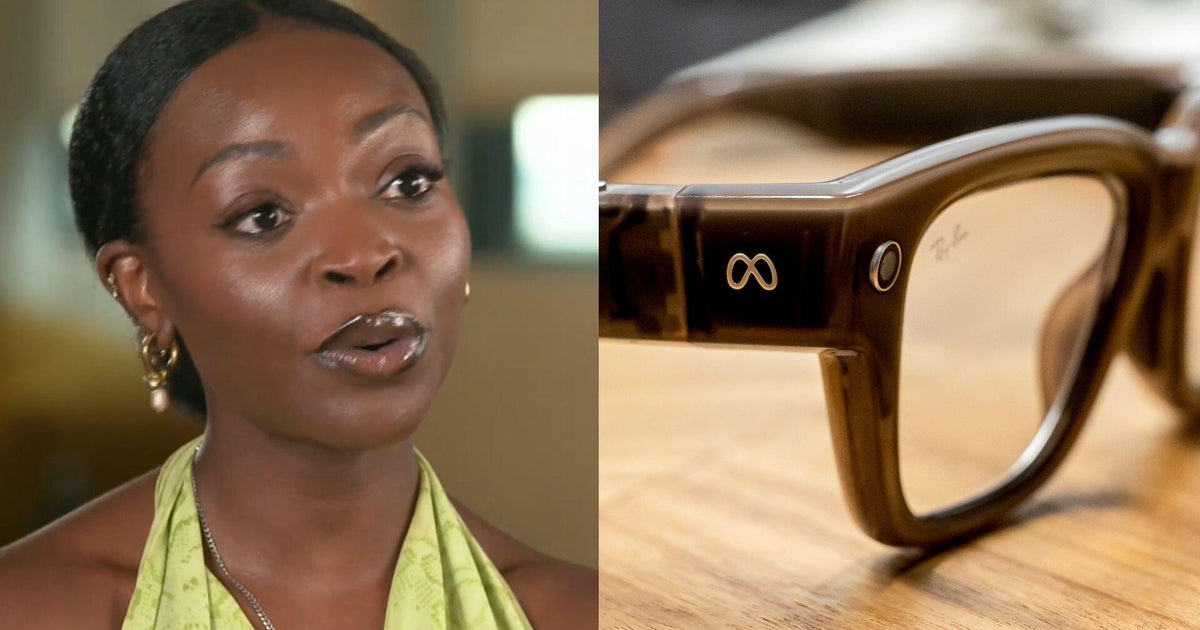
A woman who was filmed without her knowledge by a man wearing Meta AI-powered smart glasses has raised concerns regarding the technology's impact on personal privacy. Toluwa Omitowoju stated she only discovered the footage after it was posted to social media and shared by acquaintances, eventually reaching over 200,000 views across multiple platforms. The video, which depicted a "pickup line" interaction, was later removed from the internet.
The incident follows a reported trend where content creators use wearable technology to record members of the public for social media content. Omitowoju said she was never asked for consent before the video was published and noted that other women have reported similar encounters where footage was uploaded by anonymous accounts. In response to such incidents, Instagram head Adam Mosseri stated in July that the platform would remove content that harasses people or takes advantage of them through surreptitious filming.
Meta, the parent company of Instagram and the manufacturer of Ray-Ban Meta glasses, maintains that privacy and data protection are central to their products. The devices include a light-emitting diode (LED) that activates during recording. Meta stated that the glasses are equipped with software designed to disable recording if this light is covered or obstructed. However, testing by CBS News indicated that if the light is covered after a recording has already begun, the capture may continue. Meta clarified that the tamper detection is designed to prevent a recording from starting if the LED is obscured beforehand.
The legal and day-to-day reality for residents in most U.S. states is that "one-party consent" laws allow a person to record an interaction as long as the person filming knows it is happening. This means a bystander or a participant in a conversation may not have a legal right to stop a recording or be notified that it is occurring. Users of these platforms may notice changes in content moderation, as Instagram has pledged to remove videos deemed to be harassing or invasive. However, the effectiveness of hardware safeguards, such as the recording LED, remains a point of technical dispute between the manufacturer and independent testers.
The situation has also drawn the attention of state law enforcement, creating a potential precedent for how wearable cameras are regulated. In May, Texas Attorney General Ken Paxton initiated an investigation into whether the Ray-Ban Meta glasses violate state privacy laws, specifically citing concerns about covert filming in private settings like bathrooms. What happens next depends on the outcome of that investigation and Meta's stated efforts to "improve this technology." No specific dates for the conclusion of the Texas investigation or the release of software updates have been reported.