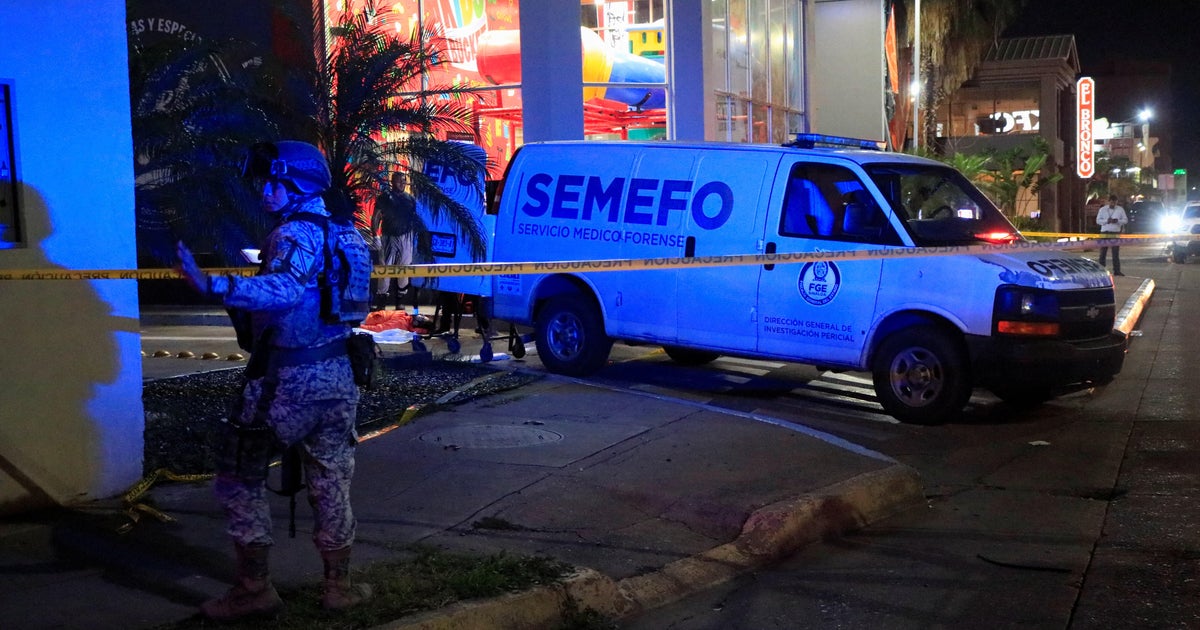
Authorities in Mexico announced Wednesday the arrest of a man suspected of killing social media influencer Cesar Gastelum during a live broadcast earlier this month. The suspect was located and detained in the central state of Puebla following an operation that involved a shootout between police and three armed individuals. Security Minister Omar Garcia Harfuch stated that one of the armed individuals was killed by police during the arrest, while the primary suspect and one other person were taken into custody.
The incident occurred on August 4 in Culiacan, the capital of Sinaloa state, while Gastelum was livestreaming to his more than 500,000 TikTok followers. According to footage reviewed by Reuters, Gastelum was participating in a social media challenge with two friends and was dressed as a food delivery worker when a person on a motorcycle stopped and fired a gun at him. The Sinaloa region is currently experiencing a conflict between factions of the Sinaloa Cartel, an organization founded by Joaquin "El Chapo" Guzman.
Mexico’s security secretariat stated that preliminary investigations suggest Gastelum was targeted due to social media posts that mentioned a specific faction of a criminal group. During the arrest in Puebla, authorities reported seizing three firearms, ammunition, and vehicles. This arrest follows a series of violent incidents involving influencers in Mexico, including the 2025 killing of Valeria Marquez, which officials also linked to organized crime.
For residents and public figures in states like Sinaloa, the scale of the violence is significant, as a war between cartel factions has resulted in thousands of deaths and disappearances. The impact is felt through a climate of "narco-culture" where influencers may be intimidated or targeted for perceived affiliations. Individuals in these regions may notice an increased military or police presence as President Claudia Sheinbaum attempts to contain the violence, yet the threat of score-settling remains a factor for those with high public visibility on digital platforms.
The legal proceedings for the suspect arrested in Puebla will follow Mexican judicial protocols, though specific court dates were not reported. This case sets a precedent for how Mexican federal authorities, led by Security Minister Garcia Harfuch, coordinate across state lines to apprehend suspects linked to cartel violence. Future safety for digital creators in Mexico may depend on the government's ability to manage these criminal factions, as evidenced by prior threats such as the January 2025 incident where leaflets were dropped in Culiacan warning 20 artists and YouTubers against interacting with specific cartel groups.