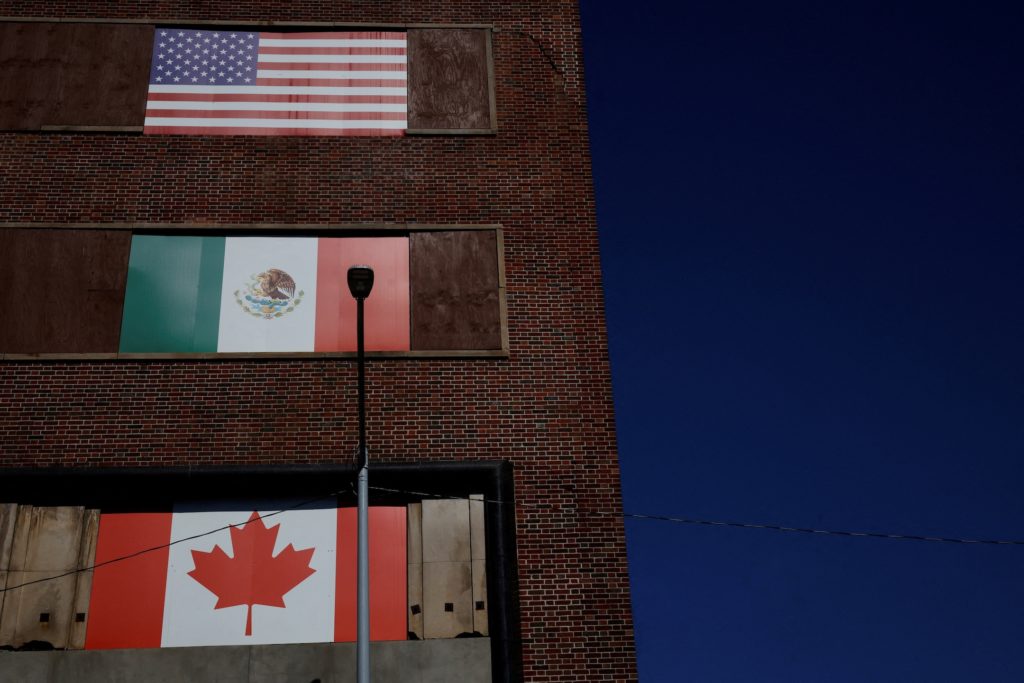
Mexican Foreign Secretary Roberto Velasco Álvarez stated on Friday, September 25, 2026, that Mexico is continuing engagement with the United States despite the postponement of trade talks. The review of the U.S.-Mexico-Canada Agreement (USMCA), originally slated for the following week, has been delayed, with reports indicating it may occur in October.
The current friction follows President Trump's decision to discard the USMCA trade agreement after retaking office, subsequently imposing tariffs on Mexico and Canada. During the United Nations General Assembly, Trump characterized Mexico as the "epicenter of cartel violence," while his administration has designated eight Mexican cartels as foreign terrorist organizations, a framework used to justify potential military action.
Velasco Álvarez challenged the characterization of Mexican security, citing a decrease of over 50 percent in the homicide rate during the past two years of the Sheinbaum administration. Regarding potential U.S. military intervention, the Foreign Secretary emphasized that security cooperation must respect Mexico's "territorial integrity" and sovereignty. He also noted that Mexico is taking legal action regarding the deaths of 17 Mexican nationals in the custody of U.S. Immigration and Customs Enforcement (ICE) or during agency raids.
The 17 Mexican nationals who died in ICE custody or during raids have prompted the Mexican government to file complaints with state prosecutors and send cease-and-desist letters to detention centers. These legal actions and the demand for investigations concern human rights standards for foreign nationals held in U.S. detention facilities.
Furthermore, the potential for U.S. military action against cartels, under the foreign terrorist organization designation, marks a shift in regional security policy. While Mexico continues to communicate with other trading partners, including Southeast Asian nations, the immediate focus remains on the rescheduled USMCA talks. Those discussions, now expected in October, will address the future legal framework for cross-border trade.