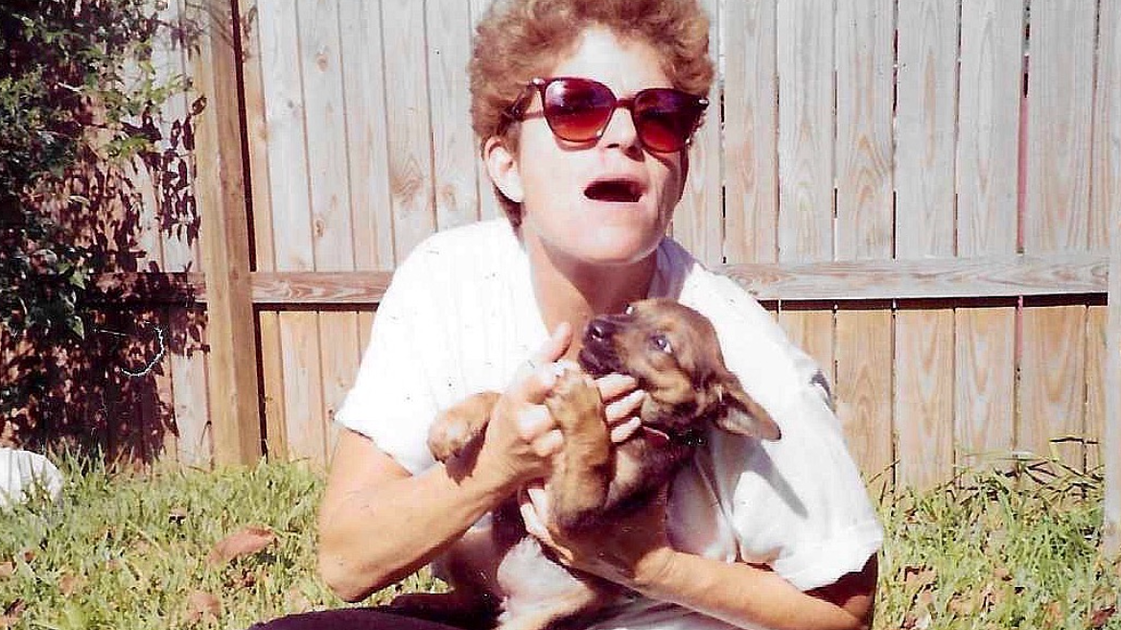
A report following the death of a 69-year-old woman in Miami has highlighted the isolation and financial challenges facing older LGBTQ+ adults. Carol, a former adjunct lecturer, died in her home of acute peritonitis caused by untreated rectal carcinoma, according to an autopsy report. Her body was discovered four days after her death when a neighbor reported her dog’s barking and an unusual odor to authorities.
The circumstances surrounding Carol's death were detailed by her niece, Michelle Tamara Cutler, who found that her aunt had been living in a foreclosed condominium at the time of her passing. Carol had spent decades living alone following a long-term relationship in the 1980s. Despite a career as a psychology major and educator who taught English composition at the University of Miami and Florida International University, she was an underpaid adjunct lecturer without benefits in her later years.
According to family accounts, Carol entered a sham marriage in 1967 to satisfy her parents' expectations before becoming open about her sexuality around 1970. Advocacy groups such as SAGE and the Movement Advancement Project categorize individuals born in the 1930s and 1940s as the "Silenced Generation," noting they reached adulthood when homosexuality was classified as a mental disorder. This history of public shaming and pathologization often contributed to a distrust of institutions and medical professionals among this demographic.
The financial scale of the problem is reflected in the employment conditions of adjunct faculty, who often work without health benefits or long-term job security. In Carol's case, the loss of her teaching contract preceded her isolation and the foreclosure of her home. Readers who are aging LGBTQ+ individuals or their family members may notice these impacts through increased housing instability and a lack of access to preventative medical care. While LGBTQ+-specific retirement communities are increasing, they remain inaccessible to those without significant retirement funds or local access to advocacy groups like SAGE.
The legal and social environment for this group continues to evolve. The American Civil Liberties Union (ACLU) is currently monitoring more than 550 bills in state legislatures that affect LGBTQ+ rights. Additionally, FBI data showed an increase in hate crimes against LGBTQ+ people in 2023, even as general violent hate crime rates decreased. These factors may influence how older adults interact with public institutions and seek help. Moving forward, advocacy organizations continue to seek expanded services, though availability remains inconsistent across different regions of the country.