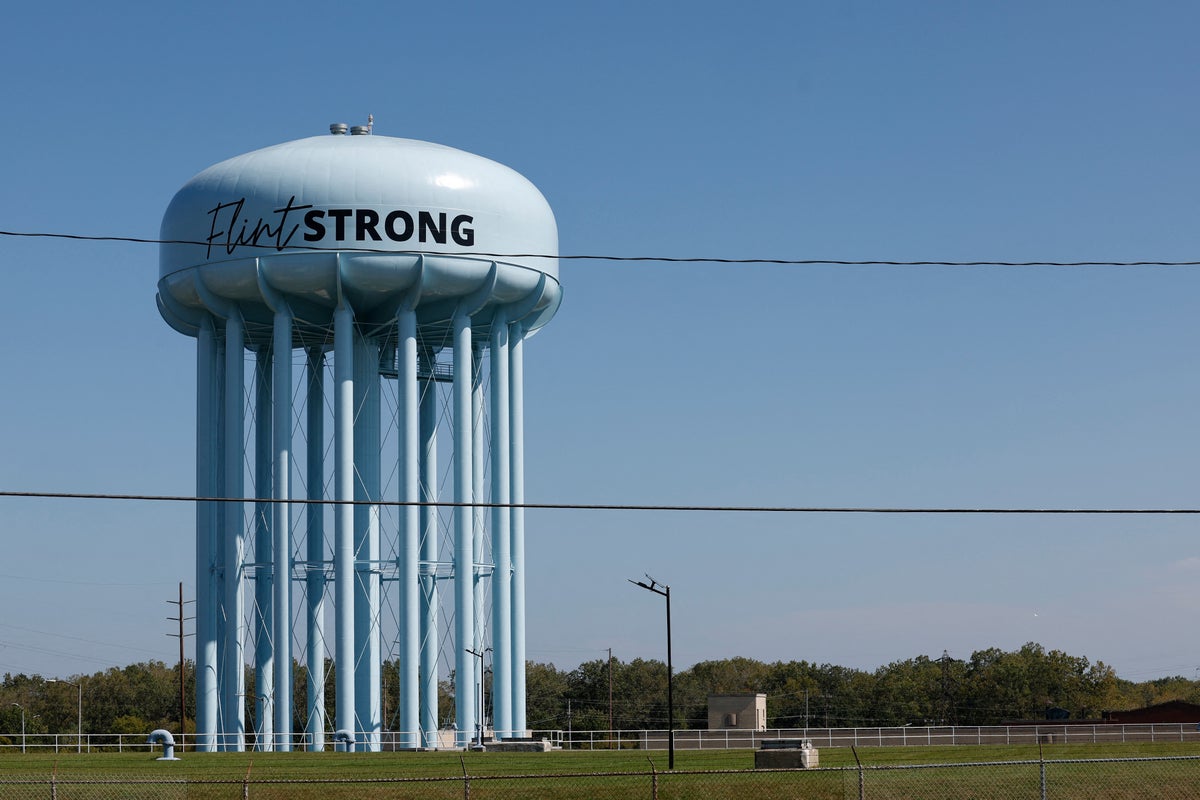
Michigan Attorney General Dana Nessel (D) released a 101-page report on Tuesday detailing the state’s investigation into the Flint water crisis. Nessel stated the document represents the final action her office can take regarding legal accountability for the 2014 disaster. The report outlines the history of the crisis, the response by local and state officials, and the unsuccessful efforts to pursue 42 felony and misdemeanor charges against nine individuals.
The crisis began in 2014 when Flint, under state financial control, switched its water source to the Flint River to reduce costs. The river water caused lead to leach from aging municipal pipes, resulting in health issues for residents. Although state health officials initially maintained the water was safe, medical reports later confirmed elevated lead levels in the blood of local children. Former Governor Rick Snyder (R) acknowledged the issue in September 2015 and declared a state of emergency in early 2016.
The legal process faced a significant setback in 2022 when the Michigan Supreme Court unanimously dismissed charges against Snyder and eight others. The court ruled that the "one-person grand jury" system used by prosecutors did not have the authority to issue indictments. Nessel, who took office in 2019 and appointed a new team of attorneys to the case, defended the strategy on Tuesday as the best option at the time. She noted that three of the justices who joined the ruling were originally appointed by Snyder.
The scale of the crisis involved approximately $170 million in federal funding authorized by Congress to repair water infrastructure in the city. The civil settlement, valued at over half a billion dollars, was distributed among residents who suffered health impacts or property damage. However, the report clarifies that the state’s attempt to hold specific leaders, including a former governor, personally accountable through the court system has reached its legal limit following the state Supreme Court’s intervention.
The document serves as a permanent public record of millions of documents and grand jury evidence that were previously unavailable to the public. The delay in releasing the summary, originally expected in 2024, was attributed to the need to redact secret grand jury information. While no further charges will be filed, the crisis has already prompted other municipalities across Michigan and various states to re-evaluate their own drinking water delivery systems and lead pipe infrastructure. As of Tuesday, there are no further court dates or legislative actions scheduled regarding the criminal investigation.