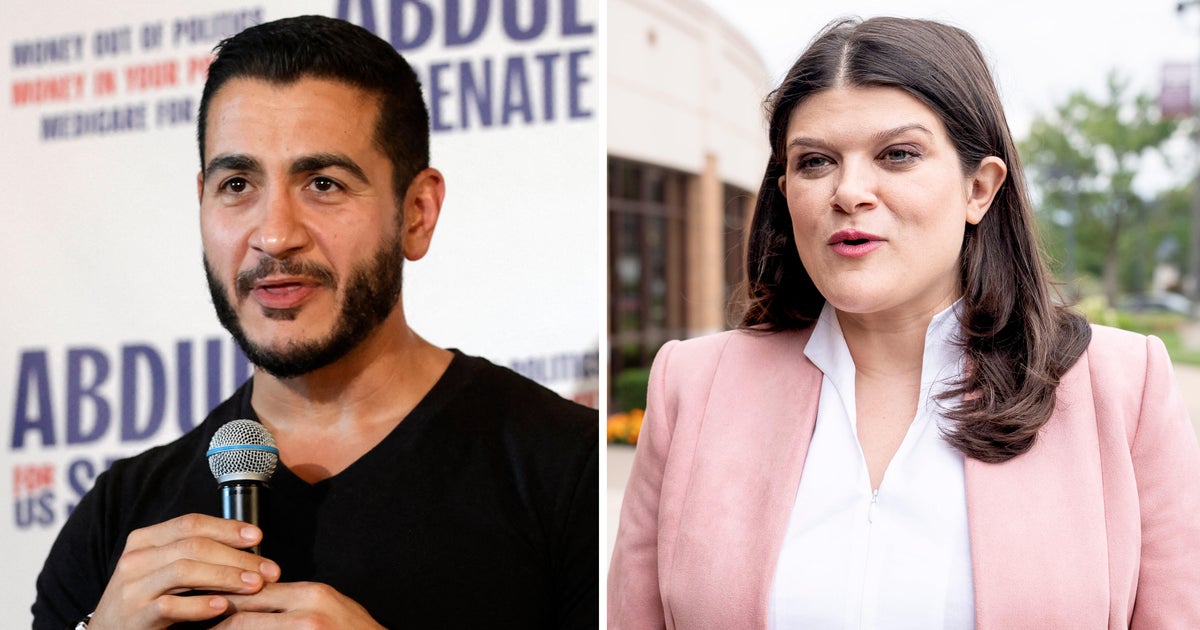
Michigan Democratic Senate nominee Abdul El-Sayed and U.S. Rep. Haley Stevens (D-MI) exchanged public criticism on Friday, several months after their primary contest. Stevens, who lost to El-Sayed in August, called on the nominee to apologize for past comments regarding Israel and to condemn a political advertisement from an outside group. El-Sayed responded by stating that Stevens appeared to be "intent on relitigating" their primary race rather than focusing on the general election against Republican nominee Mike Rogers.
The disagreement followed a primary election in which El-Sayed, a doctor and former Detroit health director, defeated Stevens by approximately 15,000 votes, or about 1 percentage point. While Stevens endorsed El-Sayed shortly after the primary, the two have not appeared together since a party breakfast on August 6. During the primary, Stevens received more than $60 million in outside spending support, including over $30 million from the American Israel Public Affairs Committee (AIPAC).
Stevens demanded Friday that El-Sayed apologize for suggesting that U.S. aid to Israel contributes to the high cost of healthcare, education, and childcare in Michigan. She also urged him to condemn a grocery-themed video ad from Rebellion PAC that connects food prices to military aid for Israel, and to remove his own campaign ad featuring Tucker Carlson. El-Sayed’s campaign stated it is not affiliated with Rebellion PAC, saying "no one speaks for Abdul but himself."
For Michigan residents, this rift highlights differing positions on U.S. foreign policy that could impact future legislative priorities regarding military aid and domestic spending. A person living in the state might notice these tensions reflected in targeted campaign advertisements or at local get-out-the-vote events. The conflict also involves household-level political divides, as exemplified by Stevens' fiancé, Jason Turkish, publicly stating he will vote for Rogers while Stevens herself maintains she will vote for El-Sayed.
The outcome of this race will help determine the balance of power in the U.S. Senate. If the party remains divided, it could set a precedent for how future primaries in the state are handled regarding foreign policy debates. The next scheduled event for the two Democrats was a joint appearance at a Detroit church on Sunday with Rep. Jim Clyburn (D-SC), though El-Sayed's campaign has reportedly asked Stevens to stay away from future campaign events following her statements.