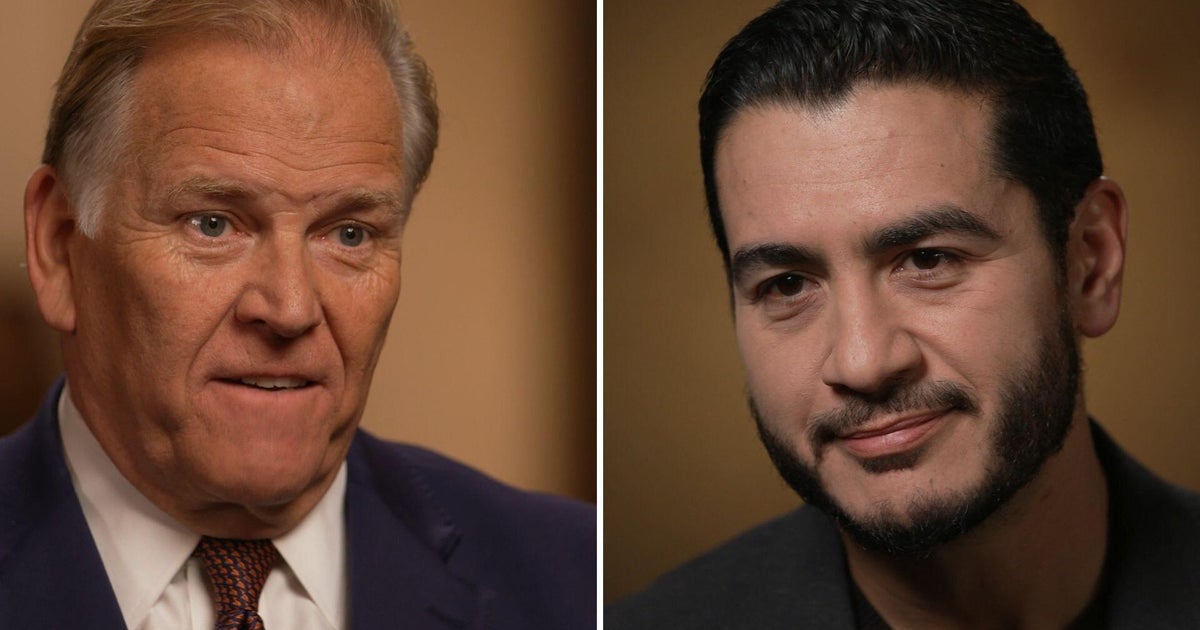
Democratic candidate Abdul El-Sayed and Republican candidate Mike Rogers participated in separate interviews with 60 Minutes to discuss their campaigns for a U.S. Senate seat representing Michigan. During the conversations, which were filmed in late October, the candidates addressed issues including the economy, healthcare, and foreign policy. Following the broadcast on Sunday, November 1, 60 Minutes released extended versions of the interviews and a fact-checking report to address several disputed claims made by both men.
The contest is for the seat currently held by Democrats, which Rogers is attempting to win for the Republican party for the first time in 25 years. The race has intensified recently following a rift between El-Sayed and his former primary opponent, Rep. Haley Stevens (D-MI). On Sunday, Stevens appeared at a Detroit church service to endorse Rogers, stating that she did not "belong in Abdul's campaign." Senate Minority Leader Chuck Schumer (D-NY) described the endorsement as a "despicable betrayal."
During his interview, Rogers claimed El-Sayed had ties to the Muslim Brotherhood, citing a 2012 letter. Reporting by 60 Minutes found El-Sayed was one of 46 Egyptian-Americans who signed a letter to then-President Mohamed Morsi urging action against former authoritarian allies; the group was not designated as a terrorist entity by the U.S. at that time. El-Sayed denied any ties to the group and has disavowed it. Rogers also characterized El-Sayed as a "Democrat Socialist," a label El-Sayed rejected, stating, "I'm a capitalist." While El-Sayed called for defunding the police in 2020, he told the program he now views it as an "unnuanced slogan" and advocates for increased police funding.
El-Sayed claimed during his interview that Rogers "made 14 million bucks" and moved to Florida after leaving Congress in 2015. 60 Minutes reported that while Rogers' household net worth is estimated between $7 million and $14 million, they could not verify the $14 million earnings figure. El-Sayed also alleged that the utility company DTE "buys off almost every politician" in Michigan. Reporting confirmed DTE and its PAC make extensive contributions to a majority of state legislators but found no evidence of improper payments in exchange for specific votes or regulatory decisions.
For the average Michigan voter, the candidates' proposed policies could lead to noticeable changes in household expenses and public services. Rogers has proposed a "gas holiday" and agricultural rebates to offset fuel costs, while El-Sayed has criticized utility rate hikes, claiming DTE raised rates faster than 46 other states over two decades. Residents would also see a shift in education and labor policy depending on the winner; Rogers has pledged to prioritize a national reading literacy plan and reintroduce "shop" classes in high schools to address a lack of skilled trade workers.
The race is also serving as a test of political coalitions and campaign rhetoric. The endorsement of a Republican by a sitting Democratic Representative like Stevens sets a rare precedent in a high-stakes Senate race. Additionally, the candidates are navigating national issues like the Iran conflict, which Rogers argues is a primary driver of inflation and fuel prices. Voters in Michigan will decide the winner when polls close on Tuesday, November 3, concluding a race that has seen significant spending and high-level endorsements from figures such as Donald Trump and Bernie Sanders.
What happens next: Michigan voters will go to the polls on Tuesday, November 3. The winner will serve a six-year term in the U.S. Senate starting in January. Results are expected to be reported shortly after polls close, though the margin in recent polls and the closeness of the primary suggest a competitive final count.