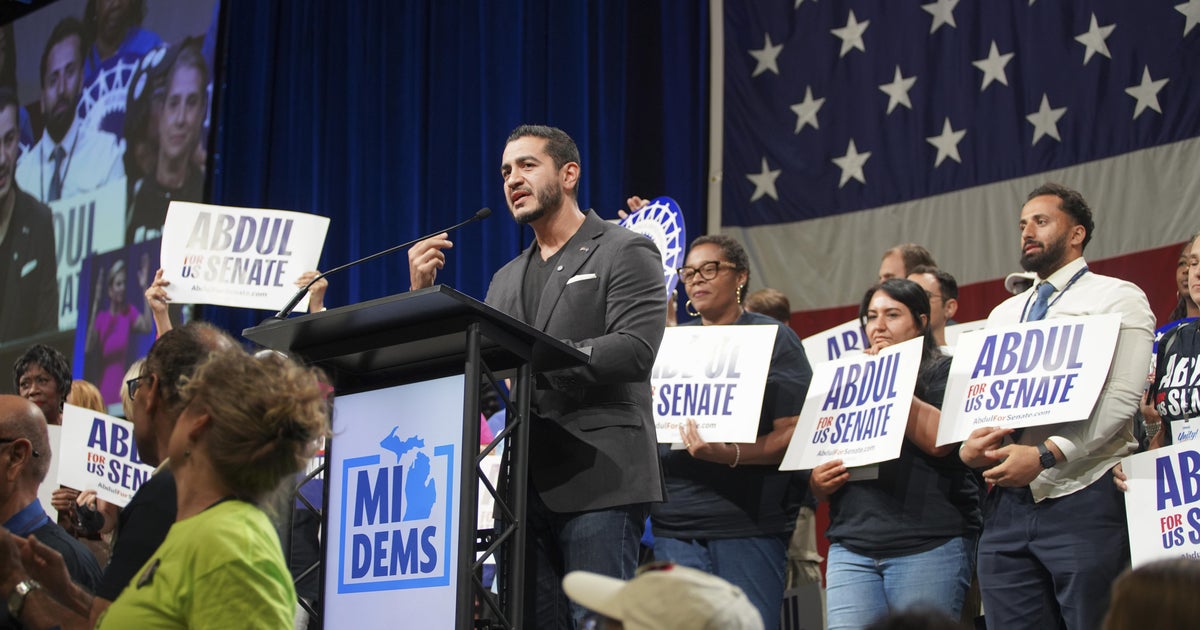
Abdul El-Sayed, the Democratic nominee for the U.S. Senate in Michigan, issued an apology on Saturday to the Michigan Jewish Democratic Caucus regarding remarks he made following an attack on a synagogue. The apology took place during the Michigan Democratic Nominating Convention in Lansing, where El-Sayed addressed caucus members and reporters.
The situation originated in March after Ayman Mohammad Ghazali attacked Temple Israel, a synagogue in a Detroit suburb. Ghazali rammed his car into the building and opened fire on a security guard before dying by suicide. Reporting at the time indicated Ghazali had lost four relatives in an Israeli airstrike in Lebanon the previous week. In a video response following the incident, El-Sayed condemned the attack but included the phrase "hurt people hurt people" to describe Ghazali’s motivations.
Critics of El-Sayed stated that his initial comments served to justify the attack on the synagogue. On Saturday, El-Sayed told reporters that his comments may have been "misconstrued to justify something I did not mean to justify" and expressed regret to anyone who found them hurtful. He stated that while he was attempting to provide context for the event, he recognized it was not the appropriate time to do so.
The scale of the impact involves the voting population of Michigan, a key battleground state where the margin of victory in Senate races can be narrow. While the source does not provide a specific dollar amount or the exact number of caucus members, the political stakes involve the potential for a unified or divided Democratic base in a race against Republican nominee Mike Rogers. For an individual voter, this shift in rhetoric may influence their perception of the candidate’s ability to represent diverse religious and ethnic communities in the Senate.
The concrete change for Michigan residents is the move toward a consolidated Democratic platform ahead of the November election. Residents will notice a focus on party unity rather than the intra-party disputes that characterized the primary. The knock-on effects could influence how other candidates handle sensitive international issues and domestic security incidents in their campaigns. The next steps in this process include the general election, where El-Sayed will face Rogers; however, the source does not list a specific election date.