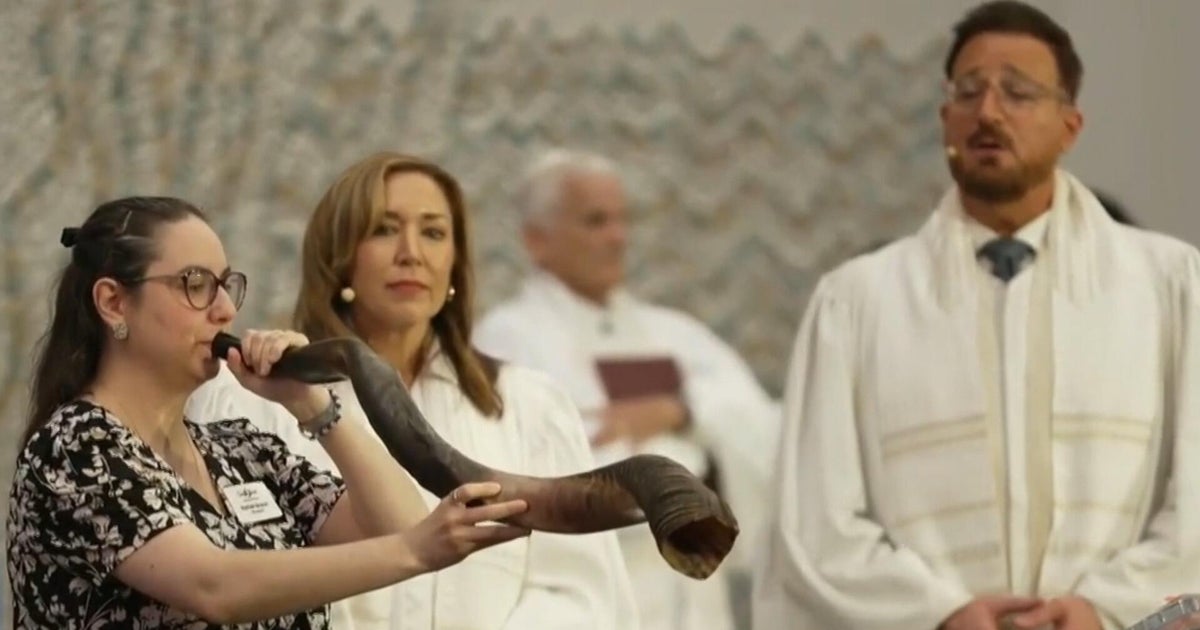
Temple Israel, a Detroit-area synagogue, reopened its sanctuary recently following a six-month rebuilding period necessitated by a March 12 attack. The congregation returned to the building to observe Rosh Hashanah, the Jewish New Year, marking the first time services were held in the main sanctuary since the incident.
On March 12, Ayman Mohamad Ghazali, 41, drove a truck containing gasoline and fireworks into the facility. During the event, more than 140 people were inside the building and were forced to take shelter, including children in classrooms. The Federal Bureau of Investigation (FBI) described the incident as a "targeted act of violence against the Jewish community," while federal officials labeled it an act of terrorism inspired by Hezbollah.
Ghazali, a Lebanese-born U.S. citizen, died from a self-inflicted gunshot wound during the attack. The incident occurred shortly after an Israeli airstrike in Lebanon killed Ghazali’s two brothers and other family members. Sources in Lebanon told a freelance journalist that the brothers were members of a Hezbollah rocket unit. Hezbollah has been designated as a foreign terrorist organization by the U.S. since 1997.
The physical damage to the synagogue included the destruction of religious relics due to water and smoke. To prepare for the reopening, the temple underwent significant construction, which included the installation of a new security balcony. Rabbis at the temple, including Rabbi Arianna Gordon and Rabbi Jennifer Kaluzny, emphasized the congregation's resilience and the necessity of structural changes to ensure safety for those attending services.
For the congregants, the concrete day-to-day change includes navigating a facility that now features heightened security infrastructure, such as the new sanctuary balcony. Beyond the physical changes, the event and the subsequent reopening highlight how international conflicts can lead to targeted domestic violence, prompting religious centers to prioritize defensive architecture.
What happens next involves the continued use of the facility for the Jewish High Holidays and the management of the estimated $52 million in combined rebuilding and security costs. The FBI and federal authorities have concluded their assessment of the perpetrator's motives.