Campaign ad spending for the current midterm election cycle has exceeded $10 billion, according to data from the tracking group AdImpact. The total comes as voters identify the economy and the cost of living as their primary concerns in recent polling and interviews.
The high spending levels follow the 2010 Supreme Court decision in Citizens United v. FEC, which removed limits on donations to "super PACs." These organizations are permitted to support or oppose candidates publicly but are legally prohibited from coordinating directly with official campaigns. Since that ruling, donors have contributed hundreds of millions of dollars to both parties across various levels of government.
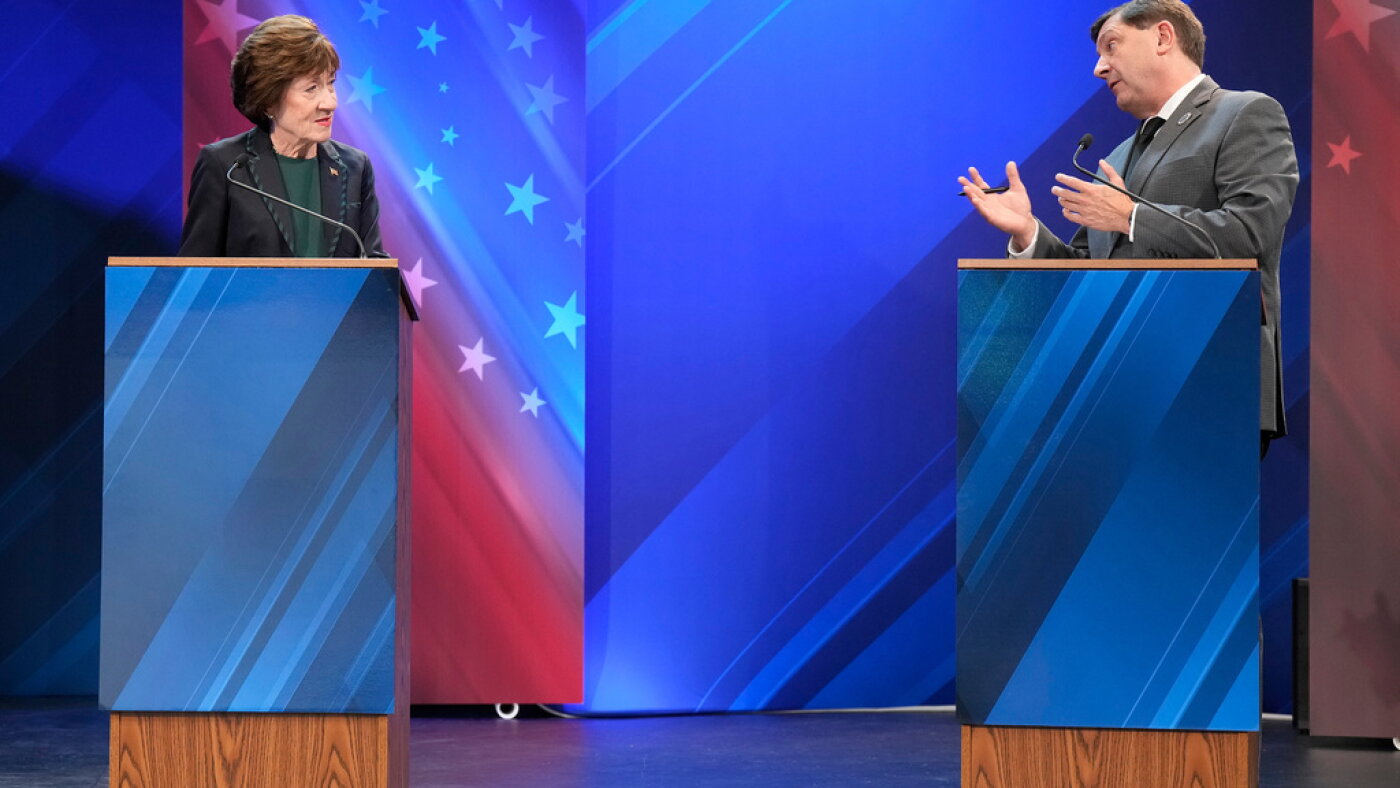
Specific Senate contests have seen high investment, with the Ohio race reaching more than $460 million in combined ad spending. The Texas Senate race has surpassed $500 million, while spending in the Maine Senate race has reached $260 million. In the House of Representatives, the contest for Michigan’s 7th congressional district has seen nearly $60 million in ad spending, followed by races in Iowa and Florida at nearly $50 million each.
Individual contributions have driven much of this total. Elon Musk has donated $276 million to Republican groups since July, while George Soros has contributed more than $100 million to Democratic causes during this election cycle. These figures are reported at a time when grocery prices have increased by one-third since 2019 and gas prices have risen following the start of the Iran war.
The scale of this spending, including the $276 million from Elon Musk and $100 million from George Soros, highlights the influence of concentrated wealth in the federal electoral process. While individual contributions to candidates remain limited by federal law, the unlimited flow of funds into super PACs means that a small group of individuals provides a significant portion of the capital used to reach the electorate.
For the public, this spending occurs as they face a 33% increase in grocery costs compared to 2019 and higher energy bills due to international conflict. As the election cycle nears its conclusion, these spending levels remain a point of discussion regarding campaign finance and the allocation of private resources. Following the final Maine U.S. Senate debate on October 15, 2026, campaigns and super PACs are expected to continue their ad buys through the November elections.