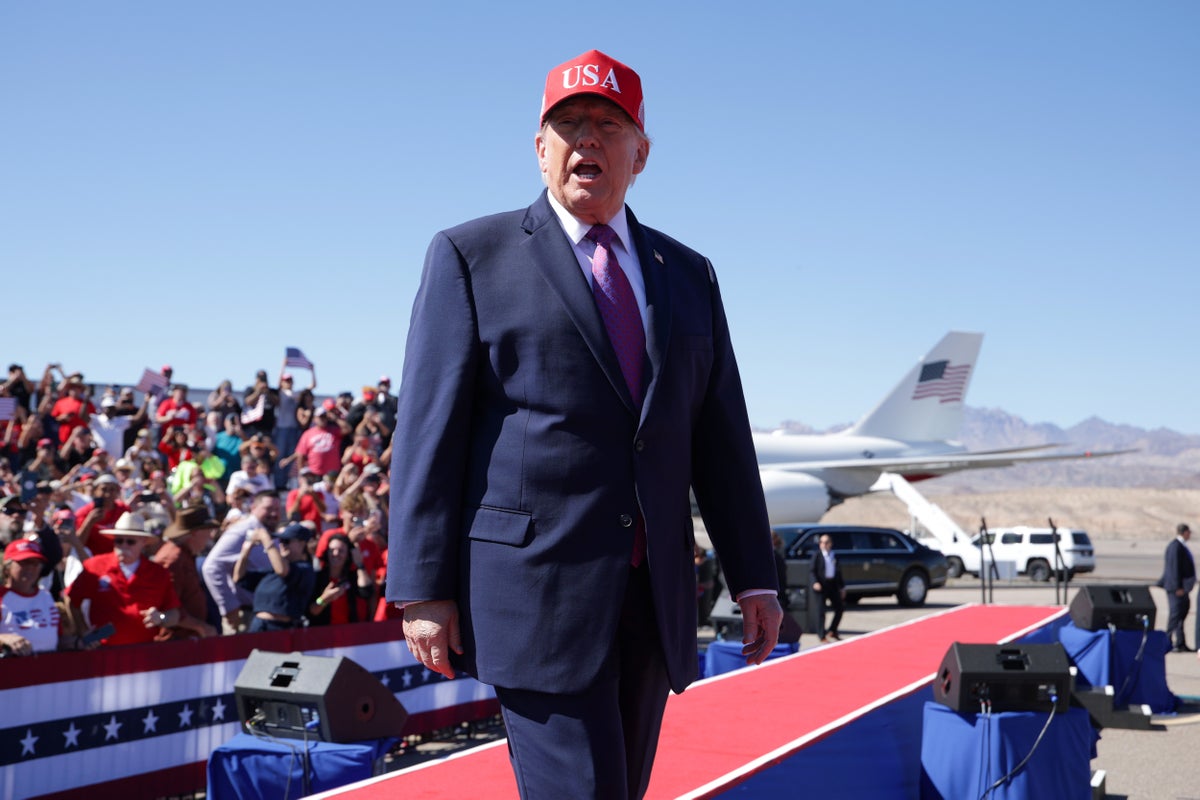
Democrats are seeking to gain at least four seats in the November 2026 midterm elections to take control of the 100-seat U.S. Senate, where Republicans currently hold a 53-47 majority. While the Republican majority appeared secure earlier this year, several contests have become competitive in states that supported President Donald Trump in 2024. Sources attribute this shift to voter concern over rising prices, the war in Iran, and the president's popularity ratings.
Key races are occurring in states traditionally held by both parties. In Maine, Republican Senator Susan Collins faces a challenge from former State Senate President Troy Jackson (D). In Ohio, former Senator Sherrod Brown (D) is attempting to reclaim a seat against incumbent Senator Jon Husted (R), who was appointed to replace Vice President JD Vance. Other competitive contests include an open-seat race in Iowa between Representative Ashley Hinson (R) and state Representative Josh Turek (D), and a Texas race between state Representative James Talarico (D) and Attorney General Ken Paxton (R).
Financial reports show heavy spending from both campaigns and outside groups. In Maine, AdImpact predicts total election spending by outside groups will reach $199 million. In Ohio, Republican groups are estimated to spend $246 million on advertising compared to $177 million from Democratic groups. In Texas, outside Republican groups have spent $240 million to defend the seat previously held by Senator John Cornyn (R), who was defeated by Paxton in a runoff. Despite the high Republican spending, Talarico has reported $16 million more in his campaign coffers than Paxton as of September 30.
A change in Senate control would alter the legislative process for federal programs. Democrats have highlighted Senator Collins's role in the confirmation of Supreme Court Justice Brett Kavanaugh, which preceded the overturning of federal abortion rights. Conversely, a Republican-led Senate would continue to provide a legislative platform for President Trump's agenda. Candidates in states like Michigan and Iowa are already distancing themselves from party platforms on issues like tariffs and the Iran war to appeal to local economic concerns.
The next steps for these contests will culminate on Election Day in November 2026. In Michigan, former President Barack Obama is scheduled to rally for Abdul El-Sayed (D) later in October. In Alaska, voters will use a ranked-choice system to select between incumbent Senator Dan Sullivan (R), Mary Peltola (D), and two other candidates. As of October 19, many of these races remain close in opinion polls, with final campaign finance reports and last-minute advertising expected to continue until the polls close.