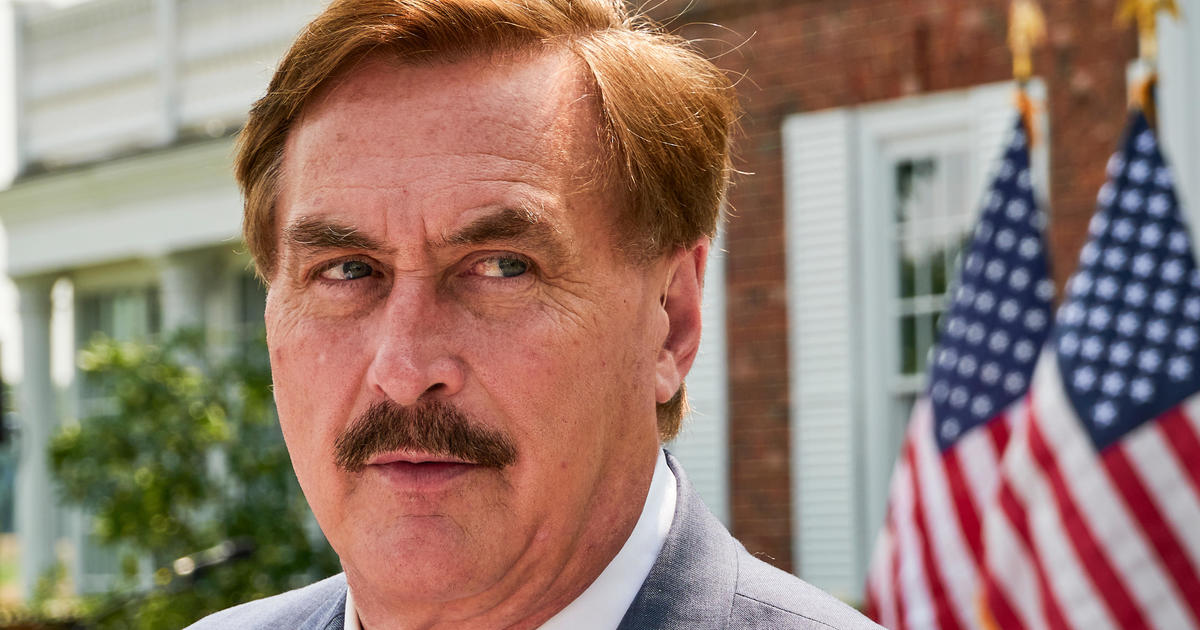
Mike Lindell, the founder of MyPillow, announced Wednesday that he intends to personally fund a hand recount and audit of all paper ballots cast in the Minnesota Republican gubernatorial primary. Lindell finished second in the Aug. 11 election to Minnesota House Speaker Lisa Demuth, who led by approximately 11 percentage points. Under state law, candidates may request a discretionary recount if they provide the necessary funding, as the margin of defeat exceeded the 0.25% threshold required for a state-funded automatic recount.
The announcement follows Lindell's remarks on primary night, where he stated he would not concede until every vote was counted. Lindell told reporters his team had identified "anomalies" that required review, though he did not provide evidence of fraud or irregularities at that time. Official findings of fraud have not been reported in this election. Lindell previously gained national attention for claims regarding the 2020 presidential election, which resulted in a settled defamation suit with Dominion Voting Systems and a judicial ruling that he defamed Smartmatic.
Minnesota law requires that a candidate seeking a discretionary recount must submit a formal request and the required funds within five days of the primary election canvass. The Secretary of State's office had not confirmed whether a formal request from the Lindell campaign had been received as of the time of reporting. If the results are certified, Demuth is scheduled to face Sen. Amy Klobuchar in the Nov. 3 general election to replace retiring Governor Tim Walz.
For Minnesota residents, the immediate impact is a delay in the final confirmation of the Republican ticket. Voters and election workers would see a prolonged administrative process as officials manually review paper ballots. This process must occur within the specific legal window following the election canvass. While the recount proceeds, the transition to general election campaigning for the Republican nominee may be slowed as the legal and administrative requirements of the hand count are addressed by county and state election offices.
The move sets a precedent for how discretionary recount laws are utilized in the state when margins are significantly wider than the automatic threshold. It also tests the administrative capacity of Minnesota’s election infrastructure to conduct a full manual audit funded by a private citizen. The next steps depend on the submission of funds and the formal request to the Secretary of State. The general election is set for Nov. 3, and any delays in the recount process could affect the printing and distribution of final ballots for that contest.