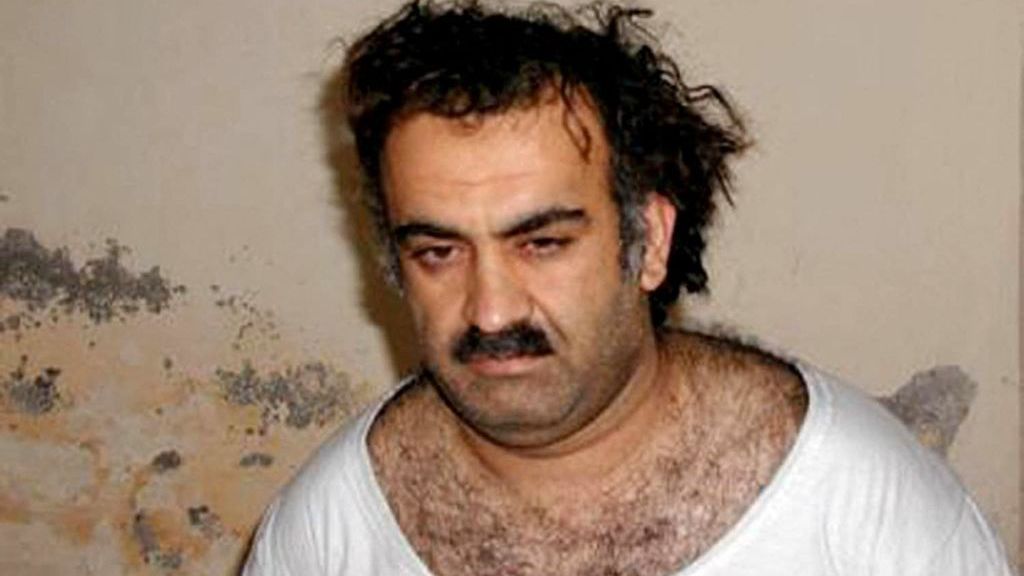
A military judge ruled Wednesday that the trial for Khalid Sheikh Mohammed, the man accused of masterminding the September 11, 2001, terrorist attacks, is scheduled to begin on June 5, 2028. U.S. Air Force Judge Lt. Col. Michael A. Schrama issued the start date for Mohammed and three alleged accomplices, Walid bin Attash, Ali Abdul Aziz Ali, and Mustafa al-Hawsawi. The trial is set to take place more than 25 years after the attacks occurred.
The scheduling follows a summer ruling by a federal appeals court that rejected a plea agreement reached by Mohammed and the U.S. government. Under the terms of that now-voided deal, Mohammed would have pleaded guilty in exchange for a life sentence without the possibility of parole, thereby avoiding a death-penalty trial. While an official appointed by then-Defense Secretary Lloyd Austin originally signed the agreement, Austin later attempted to revoke it, a move that preceded the court's intervention.
In his ruling, Judge Schrama stated that the June 2028 date was selected because the 2027 start date requested by prosecutors was too soon. According to the court document, the additional time is intended to allow the court to resolve disputes regarding what evidence can be presented during the proceedings. Mohammed, a U.S.-educated engineer who has been held at the Guantanamo Bay detention camp since 2006, previously stated he planned the "9/11 operation from A-to-Z."
The scale of this case involves the 15 remaining prisoners at the Guantanamo Bay military prison, which was opened roughly six months after the 2001 attacks. The proceedings will involve the examination of evidence collected since Mohammed and al-Hawsawi were captured in Pakistan in March 2003. Legal observers will monitor how the court handles classified information and evidence disputes over the next two years, as these decisions will dictate what specific details about the planning and execution of the attacks are made public during the trial.
For the American public and the international legal community, this trial represents a long-term test of the military commission system established to handle high-profile terror suspects. The decision to proceed with a death-penalty trial rather than a plea deal sets a precedent for how the U.S. government pursues ultimate sentencing in cases of mass terrorism. The next steps in the process involve pre-trial hearings to resolve evidence disputes, leading up to the scheduled start date of June 5, 2028.