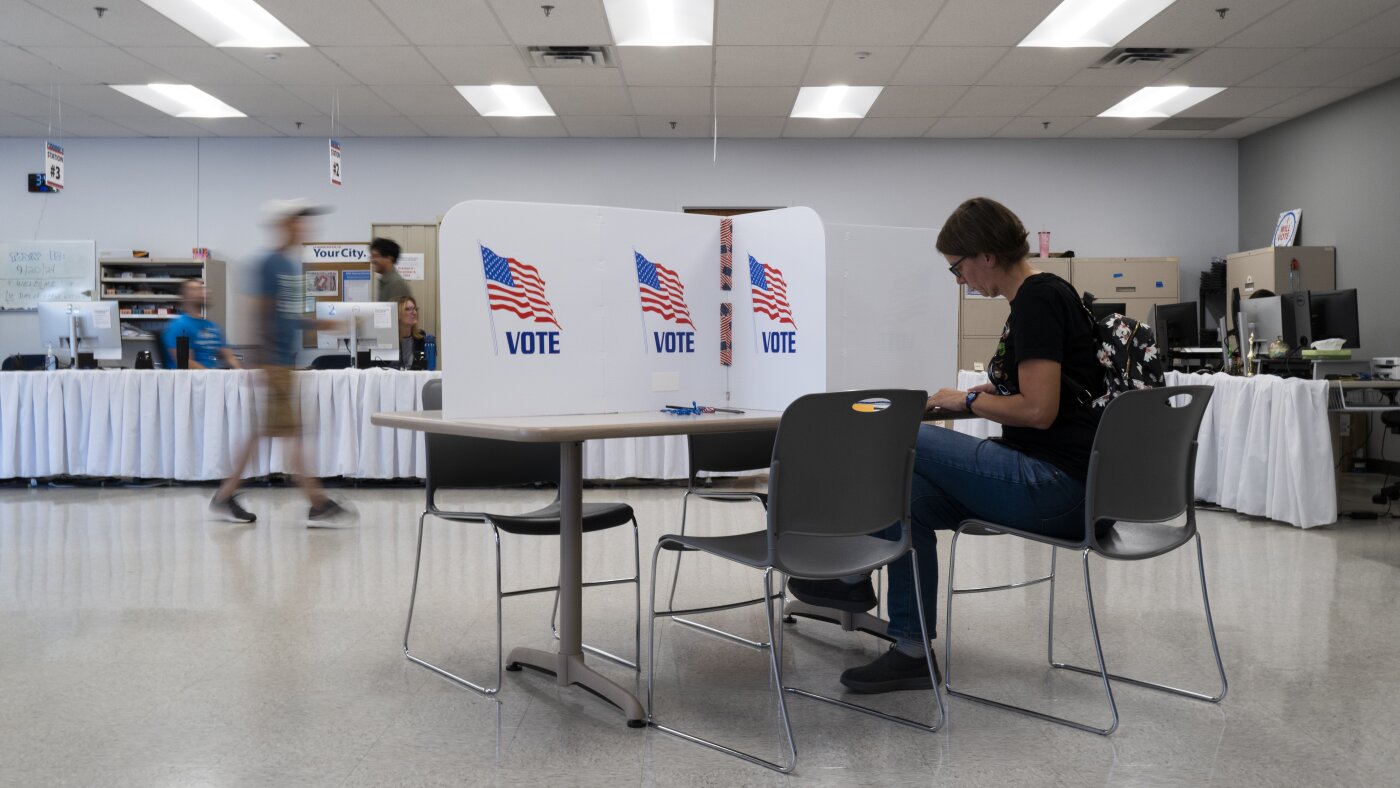
Minnesota and Wisconsin voters cast ballots Tuesday in primary elections that will select candidates for several high-profile state and federal offices. The contests are being closely watched as a gauge of the political direction for the Democratic Party in the Midwest following a recent progressive victory in a Michigan Senate primary. In Wisconsin, the race for governor features a choice between different ideological factions, while Minnesota voters are deciding on a competitive open U.S. Senate seat shaped by recent federal immigration actions.
The elections follow a period of shifting political dynamics in both states. Wisconsin remains a key swing state, while Minnesota has favored Democrats in statewide elections for two decades. The current primary cycle has been marked by candidates entering and exiting races late in the process, alongside significant spending from both local donors and national political organizations.
In the Wisconsin Democratic primary for governor, state lawmaker Francesca Hong, a democratic socialist, has led several polls. She is facing Milwaukee County Executive David Crowley, who reentered the race with the endorsement of outgoing Governor Tony Evers. In Minnesota, the Democratic primary for U.S. Senate features U.S. Rep. Angie Craig and Lt. Gov. Peggy Flanagan. The race has centered on "Operation Metro Surge," a federal immigration crackdown in the Twin Cities that resulted in two fatal shootings by federal agents earlier this year.
In Minnesota, the U.S. Senate primary affects the representation of nearly 6 million people in a race that has become a referendum on federal immigration policy. Lt. Gov. Peggy Flanagan, endorsed by Sens. Bernie Sanders and Elizabeth Warren, has advocated for "big, bold change," while Rep. Angie Craig has emphasized her ability to win a general election. Residents will see the impact of these choices in how their federal representatives approach immigration reform and federal law enforcement oversight following the fatal shootings during Operation Metro Surge. On the Republican side, the gubernatorial primary features Mike Lindell, who has Trump’s endorsement, facing state-endorsed businessman Kendall Qualls and House Speaker Lisa Demuth, affecting the GOP's effort to win the office for the first time since 2006.
The results of these primaries will establish the final matchups for the November general election. In Wisconsin, Democrats are seeking "trifecta" control by holding the governorship and flipping both houses of the state legislature, while Republicans aim to regain the governor's office and protect their legislative majorities. In Minnesota, Republicans are focusing on allegations of fraud in social services as a key campaign issue. Following Tuesday's vote, candidates will move into the final three-month sprint toward the general election, with fundraising and national party support expected to accelerate for the winners.
Next steps for the winners include finalizing general election platforms and securing party unity. In Wisconsin, at least one-third of Democratic voters were reported as undecided in the final week, and several candidates dropped out after early voting had already begun. This suggests that the winners will need to consolidate a fractured electorate before the November vote. Court challenges or administrative reviews may also follow in Minnesota, where the Republican Party has questioned whether Mike Lindell meets candidate residency requirements.