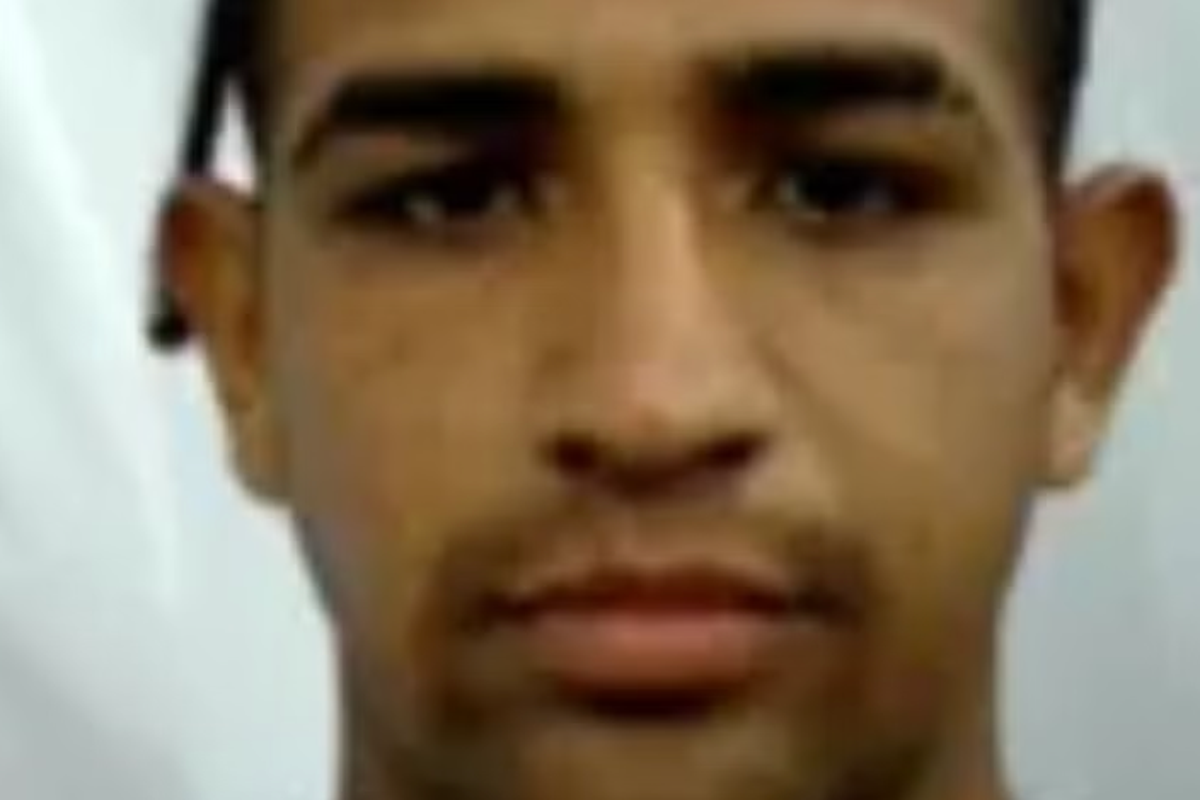
An Immigration and Customs Enforcement (ICE) agent faces possible release from a Texas jail this Thursday as a legal dispute continues between Minnesota and Texas officials over his extradition. Christian Castro is charged in Minnesota with assault and false reporting related to a January 14 shooting. Texas law requires the release of individuals held in custody for 90 days unless legal circumstances change, a deadline that expires this week.
The charges against Castro stem from an incident in Minneapolis where he is alleged to have fired a gun through the front door of a home. Prosecutors state that the shot struck 24-year-old Julio Cesar Sosa-Celis in the leg before the bullet lodged in a child's bedroom wall. Authorities further allege that Castro provided a false report claiming that Sosa-Celis and another individual had attacked an officer with a snow shovel and a broom handle.
Minnesota Governor Tim Walz and Attorney General Keith Ellison have filed a lawsuit to compel Texas to hand Castro over to Minnesota authorities. During a federal court hearing in Brownsville, Texas, on Tuesday, attorneys for Minnesota argued that releasing Castro could make it difficult to ensure he stands trial, especially if he moves out of the jurisdiction. U.S. District Judge Fernando Rodriguez Jr. stated he was inclined not to block the release but would issue a decision Wednesday on a request for a temporary restraining order.
A person living in Minnesota or Texas would notice the impact of this case through the interaction of state sovereignty and extradition laws. If Castro is released on Thursday, Minnesota residents may see a delay or halt in a high-profile criminal prosecution involving a federal agent. Conversely, Texas taxpayers and legal residents are affected by how their state government utilizes resources to contest extradition requests from other states. The core of the change is the physical location and custodial status of the defendant, which dictates the timeline for any future trial or sentencing.
The knock-on effects include potential precedents for how governors handle extradition requests when there are political or administrative disagreements between states. Texas Governor Greg Abbott has cited unrelated investigations into Minnesota's social service programs as a reason for not yet responding to the request. This could influence future cooperation between states on criminal matters. A decision is expected Wednesday from the federal judge, which will determine if Castro remains in the custody of the Cameron County sheriff or is released on the Thursday deadline.