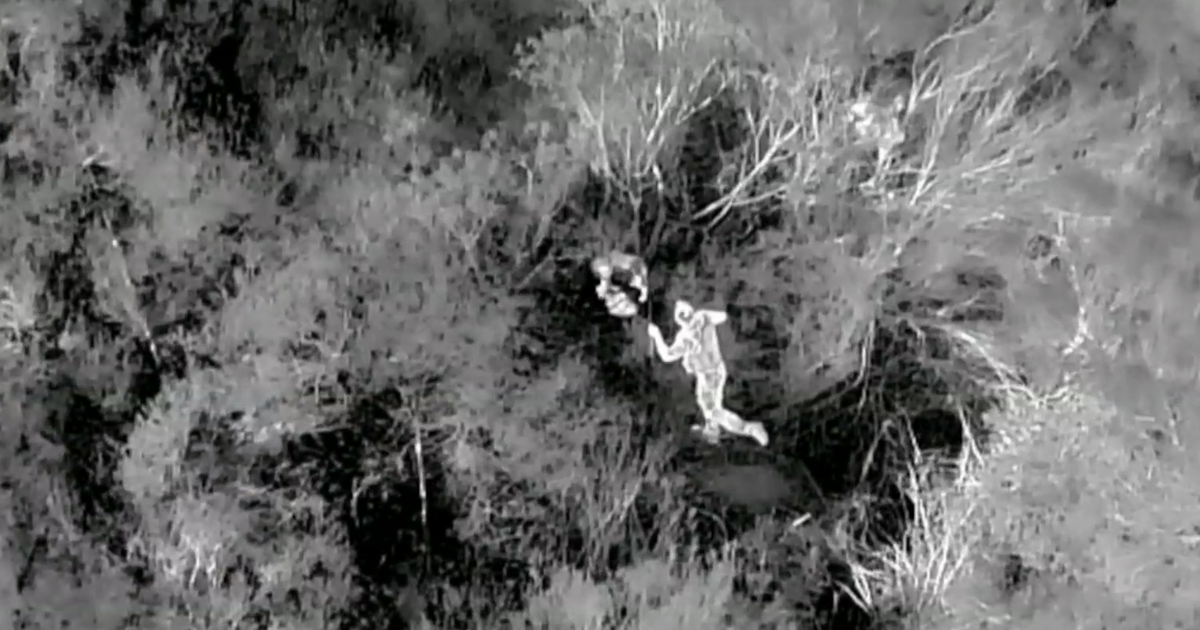
Animal control officers in Mission Viejo, California, are using a drone equipped with thermal imaging and lasers to locate and rescue lost pets. The technology allows authorities to identify animal heat signatures over large geographic areas and through dense vegetation where pets may be hidden from ground view. Mission Viejo Animal Services reported that the aerial equipment has transformed their search process from a passive approach to an active one, significantly reducing the time required to find missing animals.
The use of this technology was recently demonstrated during the rescue of a small terrier on a Southern California freeway. A drone tracked the dog in the carpool lane and provided real-time coordinates to ground units via radio, allowing officers to complete the rescue in minutes. Previously, animal control officer Kyle Werner stated that such searches could take days or weeks. The drone allows for coordination between aerial and ground units to pinpoint a pet's exact location.
The drone cost approximately $17,000 and was funded entirely through private donations rather than public tax dollars. Beyond freeway rescues, the equipment has been used to find animals in difficult terrain. Senior animal control officer JR Stewart noted a recent case where the drone located a dog named Lana in brush that was taller than a human, a task he described as impossible with the naked eye. In another instance last year, the drone tracked a dog named Josie, allowing the owner to approach the animal safely after officers provided the specific location.
For local residents, this change means a higher likelihood of recovering a lost pet and a potential reduction in traffic hazards caused by animals on major roadways. A pet owner would notice a shift from "waiting for something to happen" to an active tactical search by city officials. The use of thermal imaging allows for searches to continue in conditions where human visibility is limited by heavy brush or darkness, providing a service that was previously unavailable to the community.
The successful implementation of the drone in Mission Viejo is already drawing interest from other municipal agencies. If more cities adopt similar technology, it could set a new standard for how local governments manage animal control and public safety incidents involving animals. Werner stated that the ability to reunite families with pets makes the technology worth the investment. Other agencies interested in the program have not yet been named, and there is no specified date for when additional cities might implement similar drone programs.