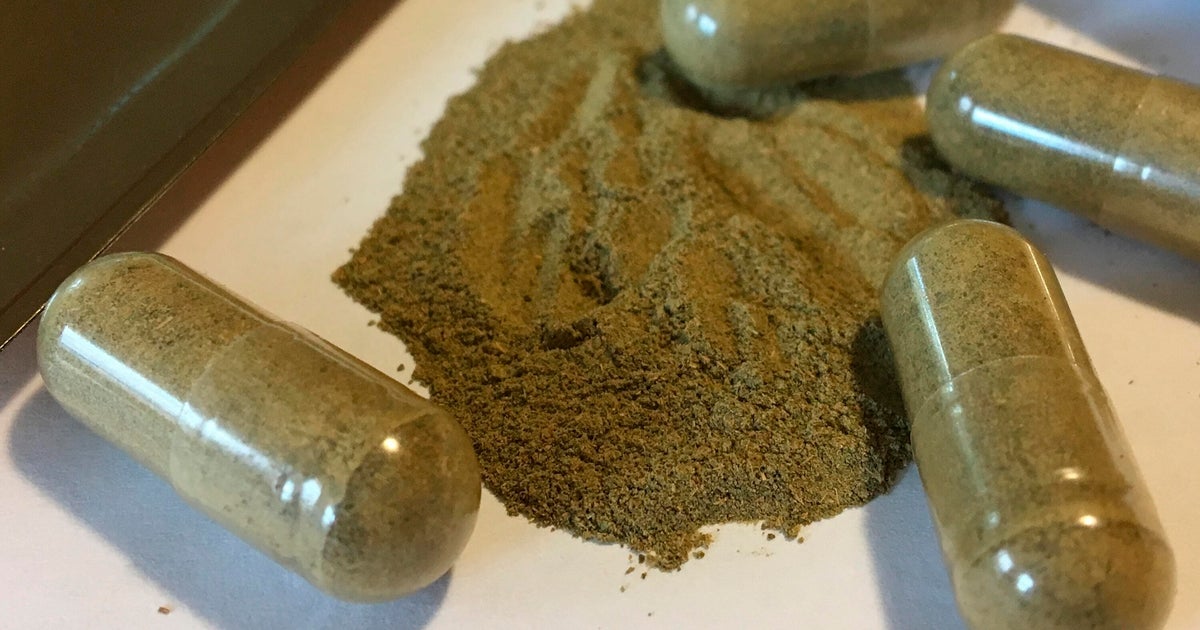
Federal prosecutors announced charges on Friday, Oct. 2, 2026, against a shop clerk and his son for selling a kratom derivative found at the scene of the death of a University of Mississippi student. Yahya Mohamed Mosleh, 51, and Islam Yahya Mosleh, 18, each face one count of possession with intent to distribute a controlled substance. The charges follow an investigation into the Sept. 21 deaths of two students, though authorities say it is not yet confirmed if the substances caused the fatalities.
The investigation began after Aidan Hamilton, a freshman from Colorado, and Robert Strang, a junior from Georgia, were found dead in separate locations on and off the Oxford campus. According to a federal affidavit, investigators found opened packages of "Smax," a kratom product, in both students' rooms. Bank records indicated Hamilton had made multiple purchases from the vape and tobacco store where the Moslehs worked. A DEA agent stated that one of three kratom-related compounds banned by the agency in August was listed as an ingredient in the products seized from the store and Hamilton’s room.
During the investigation, an informant purchased kratom-based pills from Yahya Mosleh on Sept. 24. According to the affidavit, Mosleh told the informant to "be careful taking the pills because people were dying from them" and attempted to hide the products from other customers. A magistrate judge ruled on Thursday, Oct. 1, that there was sufficient evidence to proceed. Attorneys for the defendants declined to comment.
The scale of the impact involves 11 states that have banned the substance entirely, while others like Mississippi require buyers to be at least 21 years old. In Oxford and Lafayette County, local ordinances prohibit the sale of the substance. Residents and students will notice increased scrutiny of specialty tobacco and vape shops, as local narcotics units and federal agents continue to monitor retail compliance. For students and their families, the outcome of toxicology reports—which Governor Tate Reeves said are being expedited—will clarify whether these retail products are directly responsible for recent fatalities.
A person living in Oxford would notice that despite the general legality of herbal kratom in many parts of the country, local bans carry weight, as evidenced by the federal distribution charges. The knock-on effects could include similar crackdowns in other jurisdictions with local bans and a broader debate over the regulation of synthetic herbal supplements. What happens next includes the release of final toxicology results for Hamilton and Strang and further court proceedings for the Moslehs. The Lafayette County Metro Narcotics task force indicated that additional charges remain possible.