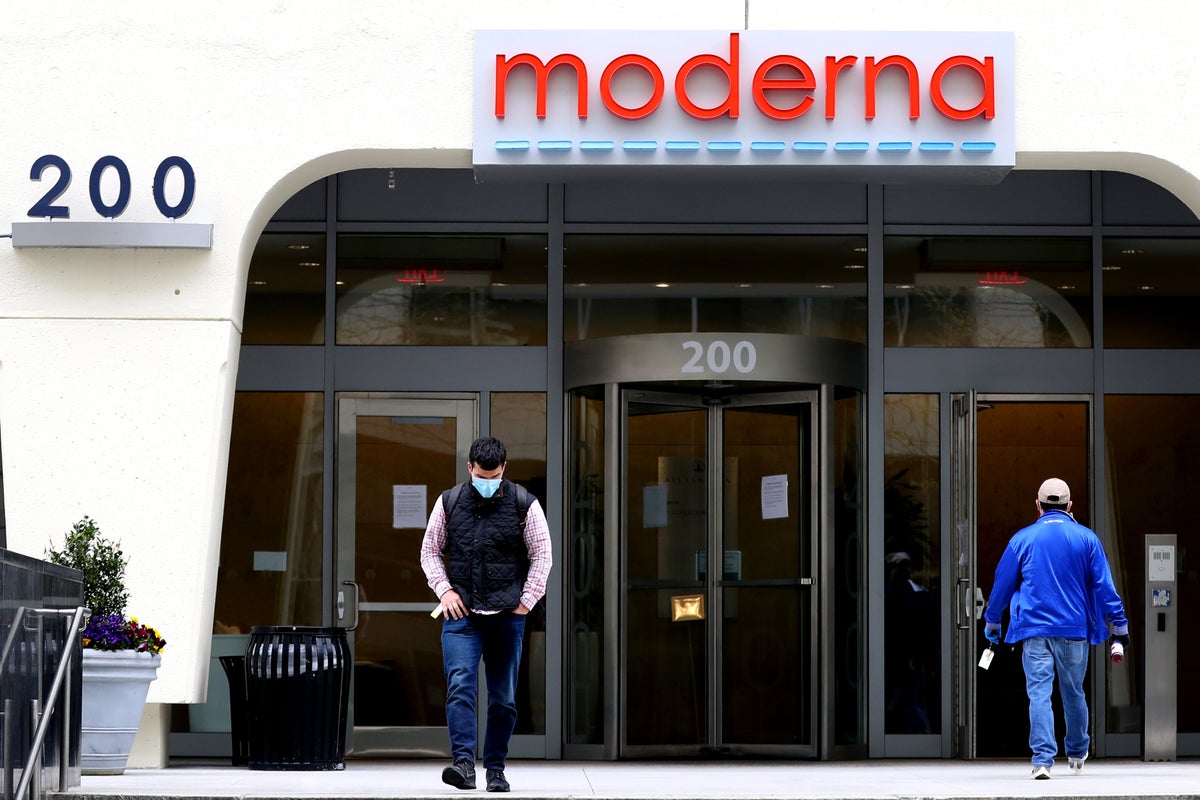
Drugmakers Merck and Moderna announced Wednesday that a Phase 3 clinical trial for a personalized mRNA cancer vaccine, intismeran, met its primary goals in treating high-risk melanoma. The study found that when the vaccine was used in combination with the immunotherapy drug Keytruda, it prevented the cancer from returning or spreading in patients who had already undergone surgery. This is the first time an mRNA drug has been reported to stop the spread and recurrence of this form of skin cancer.
The trial, known as Interpath-001, involved more than 1,000 patients who received either the combination therapy or Keytruda alone for nearly a year. Researchers sought to determine if the treatment could improve recurrence-free survival and distant metastasis-free survival, which refers to the length of time a patient remains free of cancer spread to other organs. While the companies did not release the specific duration of progression-free survival, previous trials indicated that the drug combination nearly halved the risk of recurrence or death compared to using Keytruda by itself.
Following the announcement, Moderna’s stock rose by 145%, or $91.52, to reach $154.48 in morning trading. Merck’s shares increased by 10.6% to $149.52. Dr. Dean Y. Li, president of Merck Research Laboratories, stated that the goal of providing therapy after surgery is to intervene when the disease is most treatable to increase the possibility of a cure. Dr. Karen Knudsen, former chief executive of the American Cancer Society, noted that while the biology is compelling, longer-term data is required to confirm if the immune response leads to durable prevention of the disease.
The scale of the impact is reflected in both the clinical and financial sectors. In the trial, over 1,000 participants were tracked for approximately one year to compare the dual-drug approach against a single-drug standard of care. For the broader public, the "bespoke" nature of the vaccine represents a shift toward precision medicine, where treatments are manufactured for the individual rather than a general population. This technology is not limited to skin cancer; Merck and Moderna are currently testing the same mRNA platform for patients with lung, bladder, and renal cell carcinoma, which could extend the reach of this treatment model to hundreds of thousands of additional patients across various cancer types.
The next steps for this treatment involve the release of full data and regulatory review. The drugmakers stated they plan to share more detailed findings at an international medical conference later this year. It is not yet reported when the drug combination will be available for doctors to prescribe or when it will be submitted for final FDA approval. Dr. Nina Bhardwaj of the Icahn School of Medicine at Mount Sinai noted that while the results are a milestone, the exact timeline for clinical access remains unknown. Future evaluations will focus on "overall survival data" to determine the long-term benefit of the therapy.