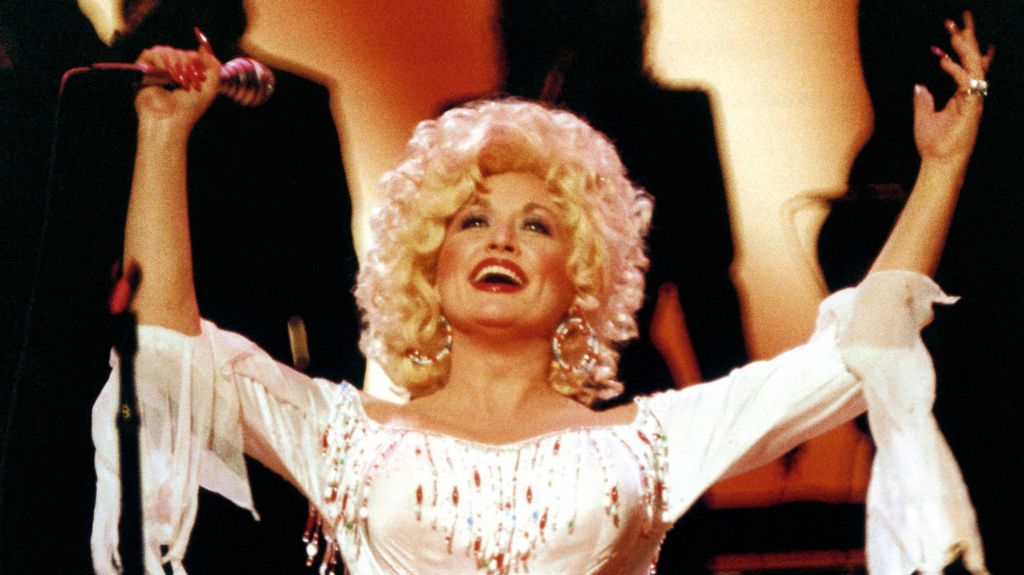
Music artists and public figures have issued tributes following the death of singer-songwriter Dolly Parton. Known for a career spanning several decades, Parton achieved commercial success in country and pop music while maintaining control over her creative works and business interests. Her death has prompted reflections on her contributions to songwriting, her advocacy for women in the workplace, and her philanthropic efforts.
Parton's professional career began in the late 1950s, followed by a prominent role on 'The Porter Wagoner Show' starting in 1967. After achieving success through 21 hit duets, she transitioned to a solo career in the 1970s. This period was marked by a legal dispute with Wagoner, who sued her for $3 million for breach of contract in 1979; Parton settled the case for approximately $1 million to avoid a lengthy court battle.
Throughout her career, Parton was noted for retaining her music publishing rights. In one instance, she declined a request from Elvis Presley to record her song 'I Will Always Love You' because his manager, Colonel Tom Parker, demanded 50% of the publishing rights. When Whitney Houston later covered the song in 1992, Parton retained full ownership. She also gained recognition for the 1980 song '9 To 5,' which served as a critique of workplace inequity and became her only solo number-one hit on the U.S. general charts.
For music creators, Parton's legacy establishes a precedent for artist autonomy and the retention of intellectual property. Her refusal to surrender publishing rights to Elvis Presley's management in the 1970s is cited as a foundational example of an artist defending their self-worth against industry pressure. Modern artists, including Taylor Swift, have acknowledged Parton's influence when making similar decisions to re-record catalogs to regain financial control. In the workplace, her song '9 To 5' and its accompanying film are credited with bringing mainstream attention to the sexual harassment and professional belittlement faced by female secretaries and corporate employees.
Beyond her business and artistic influence, Parton's death marks the end of a public career that utilized music to bridge social divides. She was noted for supporting diverse communities, including performing for drag performers in 2002 and maintaining a presence that appealed to both conservative country music fans and liberal audiences. While specific funeral dates or public memorials have not yet been reported in the source text, her death has already triggered large-scale tributes from figures such as Taylor Swift and Beyoncé, signaling her enduring relevance in the global entertainment market.