Election officials in several states are preparing for potential delays in announcing winners for upcoming midterm races. While some results are reported on election night, officials and experts note that the time required to call a race is determined by both the margin of victory and the speed at which ballots are processed. In states with narrow contests, news organizations often require more data before determining a winner.
Former Maricopa County, Arizona, Clerk and Recorder Stephen Richer, a Republican, stated that the pressure on election workers increases when results are not immediate. According to Richer, workers are often accused of being incompetent or corrupt, even when they are operating within the limits of their available staff and space. He noted that states like Utah, which count at similar speeds to Arizona and California, appear to finish faster only because larger margins of victory allow for earlier race calls.
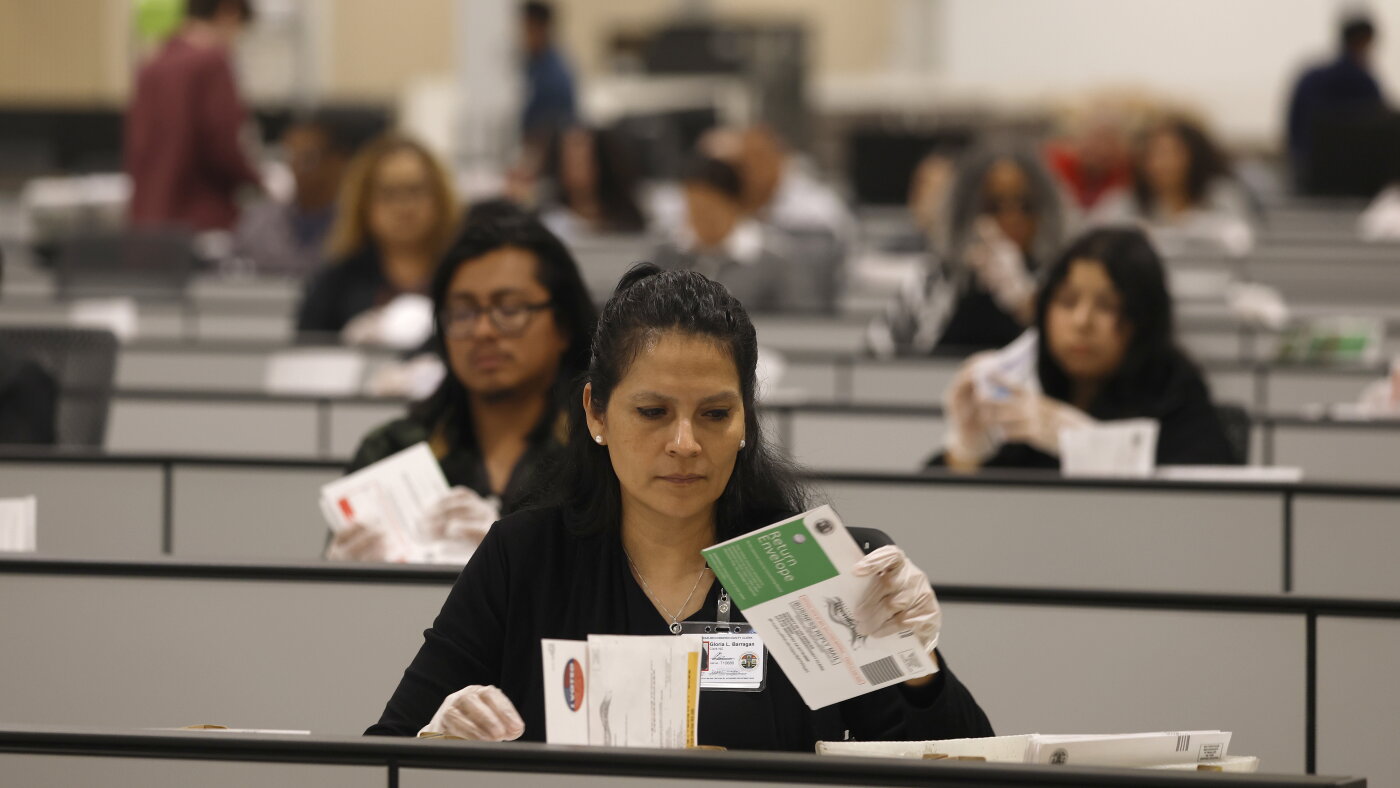
California has become a focus for these delays due to competitive congressional districts and a large volume of mail-in ballots. Kim Alexander, president of the California Voter Foundation, identified a "logjam" of mail-in ballots returned on Election Day as the primary cause for the state's processing time. These ballots require manual steps, such as envelope handling and signature verification, which means processing for that batch often does not begin until later in the week.
In Alaska, a similar combination of close races and slow processing has occurred. Data from the MIT Election Lab showed that Alaska was the last state to reach 95% of its ballots counted during the 2024 election. The state's lone House race that year was not called until Nov. 20, 15 days after Election Day. Experts suggest that a tight Senate race in Alaska this year could lead to a multi-week wait for results that may determine control of the U.S. Senate.
For the individual voter, the immediate impact is a delay in knowing the status of their representation. Voters who wait until Election Day to return mail-in ballots contribute to a logjam that prevents officials from providing same-day totals. In response, California has allocated $40 million toward speeding up the count, including voter education. Researchers found that when voters in San Joaquin County were prompted by postcards to vote earlier, they were more likely to meet deadlines that allowed their votes to be counted by election night.
The broader effect of these delays is the potential for increased public distrust and the spread of unverified claims regarding election integrity. As news organizations wait for higher percentages of ballots to be counted in close races, the resulting information gap is often filled by speculation. This year, the number of competitive House districts in California has decreased from nine to three, which may reduce the likelihood of the state determining House control. However, the outcome of the U.S. Senate could remain unknown for weeks if the result hinges on Alaska’s final tally.