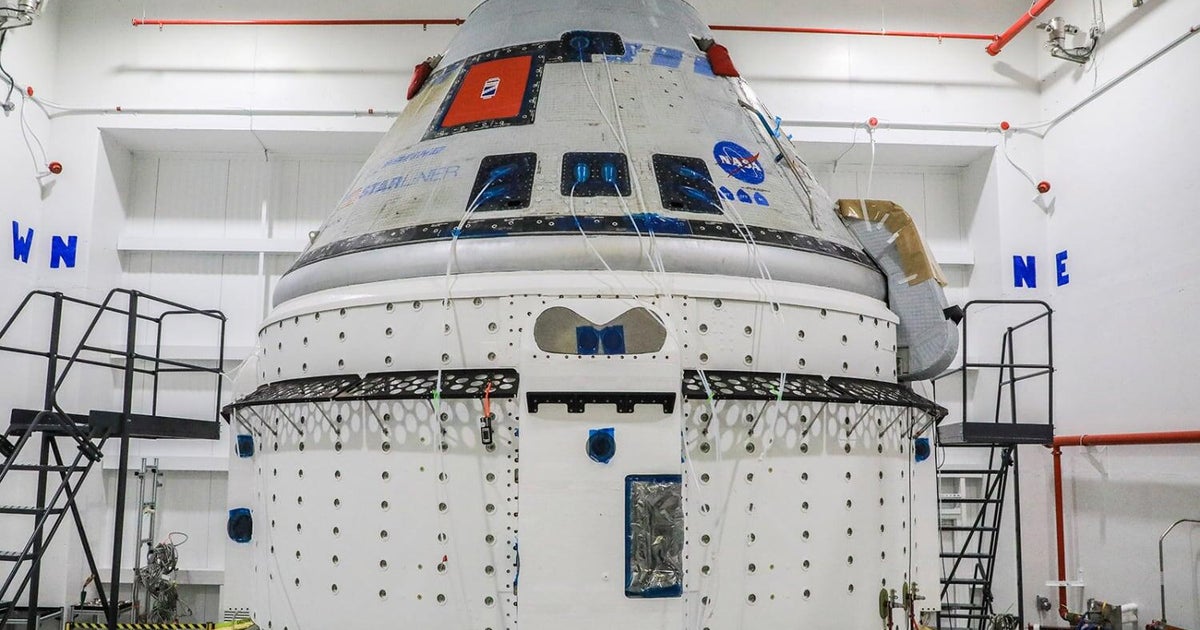
NASA and Boeing are planning an uncrewed test flight of the Starliner capsule between December 2026 and January 2027 to evaluate hardware upgrades following propulsion failures in 2024. If successful, officials stated that a piloted mission commanded by astronaut Warren "Woody" Hoburg is targeted for mid-2028.
The decision follows a 2024 test flight where astronauts Barry "Butch" Wilmore and Sunita Williams remained on the International Space Station (ISS) for nine months after their Starliner capsule experienced thruster malfunctions and helium leaks. Although the mission was originally scheduled for eight days, the astronauts eventually returned to Earth in March 2025 aboard a SpaceX Crew Dragon spacecraft.
A February 2026 investigation report classified the 2024 mission as a "Type A" mishap, NASA’s most severe failure category. The review identified three major hardware issues: the extrusion of Teflon "poppets" in propellant valves that restricted flow, a thruster failure in the crew module during descent, and multiple helium leaks. The board also cited leadership and organizational shortcomings that created risks inconsistent with safety standards.
Boeing is currently implementing modifications to address these failures, including redesigning service module thruster poppets and replacing valves in all 12 crew module maneuvering thrusters. The company is also adding a faster flight data recorder, upgraded batteries, and improved parachutes. To support future launches, NASA is working to certify United Launch Alliance's new Vulcan rocket for human spaceflight, as only six Atlas 5 rockets remain in inventory.
The scale of the technical failure was significant, extending a planned 8-day mission to 286 days for the two affected crew members. For the agency and Boeing, the financial and operational impact involves the cost of re-engineering propulsion systems across multiple vehicles and the multi-year delay of the first operational mission, now pushed to 2028. Taxpayers and federal aerospace partners are affected by these delays as the ISS approaches its planned retirement in 2030, leaving a narrow window for Starliner to become a primary provider.
A successful uncrewed mission in late 2026 or early 2027 would allow flight controllers to stress-test thermal modifications and thruster performance under stricter parameters. If these tests fail to meet certification standards, NASA would remain dependent on a single commercial provider for the remainder of the ISS lifespan. The next major milestone is the uncrewed docking test scheduled for the December-to-January period, followed by data analysis that will determine the final certification timeline for crewed flight.