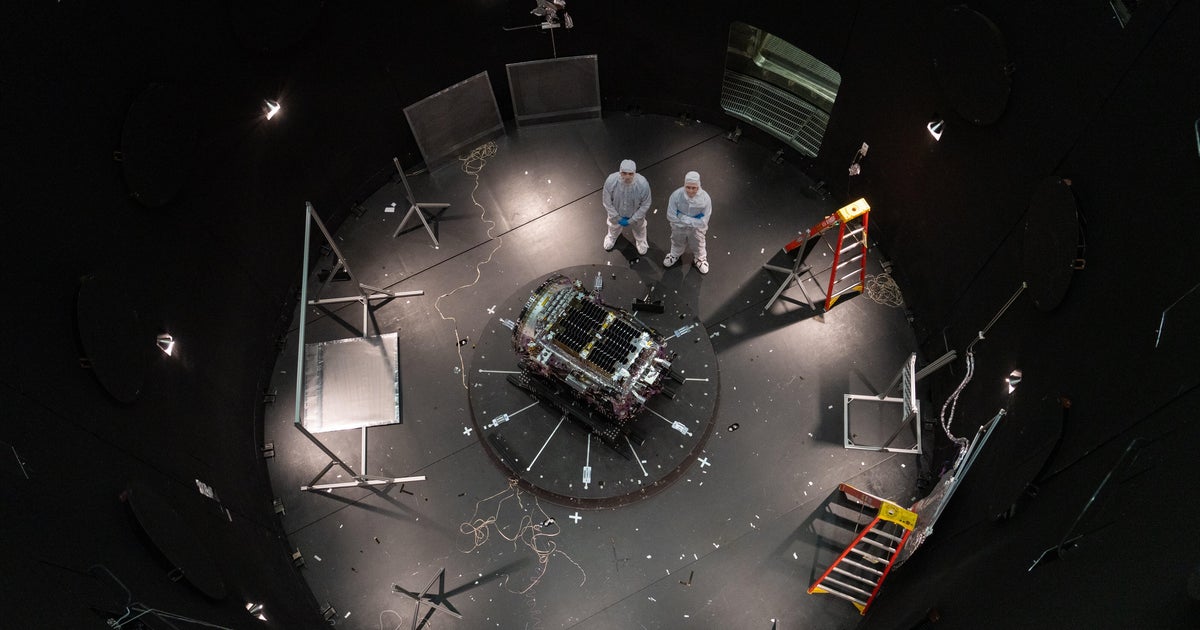
NASA and Katalyst Space Technologies announced Wednesday that they have canceled a mission to rescue the Swift Observatory, an orbiting telescope. The decision follows technical failures aboard the Link spacecraft, which was launched in July with the intent to dock with the telescope and boost it into a higher, more stable orbit. NASA officials stated the observatory is now expected to undergo a destructive reentry into Earth's atmosphere later this year.
The Swift Observatory was launched in 2004 to monitor cosmic phenomena such as gamma-ray bursts. While originally designed for a two-year lifespan, it has remained operational for over two decades. However, the telescope lacks onboard thrusters to maintain its altitude. Increased solar activity has recently heated the upper atmosphere, creating additional drag that caused the satellite to lose altitude faster than scientists had anticipated.
NASA paid Katalyst Space Technologies $30 million for the rescue attempt. The startup's Link spacecraft encountered an uncontrollable spin shortly after its July launch, and although controllers eventually slowed the rotation, persistent issues with its positioning and pointing systems prevented a docking attempt. Katalyst CEO Ghonhee Lee noted the mission was developed on an aggressive timeline of less than a year, describing it as a high-risk endeavor.
For the scientific community, the concrete change will be the permanent cessation of data from Swift’s instruments, which were already powered down earlier this year to conserve remaining resources. The telescope is currently falling at a rate of five miles per month. By October, it is projected to drop from its current altitude of 216 miles to 186 miles, eventually leading to its total destruction upon reentry. This outcome sets a difficult precedent for other aging NASA assets, specifically the 36-year-old Hubble Space Telescope, which is also losing altitude due to solar storms and had been considered a candidate for a similar rescue if the Link mission succeeded.
NASA has not yet confirmed if a separate rescue plan will be developed for the Hubble Space Telescope, which is currently expected to reenter the atmosphere in the 2030s. As for the immediate future, Katalyst plans to continue operating the Link spacecraft in close proximity to the descending Swift satellite to test and demonstrate maneuverability capabilities. These tests are intended to inform future satellite servicing and rescue policies, though the Swift Observatory itself is now considered unrecoverable.
NASA Administrator Jared Isaacman stated that despite the outcome, the mission was worth attempting for the lessons learned. The final destruction of the satellite is anticipated to occur in late 2026 as it descends into thicker regions of the atmosphere.