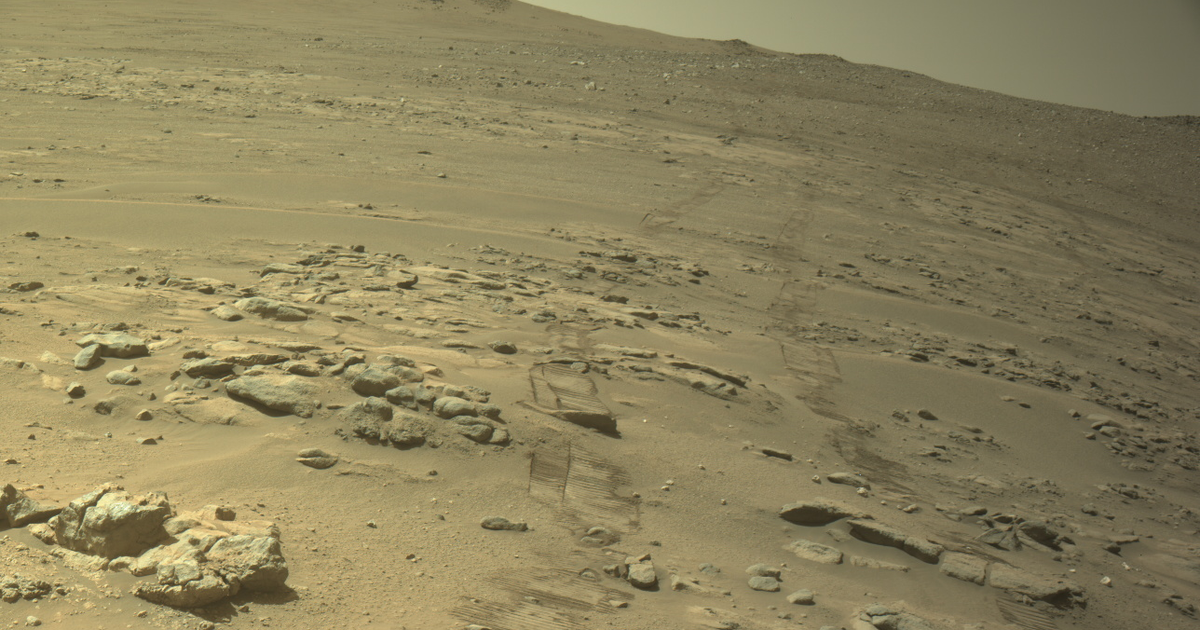
NASA reported that its Perseverance rover set a new record for the longest distance traveled by a vehicle on another planet. As of a Sunday in December 2024, the rover reached a total distance of 28.1 miles on the surface of Mars. This surpasses the previous record of 28.06 miles held by the Opportunity rover, which operated on the planet between 2004 and 2018.
Perseverance landed in the Jezero Crater in February 2021. The mission was originally expected to cover 12.4 miles, a distance the rover has now surpassed. According to Steven Lee, project manager at NASA’s Jet Propulsion Laboratory, the rover has blown well past that initial goal. NASA has extended the mission to allow for continued exploration of the crater's western rim through the end of 2028.
The rover reached the milestone while traveling toward terrain that scientists believe may contain some of the oldest geological features in the solar system. The mission's current objectives include searching for evidence of ancient hydrothermal systems, which are underground networks that heat water. Since landing, the rover has gathered data that allowed scientists to establish a three-period timeline for the crater's history and identified signs that microbial life could have existed there in the past.
NASA attributed the rover's ability to cover ground quickly to its autonomous navigation system, known as AutoNav. This technology allows the vehicle to capture images, map hazards, and plan routes while in motion, a process NASA staff call "thinking while driving." The system enables the rover to reach speeds of up to 1,351 feet per sol, which is the term for a Martian solar day.
For the American public and the federal government, the scale of this achievement is measured in the extended utility of the mission’s equipment. The rover has already traveled more than 15 miles beyond its initial 12.4-mile design goal. With the mission extension through 2028, taxpayers and policymakers will see continued data collection from the asset for at least two additional years. The success of the AutoNav system also sets a technical precedent for future autonomous vehicles intended for the Moon or other planets, as it reduces the need for constant, minute-by-minute remote steering by human operators on Earth.
The concrete result for the mission is that Perseverance will now move into the western rim of the Jezero Crater to investigate terrain that was previously out of reach. Scientists will monitor the rover's sensors for traces of ancient water-heating systems that could provide clues about the planet's habitability. The next major phase of the mission will continue through the new December 2028 deadline. Over the coming years, the rover is expected to provide further updates on the crater's formation and any biological signatures found in the soil.