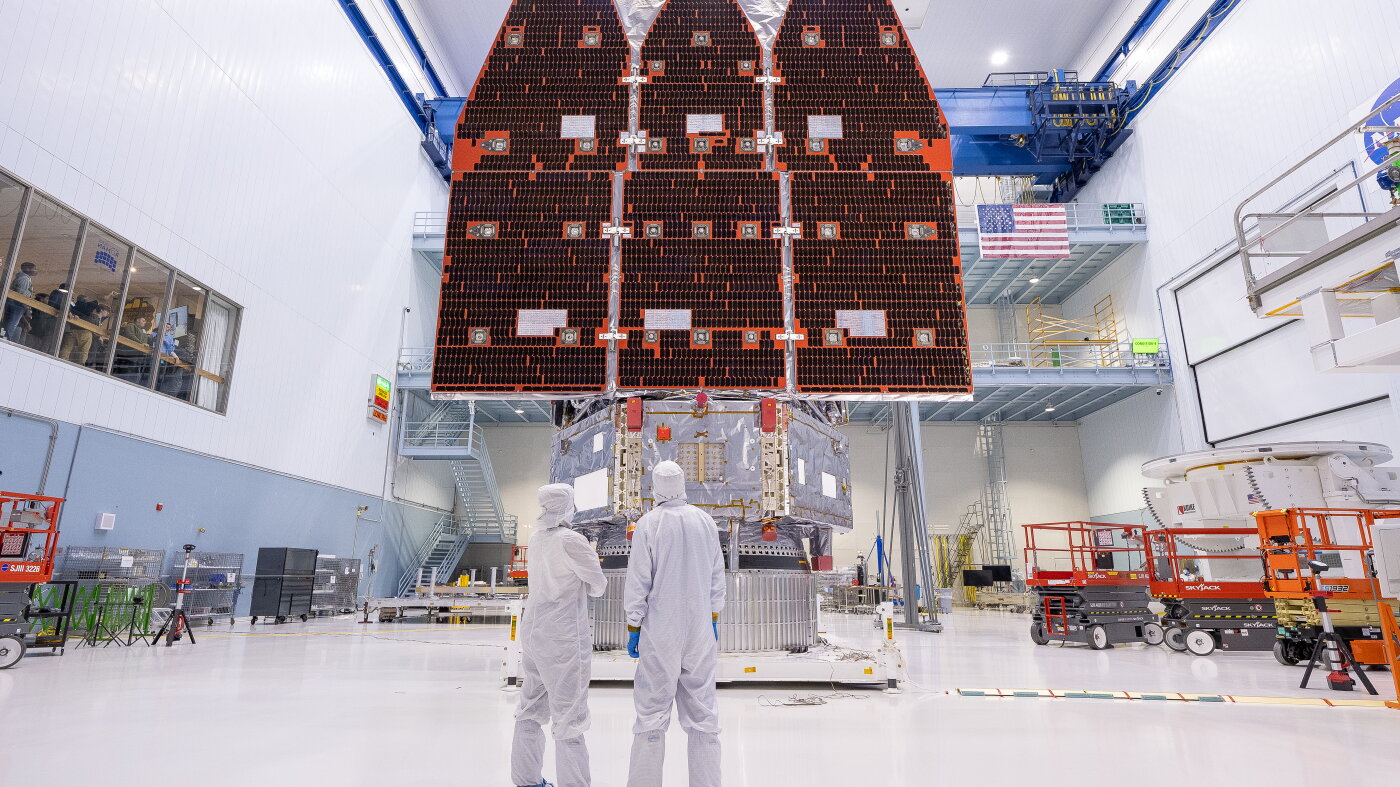
Current and former staff at NASA’s Goddard Space Flight Center in Greenbelt, Maryland, report that laboratory relocations and equipment losses have affected the agency's ability to develop and test spacecraft. According to internal documents and staff interviews, management directed scientists to vacate more than 80 facilities starting in November 2025 as part of a plan to reduce costs and avoid tens of millions of dollars in deferred maintenance. Engineers state these moves resulted in the loss of specialized gear, the auctioning of sensitive technology, and staffing departures.
The relocations occurred multiple times between November 2025 and August 2026, including while some employees were away during a government shutdown. While a June 2026 report from the NASA Office of Inspector General stated the moves had not impacted anticipated missions, internal emails and employee accounts indicate that specialized workspaces and equipment were discarded or relocated without the knowledge of the engineers who used them. NASA did not respond to questions regarding the specific impacts of these relocations.
Engineers working on the $4 billion Nancy Grace Roman Space Telescope, launched in late August 2026, reported that they used less sensitive equipment for fuel testing after other tools were lost. Additionally, a radio communication lab lost its $6 million antenna chamber, preventing certain pre-launch tests. Another project, the GRITSS satellite launched in July 2026, was deployed without full radio communication testing. Staff also reported delays on the DAVINCI mission to Venus due to the lack of replacement lab space and specialized "clean rooms."
The reported disruptions affect specialized NASA engineers and scientists whose work depends on custom-built facilities and high-precision instruments. According to internal survey results, nearly 60% of engineers at Goddard indicated plans to leave the agency, following a 2025 workforce reduction that removed approximately one-third of the center’s staff. For these professionals, the changes have included the loss of research tools and the requirement to "eat the risk" by launching hardware that has not undergone standard testing protocols.
An NPR analysis found that over a six-month period, more than 300 items with an original purchase value of approximately $5.4 million were posted on the General Services Administration (GSA) auction site. Some of these items, such as an aspheric test blank originally costing $250,000, were bid on for as little as $300. Approximately one-third of the auctioned items were classified as restricted due to their relevance to national security or missile technology. While GSA requires buyers to certify their eligibility, advocacy groups expressed concern regarding the accessibility of advanced technology to foreign entities.
A proposed White House budget for 2027 includes a $5.6 billion reduction for NASA, representing a 23% decrease from 2026 funding levels. As specialized labs remain vacant and equipment is donated to outside universities or sold, employees stated they were instructed to prepare as if the agency would no longer build certain systems, such as propulsion units. The performance of the Roman Space Telescope in orbit following its recent launch remains a significant milestone for affected projects.