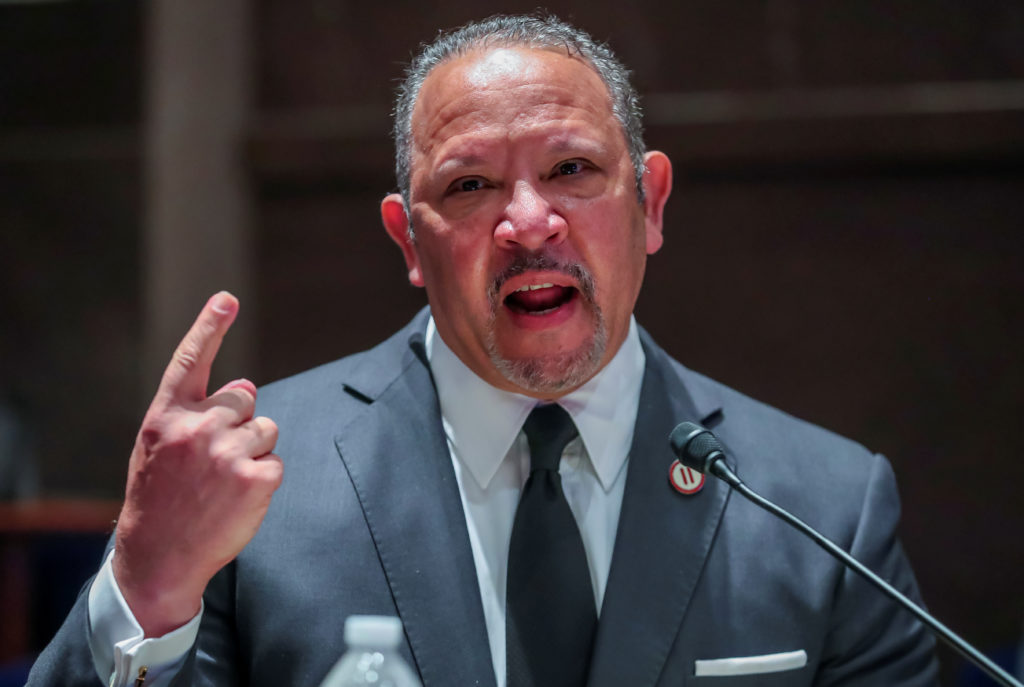
The National Urban League released its 50th annual "State of Black America" report on Thursday, asserting that recent federal policy changes have negatively affected the economic and political prospects of Black Americans. The civil rights organization stated that the current administration's approach to civil rights and economic equity represents a departure from the progress made during the Civil Rights Movement. The report outlines specific concerns regarding the restructuring of federal agencies and the rollback of diversity initiatives in both government and the private sector.
The report follows a period of significant federal investment under the previous administration, which the Urban League credited with supporting minority-owned small businesses and infrastructure. The organization noted that while the political landscape has shifted, Black communities have historically navigated periods of legal and economic challenge. The document serves as both a statistical summary of racial disparities and a strategic manual for civil rights advocacy groups seeking to navigate the current policy environment.
The 2026 report includes contributions from several high-profile Democratic officials, including Maryland Governor Wes Moore and U.S. Senators Raphael Warnock (D-GA), Angela Alsobrooks (D-MD), and Lisa Blunt Rochester (D-DE). These contributors focused on the racial wealth gap and the necessity of private-sector involvement in economic advancement. The report specifically criticizes the Trump administration's focus on the Safeguard American Voter Eligibility Act and the overhaul of the Justice Department’s Civil Rights Division, characterizing these actions as a reversal of long-standing civil rights protections.
The scale of this shift is reflected in the report's focus on private-sector diversity, equity, and inclusion (DEI) programs. If corporate entities continue to "retreat" from these initiatives as the report suggests, workers may notice changes in hiring practices and internal promotion tracks. The knock-on effects could extend to the broader American economy; the report argues that when the economic prospects of Black communities are diminished, it serves as a "warning sign" for the prosperity of all working-class and poor Americans. The documented policy shifts also set a precedent for how future administrations might interpret the role of federal agencies in social engineering or economic correction.
What happens next depends on the "legal resistance" mentioned in the report, as civil rights groups attempt to convert courtroom victories into permanent policy. The Trump administration has not yet provided a detailed rebuttal to the specific claims in the 50th edition. Legislative focus remains on the Safeguard American Voter Eligibility Act, which will likely face further debate and legal challenges. Moving forward, the National Urban League has called for the creation of an economic infrastructure that is less dependent on the shifting priorities of federal administrations.