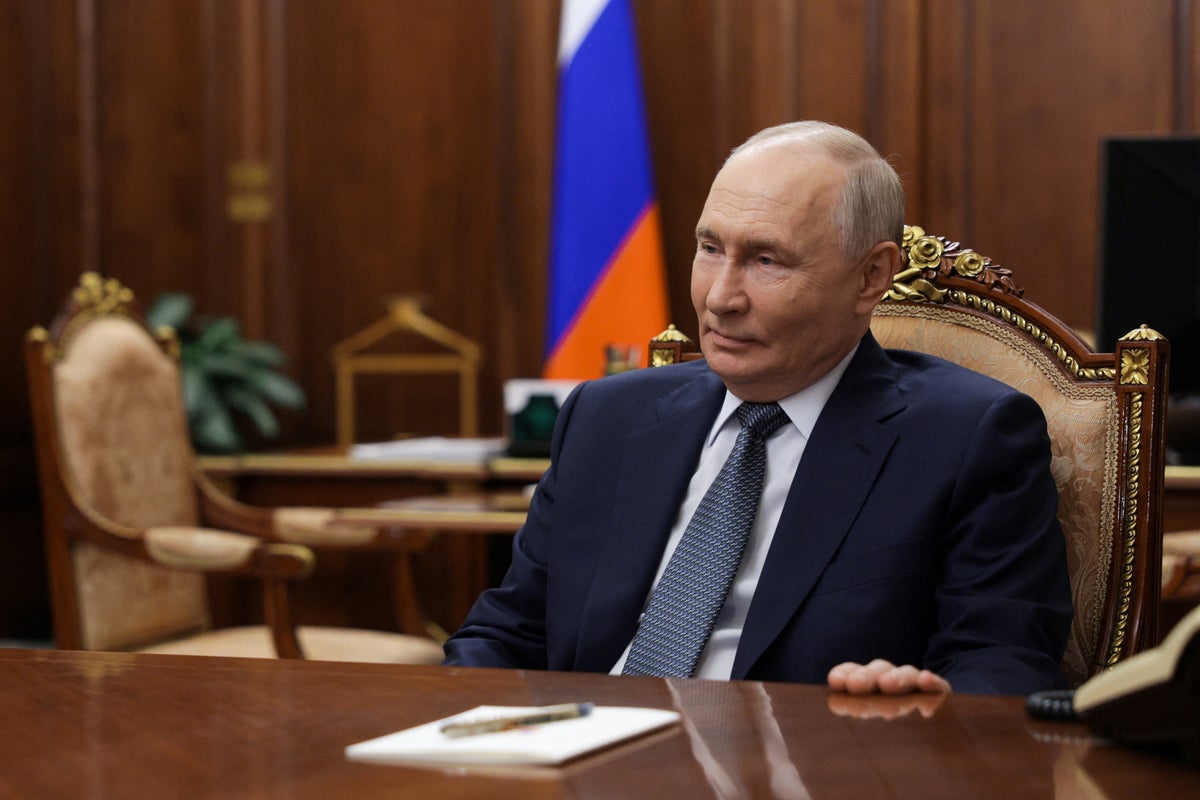
Air Chief Marshal Sir John Stringer, NATO’s deputy supreme allied commander for Europe, stated on Tuesday, September 22, 2026, that Russian President Vladimir Putin is becoming increasingly open to risk and seeking to divide Western allies as the war in Ukraine continues. Speaking at a security conference in Estonia, Stringer noted that the Russian leader appears to be testing the alliance's collective defense pact through covert operations. The warnings come as European leaders report a rise in incidents involving sabotage, espionage, and drone incursions across the continent.
The current security environment follows years of tension between Russia and NATO members, exacerbated by the 2022 invasion of Ukraine. While some European leaders have expressed concern that Moscow is planning bolder attacks to test NATO's Article 5 defense commitments, other officials have urged a measured response. A British defense official, speaking anonymously, stated that the U.K. assessment suggests Putin is not seeking a direct military confrontation with NATO at this time.
Data tracking these incidents shows a sharp increase in activity; according to an Associated Press map, recorded incidents rose from 59 in March 2025 to more than 210 recently. These events include arson, vandalism, and cyberattacks, such as an August plot at Leipzig airport involving a drone with explosives and a disrupted sabotage attempt at a U.K. drone factory. Stringer noted that while some drone incursions into NATO airspace may be accidental results of GPS jamming, the distinction between negligence and deliberate targeting is narrowing.
The scale of the conflict is reflected in the reported casualty figures and the geographical reach of sabotage efforts. Air Chief Marshall Sir Richard Knighton stated that Russian forces have suffered more than 500,000 deaths during the invasion. For the average citizen in Europe, these developments may lead to heightened security at public facilities and potential disruptions to digital services due to cyberattacks. While Estonian Prime Minister Kristen Michal described a conventional military attack on Europe as currently improbable because Russian forces are occupied in Ukraine, she indicated that covert "malign activity" is likely to persist until Moscow alters its military goals.
The situation sets a precedent for how NATO handles "gray zone" tactics—actions that fall below the threshold of open warfare but cause domestic disruption. These covert operations are often difficult to attribute, as Russian intelligence services frequently recruit saboteurs online who may not know their employer's identity. Looking ahead, Baltic leaders, including Latvian President Edgars Rinkevics, predict that infrastructure attacks may increase through the winter months, with no significant diplomatic progress expected until spring 2027. Individual governments, such as France, are currently developing specific protection plans for critical infrastructure against drone and cyber threats.