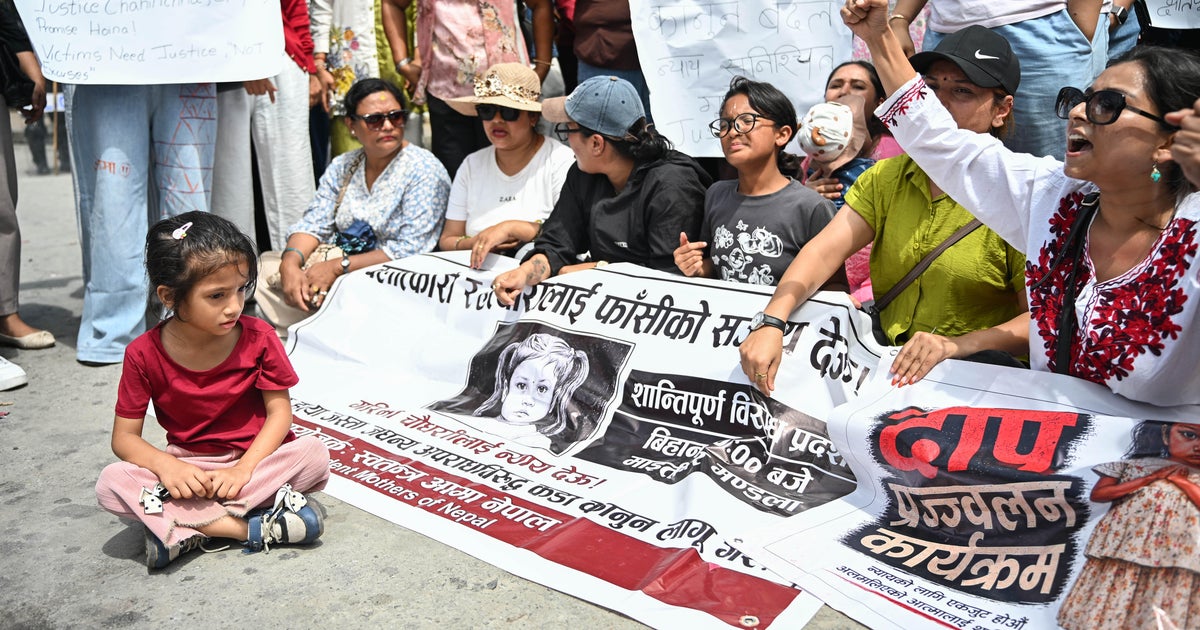
Protests have spread across Nepal following the rape and murder of a 3-year-old girl, with demonstrators and lawmakers calling for the institution of the death penalty. The victim went missing from her home in Bara on August 16, and her body was discovered three days later in an abandoned house. Police have arrested nine suspects in connection with the case, including a bus driver and a 16-year-old bus worker.
The incident has triggered several days of demonstrations, including the blocking of highways around Kathmandu. Protesters have criticized the government's response time, alleging that police did not act urgently when the family first reported the child missing. The victim's father stated that police required a formal complaint naming specific suspects before proceeding with a search, which the family eventually conducted themselves.
Current Nepalese law mandates a sentence of 16 to 20 years for the rape of a child under 10, with the possibility of life imprisonment. In cases involving both rape and murder, the mandatory sentence is life imprisonment. Because Nepal’s constitution specifically bars capital punishment, Law Minister Sobita Gautam and Home Minister Sudan Gurung have stated that implementing the death penalty would require a constitutional amendment.
The scale of the proposed changes would impact the entire national judicial system and its 30 million residents. If lawmakers like Prakash Pathak and Ashika Tamang successfully advance their proposals, defendants convicted of certain crimes could face hanging or physical amputation. Currently, those convicted of raping a minor face a minimum of 16 years in prison, but these protesters are demanding a fundamental shift in how the state handles violent crime against children.
The controversy also serves as a test for the administration of Prime Minister Balen Shah, who took office following youth-led protests in 2025. Citizens are monitoring whether the government will follow through on promises to review laws and improve police responsiveness. While government ministers met with the family over the weekend to promise a memorial and a legal review, opposition lawmakers argue that such gestures do not address the systemic lack of trust in state justice. Further legislative discussions regarding these penalties are expected following the recent debates in parliament.