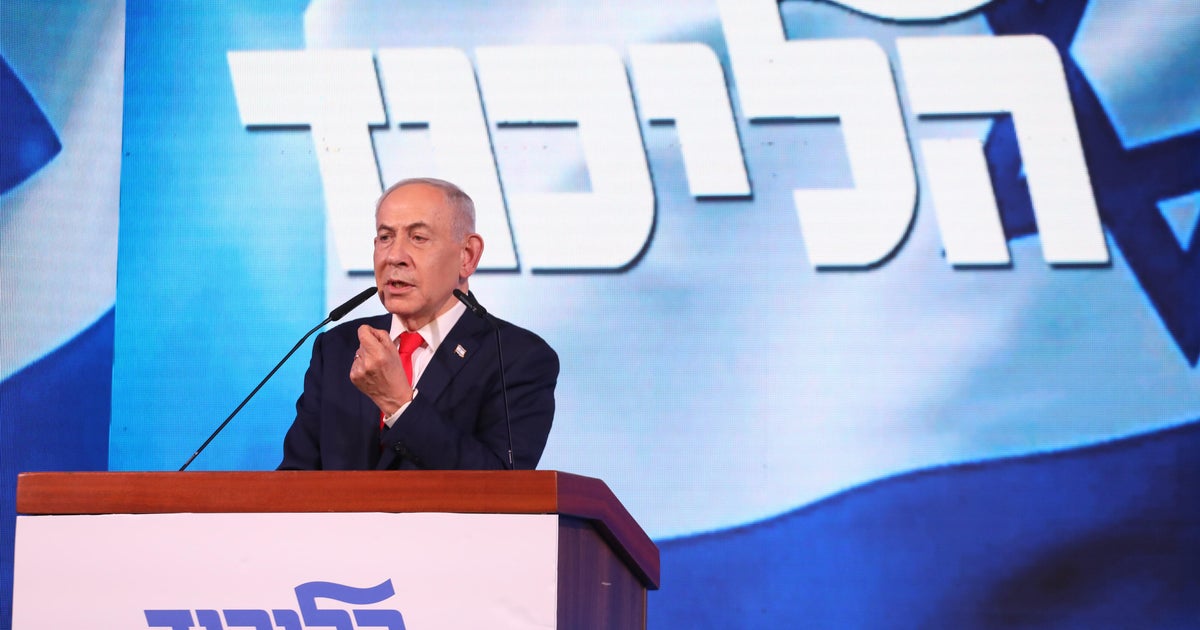
Israeli Prime Minister Benjamin Netanyahu’s Likud party stated on Thursday that the country’s recent parliamentary election was "stolen" by Arab-majority parties. The claims were made as final results confirmed Netanyahu’s right-wing bloc lost its majority in the Knesset, Israel’s parliament, securing 53 seats compared to a peak of 68 in the previous term. The main opposition bloc won 48 seats, while Arab-led parties secured a record 19 seats.
The Likud party alleged that the election involved foreign funding, bribery, and the use of prohibited software to mobilize voters. A statement by the party described the results as an "attack on democracy" intended to lead to a "foreign takeover" of the Knesset. Netanyahu remains in office as a caretaker prime minister while coalition negotiations proceed.
Israel's internal security agency, the Shin Bet, has opened an investigation into potential foreign influence. Central Elections Committee head Noam Sohlberg referred the matter to the agency after citing "serious suspicions" based on classified intelligence, though he noted he could not verify the claims. Israeli media reported the investigation is examining whether Qatar provided funds to Arab parties to increase voter turnout. Qatar’s foreign ministry has denied the allegations, calling them a "scapegoat for political failures."
Opposition leaders, including Gadi Eisenkot of the Yashar party, accused Netanyahu of using the allegations to delegitimize the election results. Eisenkot stated on Thursday that the Likud party is conducting an "influence operation" intended to delay the publication of the results. Acting Director-General of the Central Elections Committee Din Livne stated in a letter that there was "no basis" for claims of a systematic compromise of electoral integrity.
For Israeli citizens, the immediate impact is a state of political uncertainty regarding who will lead the national government for the 26th Knesset. Until a new coalition is formed, Netanyahu continues as caretaker prime minister, but he lacks a legislative majority to pass new laws without opposition support. If negotiations between the various blocs fail to produce a government, the country may be required to hold another national election, extending the period of interim governance.
The next steps include the certification of results and their submission to President Isaac Herzog, which is scheduled for Wednesday, Nov. 4. The Shin Bet has been requested to provide its findings regarding the interference allegations within one week. Once the results are certified and the new Knesset is sworn in, the process of formal coalition building will begin. If a new government is not established through these negotiations, the interim status quo will persist until a new vote is held.